
Ibuprofen can relieve hemorrhoid pain and, because it is an anti-inflammatory, may take some of the edge off swelling and soreness. But it is an NSAID that can increase bleeding and irritate the stomach, which matters if your hemorrhoids are already bleeding, so many people are better served by acetaminophen or should check with a pharmacist first.
Can Ibuprofen Help With Hemorrhoids?
Ibuprofen for hemorrhoids is a reasonable thing to consider, since it does something acetaminophen does not: it fights inflammation as well as pain. But it also carries a risk that applies in a very specific way to a condition that can itself involve bleeding, and that connection is the part most articles never make.
At South Fork Pharmacy in Moorefield, WV, we talk through pain-reliever choices with people every day, and ibuprofen deserves more nuance than “take it with food.” This guide explains how ibuprofen differs from acetaminophen, why that may matter for swelling, how to use it safely, the bleeding caution that is specific to hemorrhoids, and when acetaminophen is the better choice.
What Ibuprofen Does Differently From Acetaminophen
Ibuprofen belongs to a group of medicines called NSAIDs, or nonsteroidal anti-inflammatory drugs. Like acetaminophen, it relieves pain and reduces fever. Unlike acetaminophen, it also reduces inflammation, because it blocks enzymes called COX-1 and COX-2 that the body uses to make prostaglandins, chemicals that drive pain, swelling, and inflammation.
That extra action is why ibuprofen is often chosen for problems with an inflammatory component, such as sprains, dental pain, and menstrual cramps. It is also why the same enzyme blocking affects the stomach lining and the blood’s ability to clot, which is where the cautions come from.
Why That Matters For Hemorrhoid Swelling
A hemorrhoid flare often involves swelling and inflammation of the tissue, and that inflammation contributes to the pain, so a medicine that reduces both has a logical appeal. Some people find that ibuprofen takes the edge off the aching, throbbing discomfort of a flare more effectively than acetaminophen does.
It is fair to be honest about the limits of what is known. There is little strong research specifically testing oral ibuprofen for hemorrhoids, so this reasoning is based on how the medicine works rather than on hemorrhoid-specific trials. It also does not treat the underlying cause, which is usually pressure from straining, and it does not reduce swelling the way a topical vasoconstrictor may. Think of it as a pain and inflammation reliever, not a hemorrhoid treatment.
How To Use It Safely
Follow the label on your product. Over-the-counter ibuprofen is commonly sold as 200 mg tablets, and the usual adult label directs one tablet every four to six hours while symptoms last, with the option of two if one does not work, and a maximum daily amount stated on the package. Use the smallest amount that controls your pain for the shortest time, and do not exceed the label limit.
Take it with food or milk to reduce the chance of stomach upset, and with a full glass of water. Do not combine it with other NSAIDs, including naproxen, aspirin at pain-relief doses, and some cold and flu products that contain ibuprofen or similar ingredients. Most labels advise stopping and checking with a doctor if pain lasts more than ten days, or if it gets worse.
Ibuprofen is not appropriate for everyone. People with kidney disease, heart disease, high blood pressure, a history of stomach ulcers or bleeding, or asthma triggered by NSAIDs should ask before using it. It should also be avoided in the later stages of pregnancy, and pregnant people should check with a doctor first. Older adults are more sensitive to its side effects.
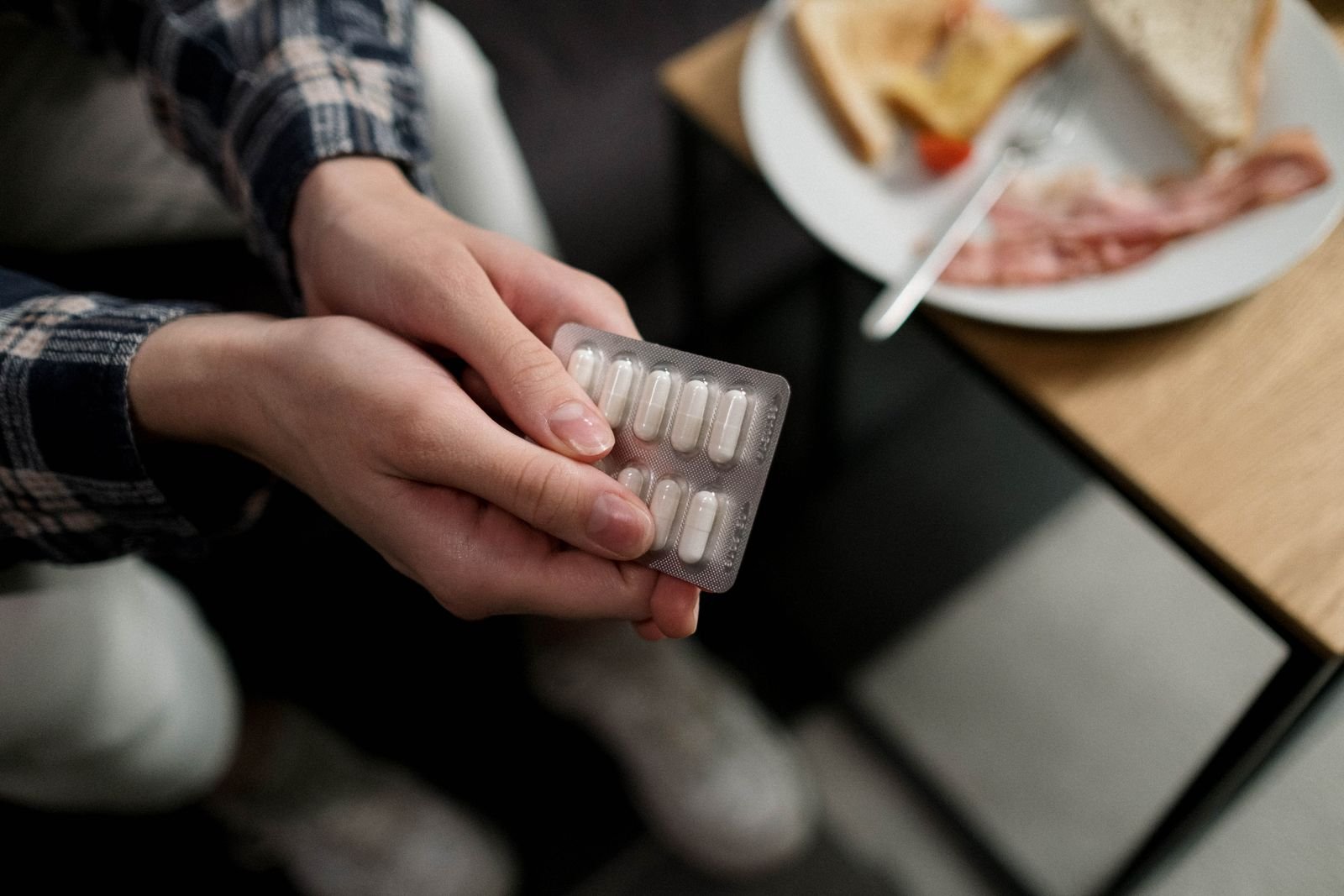
The NSAID Bleeding Warning Most Ibuprofen Articles Skip
Generic ibuprofen articles mention bleeding risk as a boilerplate line and move on. For someone with hemorrhoids, it deserves more attention, because hemorrhoids are one of the most common sources of rectal bleeding, and NSAIDs make bleeding more likely.
Ibuprofen interferes with platelets, the blood cells that help form clots. That effect is temporary and modest in most people, but it can increase bleeding from any fragile site, including irritated hemorrhoidal tissue. Studies have linked NSAID use to a higher risk of gastrointestinal bleeding in general, and for someone who already sees blood on toilet paper or in the bowl, adding a medicine that promotes bleeding is a concern worth taking seriously.
There is a second problem. Because ibuprofen can cause ulcers and bleeding higher up in the stomach and intestines, blood from that source can show up in the stool as well, and it can look different, often darker or tarry. That can confuse the picture and delay recognition of a more serious problem. Any black, tarry stools, vomiting blood, or heavy bleeding needs urgent care, and if you think you may be having a medical emergency, call 911.
It also helps to know that ibuprofen is not the only NSAID to think about. Naproxen, aspirin taken for pain, and some combination products carry the same kind of bleeding and stomach concerns, and taking two of them at once multiplies the risk. Reading the active ingredients is the simplest safeguard. If a product says ibuprofen, naproxen, aspirin, ketoprofen, or diclofenac, it is an NSAID, and it should not be stacked with another.
The Bleeding Risk That Matters Specifically Here
Put simply, if your hemorrhoids are bleeding, ibuprofen is not usually the first choice. The risk is higher if you are older, have had a stomach ulcer, drink alcohol regularly, or take other medicines that affect bleeding, including blood thinners such as warfarin, apixaban, or rivaroxaban, aspirin, steroids, or certain antidepressants. Combining ibuprofen with any of these raises the chance of a bleed.
If you take a blood thinner or aspirin for your heart, do not add ibuprofen without asking your doctor or pharmacist. Never start, stop, or change a prescription because of something you read. Ask your doctor. And if you notice bleeding that is heavy, that does not stop, or that comes with dizziness or weakness, seek medical care right away.
None of this means ibuprofen is dangerous for everyone with hemorrhoids. Many people take it without problems. It means the decision is worth a quick conversation with a pharmacist who knows your medications and health history, especially if bleeding is part of your symptoms.

Hydration matters here too. NSAIDs are processed by the kidneys, and dehydration raises the chance of kidney strain, particularly in older adults. Since drinking enough fluids is also one of the best things you can do to keep stools soft and reduce straining, keeping up with water does double duty during a flare.
When To Choose Acetaminophen Instead
Acetaminophen is generally the safer choice when bleeding is present, when you take blood thinners, when you have a history of ulcers or kidney problems, or when a doctor has told you to avoid NSAIDs. It does not affect platelets or irritate the stomach lining in the same way, so it does not carry the same bleeding concerns. Our article on acetaminophen for hemorrhoids explains its own limits and safety points, including the liver risk from taking too much.
For many people, the practical plan is to start with the safest option for their situation, use topical products for local symptoms, and keep oral pain relievers to the shortest time needed. If you find yourself reaching for pain relievers day after day, that is the signal to have the area looked at, not to switch brands.
Whichever you use, pair it with the basics that address the cause. Soft stools from fiber and fluids, less straining, gentle cleaning, and warm sitz baths help a flare settle, and topical products can address itching, burning, and irritation at the site. If pain has not improved in about a week, or if you have bleeding, severe pain, a hard lump, or fever, see a doctor. You can reach us through our pharmacy services page, and our medication information section has more reading.
Wondering whether ibuprofen or acetaminophen is right for you? Stop by South Fork Pharmacy at 732 N Main St in Moorefield and ask our pharmacist to review your medications and any bleeding before you choose.
Frequently Asked Questions
Is ibuprofen good for hemorrhoid pain?
It can help with pain and inflammation, but it is not right for everyone. A pharmacist at South Fork Pharmacy can help you decide.
Can ibuprofen make hemorrhoid bleeding worse?
It can increase bleeding tendency, so it is usually avoided when hemorrhoids are actively bleeding. Ask a pharmacist or doctor first.
Should I take ibuprofen with food?
Yes, taking it with food or milk helps reduce stomach upset.
Can I take ibuprofen if I am on blood thinners?
Do not add it without asking your doctor or pharmacist, since the combination raises the risk of bleeding.
Is acetaminophen safer than ibuprofen for hemorrhoids?
It avoids the bleeding and stomach concerns of NSAIDs, but it does not reduce inflammation and has its own liver caution with overuse.
When should I see a doctor?
See a doctor for heavy bleeding, black stools, severe pain, a hard lump, fever, or pain that has not improved after about a week.
Disclaimer: The information in this article is for educational purposes only and is not a substitute for individualized medical advice, diagnosis, or treatment from a pharmacist or doctor. NSAIDs such as ibuprofen can cause serious stomach bleeding and are not suitable for everyone. If you think you may be experiencing a medical emergency, call 911 immediately. South Fork Pharmacy, Moorefield, West Virginia.