
Acetaminophen can ease the general pain of a hemorrhoid flare, but it does not reduce swelling, itching, or inflammation at the source. It is a reasonable pain reliever for many adults when used exactly as labeled, and the biggest risk is accidentally taking too much by combining it with other products that also contain acetaminophen.
Can Acetaminophen Help With Hemorrhoids?
Acetaminophen for hemorrhoids is a common question from people who want a pain reliever they can take by mouth while a flare settles down. It is a fair thing to ask, and the answer has two halves: yes, it can take the edge off the pain, and no, it does not treat the hemorrhoid itself.
At South Fork Pharmacy in Moorefield, WV, we help people sort through pain-reliever choices every day, and acetaminophen comes with an important safety point that many articles skip. This guide explains what it does and does not do, how it differs from a topical treatment, how to use it safely, the hidden way people end up taking too much, and how it can be paired with a cream or ointment.
What Acetaminophen Actually Does For Hemorrhoid Pain
Acetaminophen is a general pain reliever and fever reducer. It works in the brain and nervous system to change how the body perceives pain, which is why it can help with headaches, aches, and, for some people, the deep soreness that comes with a hemorrhoid flare. It does not act on the swollen tissue itself.
It is also not an anti-inflammatory. Unlike ibuprofen and other NSAIDs, acetaminophen has little effect on inflammation, so it will not reduce the swelling or redness that often accompanies a flare. It is not part of the topical over-the-counter hemorrhoid monograph either, which means no hemorrhoid cream or ointment relies on it. Its role is limited to the pain sensation, and that limit is worth understanding before you count on it.
For many people with mild to moderate pain, that can be enough to get through the day or sleep through the night. For a flare driven mainly by swelling or itching, it may feel like it does not do much, because it does not touch those symptoms.
In practice, most people notice an effect within about thirty to sixty minutes, and the relief usually lasts four to six hours, which is why labels space doses that far apart. Taking it on a schedule during a bad flare, within the label limits, can feel better than waiting until the pain peaks, but that is not a reason to exceed the daily maximum. If the recommended dose does not control your pain, more medicine is not the answer. That is the moment to check in with a pharmacist or doctor.
Why It’s Different From A Topical Treatment
A hemorrhoid cream, ointment, or suppository works where the problem is. It can numb the skin, protect irritated tissue, calm itching, or temporarily shrink swelling. Acetaminophen travels through the bloodstream and works throughout the body, so it addresses the feeling of pain rather than what is causing it locally.
That difference shapes what to expect. A numbing cream can quiet burning at the spot within minutes to an hour. A pill takes longer to start and produces a more general effect. Neither will treat the underlying cause, which is usually pressure from straining and constipation, so the basics still matter: soft stools, fiber and fluids, gentle cleaning, and warm sitz baths.
Because acetaminophen does not address itching or swelling, someone whose main symptom is one of those may do better with a topical product. A pharmacist can help you decide which type of relief fits the symptom you have.
How To Use It Safely
Use the product exactly as the label directs, and do not go above the maximum for a day. Doses and limits differ by product and strength, so read the Drug Facts panel rather than relying on a number you remember. In general, adults take a labeled dose at labeled intervals, and the label states a daily maximum that should never be exceeded. Some labels are more conservative than others, and manufacturers have lowered the maximum on some higher-strength products in recent years.
Use the lowest dose that controls your pain, and do not use it for longer than the label allows without checking with a doctor. Most labels advise checking in if pain lasts more than ten days, or sooner if it worsens. If you drink alcohol regularly, have liver disease, or take blood thinners such as warfarin, ask a pharmacist or doctor before using it, because regular acetaminophen use can affect some people’s response to warfarin.
Keep it out of reach of children, and do not give adult products to children. Dosing for children is based on weight and age, and a pharmacist can help.
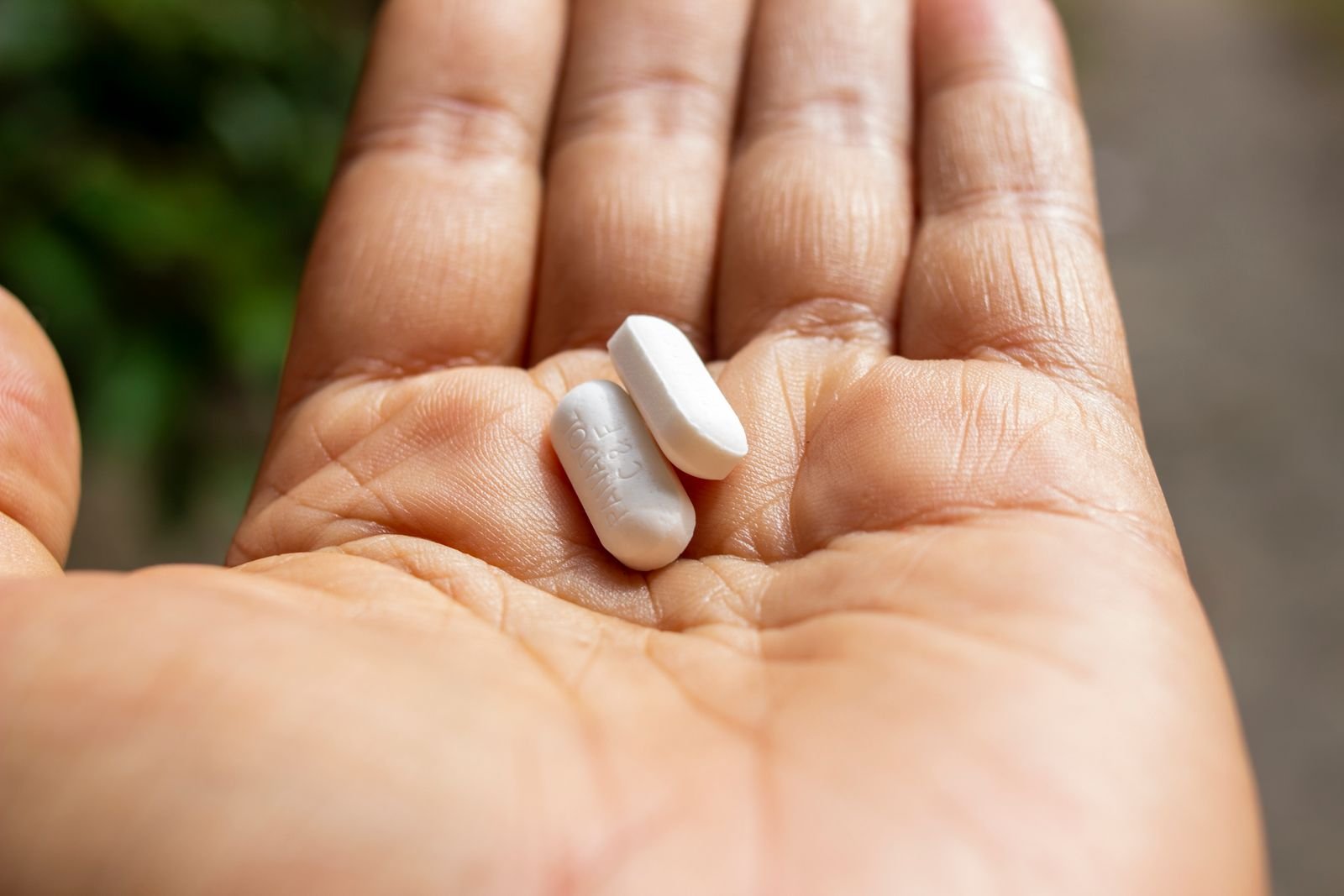
A helpful habit is to keep a small note on your phone or the fridge during a flare, listing what you took and when. It sounds fussy, but when you are uncomfortable, tired, and possibly also fighting a cold, it is surprisingly easy to lose track of whether the last dose was three hours ago or five. A written record, even a simple one, removes the guesswork and keeps you inside the label limits.
The Hidden Way People Take Too Much
Most articles mention a daily limit and stop there. The more common problem is not someone deliberately taking extra tablets. It is someone who takes acetaminophen from two or three products in the same day without realizing they share the ingredient.
Acetaminophen is in far more products than most people expect. Many multi-symptom cold and flu remedies, nighttime cold medicines, sinus products, some headache and migraine formulas, and certain sleep aids all contain it, often abbreviated as APAP on the label. Some prescription pain medications combine it with an opioid, and those combination pills count toward your daily total as well. Someone with a cold who also takes a pain reliever for a hemorrhoid flare can end up over the limit without ever taking an extra dose of any single product.
The habit that prevents this is simple. Before you take anything, check the active ingredients on every product you use that day, and add up the acetaminophen. If you are not sure, ask a pharmacist to look at everything with you. It takes a minute and can prevent a serious problem.
The Liver Risk With Excess Use
Taken as directed, acetaminophen is safe for most people. Taken in excess, it can seriously damage the liver, and acetaminophen overdose is one of the leading causes of acute liver failure. The margin between a safe dose and a harmful one is smaller than many people assume, and the risk is higher with regular alcohol use, an existing liver condition, fasting or poor nutrition, and taking it over several days at high doses.
Early symptoms of an overdose can be mild or absent at first, such as nausea, vomiting, or tiredness, which is why it can be missed. If you think you or someone else has taken too much, do not wait for symptoms. Call Poison Control at 1-800-222-1222 or seek emergency care right away. If you think you may be having a medical emergency, call 911.
Never use acetaminophen as a way to push through severe or worsening pain. Pain that is not controlled at the labeled dose is a reason to talk to a doctor, not to take more.

Pairing It With A Topical Treatment
Combining an oral pain reliever with a topical treatment is a reasonable approach for many people. The pill takes the edge off general soreness, while a cream, ointment, or suppository handles what is happening at the site, whether that is itching, burning, or irritation. Because they act in different ways, they do not interfere with each other.
Check the topical product’s ingredients too. Most hemorrhoid creams do not contain acetaminophen, but you should still read the label, and if a numbing cream is doing most of the work, you may need less of the oral pain reliever. Avoid stacking multiple products with the same active ingredient.
Non-drug comfort measures pair well with both. Warm sitz baths for ten to fifteen minutes after bowel movements soothe many people, gentle cleaning with water is kinder than dry wiping, and softer stools from fiber and fluids reduce the straining that keeps a flare going. These steps add relief without adding any more medicine to your day.
Keep the time limits in mind. If pain has not improved in about a week, or if you have bleeding, severe pain, a hard lump, or fever, see a doctor. You can reach us through our pharmacy services page, and our medication information section has more reading. Never start, stop, or change a prescription because of an article. Ask your doctor or pharmacist.
Not sure how much acetaminophen you are getting across everything you take? Stop by South Fork Pharmacy at 732 N Main St in Moorefield and ask our pharmacist to add it up with you and suggest the safest way to manage pain.
Frequently Asked Questions
Does acetaminophen reduce hemorrhoid swelling?
No, it relieves pain but does not reduce swelling or inflammation. Topical products or other measures address swelling.
How much acetaminophen can I take in a day?
Follow the maximum printed on your package, and never exceed it. A pharmacist at South Fork Pharmacy can confirm the limit for your specific product.
Can I take acetaminophen with hemorrhoid cream?
Generally yes, since they act differently. Check that no product you use contains extra acetaminophen.
Which cold medicines contain acetaminophen?
Many multi-symptom cold and flu, nighttime, and sinus products do, often listed as APAP. Always check the active ingredients.
Is it safe to take acetaminophen if I drink alcohol?
Regular alcohol use raises the risk of liver injury, so ask a pharmacist or doctor before using it.
When should I see a doctor about hemorrhoid pain?
See a doctor for bleeding, severe pain, a hard lump, fever, or pain that has not improved after about a week.
Disclaimer: The information in this article is for educational purposes only and is not a substitute for individualized medical advice, diagnosis, or treatment from a pharmacist or doctor. Acetaminophen can cause serious liver damage if you take more than directed. If you think you may be experiencing a medical emergency, call 911 immediately. South Fork Pharmacy, Moorefield, West Virginia.