
Yes, moderate exercise can help hemorrhoids, mainly by keeping your bowels regular and reducing the constipation and straining that cause flares. Walking, swimming, and gentle yoga are good choices. During a flare, avoid heavy lifting and holding your breath while you strain, since that raises pressure on the area. Exercise will not cure hemorrhoids, but it supports healing and prevention.
Does Exercise Help Hemorrhoids?
Does exercise help hemorrhoids? For many people it does, though not because any particular move shrinks them. Exercise helps by keeping your bowels moving, which cuts down on the hard stools and straining behind most flares.
This guide explains how movement supports bowel health, which kinds of exercise suit people with hemorrhoids, how to avoid the breath-holding strain that makes things worse, and what to skip during a flare. It is practical advice from the pharmacists at South Fork Pharmacy in Moorefield, WV.
The Short Answer: Moderate Activity Can Help
Hemorrhoids flare when pressure builds in the veins around the anus. The biggest everyday source of that pressure is straining on the toilet, and the biggest cause of straining is constipation. Anything that keeps stools soft and regular helps, and regular moderate exercise is one of the more reliable ways to do that.
Exercise also helps by getting you out of the chair. Long hours of sitting put steady pressure on the area and are linked to hemorrhoid symptoms. Breaking up sitting time with movement relieves that pressure.
What exercise will not do is make an existing hemorrhoid disappear overnight. Think of it as one part of a plan alongside fiber, fluids, and good toilet habits. Over weeks, that combination may reduce how often flares happen and how bad they get.
The type and intensity matter. Gentle to moderate activity is generally helpful. Very heavy lifting or activities that put direct pressure on the area may make symptoms worse during a flare, which is why the details below are worth knowing.
Research on exercise and hemorrhoids specifically is limited. Most of the evidence comes from studies on exercise and constipation, plus what doctors see in practice. That is enough to say moderate activity is a sensible part of hemorrhoid care, but not enough to promise a particular result. Many people find their flares become less frequent once they are moving regularly, while others notice little change on their own and need to focus more on diet.
For older adults in particular, staying active can be one of the most useful habits for bowel health. Constipation becomes more common with age, partly because people tend to move less, drink less, and take more medicines that slow the bowels. Even modest daily activity can help counter that.
How Movement Supports Bowel Regularity
The intestines move stool along with waves of muscle contractions. Physical activity appears to stimulate those contractions and shorten the time it takes stool to pass through the colon. Research on exercise and constipation suggests that regular physical activity is linked to fewer constipation symptoms, though results vary between studies.
The faster stool moves, the less time the colon has to pull water out of it. That leaves stool softer and easier to pass, which means less straining. That is the main reason exercise helps hemorrhoids.
Exercise also helps indirectly. People who are active often eat more fiber and drink more water, both of which soften stools. Movement can improve blood flow in general, and maintaining a healthy weight reduces pressure in the abdomen and pelvis.
There is also a timing benefit. Many people notice that a morning walk or light activity after breakfast helps trigger a bowel movement. Working with that natural rhythm and going when you feel the urge, rather than holding it, makes bowel movements easier.
Best Types Of Exercise For People With Hemorrhoids
Walking is the top choice for most people. It is low impact, free, and easy to fit into a day, and it gets the bowels moving without putting pressure on the area. Around Moorefield, that might mean laps around the neighborhood, a walk on a quiet country road, or a few loops inside a store on a cold day.
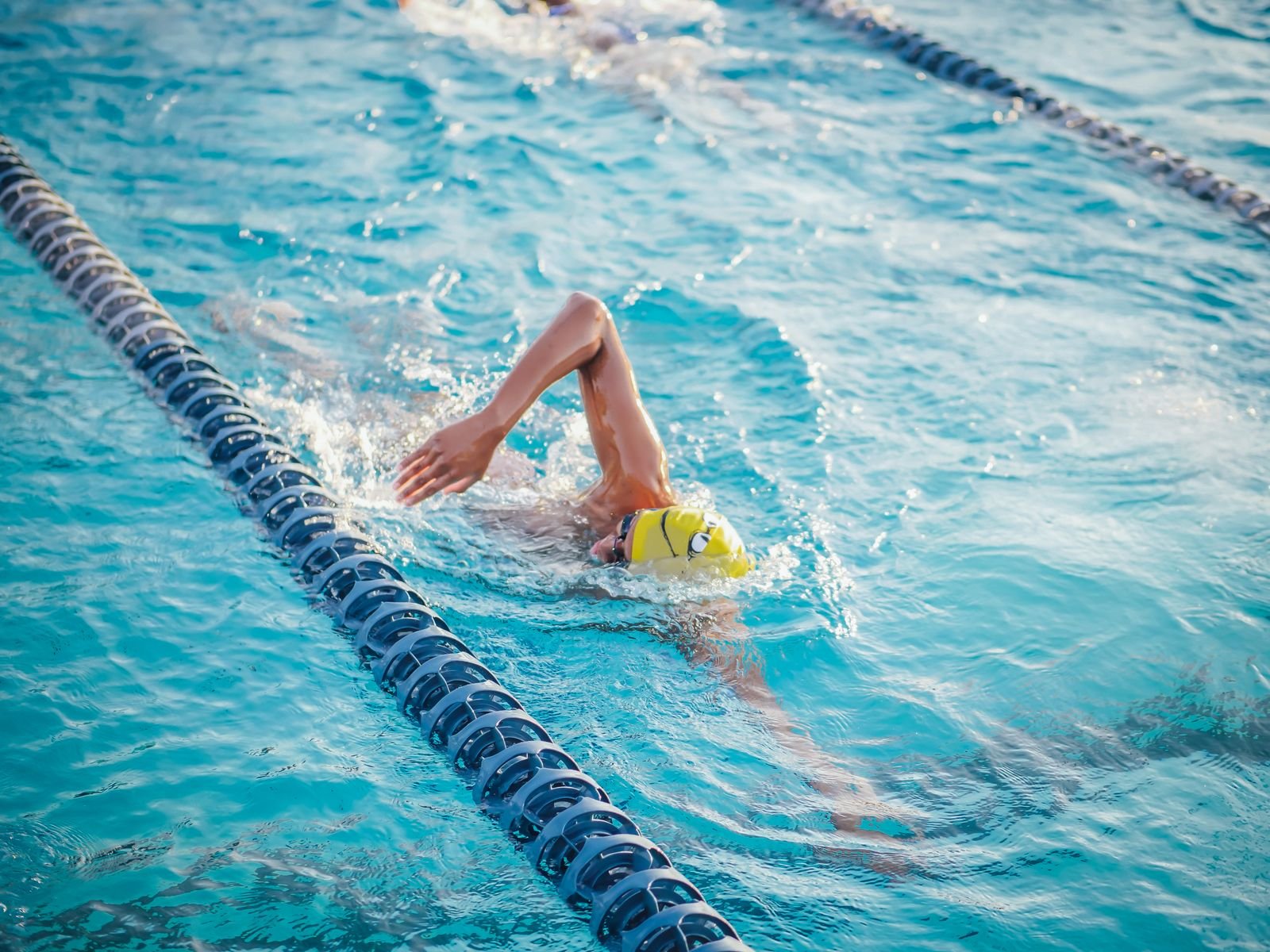
Swimming and water aerobics are excellent too. The water supports your body weight, there is no saddle or seat pressure, and the movement is gentle on joints. Many people with hemorrhoids find swimming especially comfortable during a flare.
Gentle yoga and stretching can help, particularly poses that encourage relaxation and gentle movement through the hips and belly. Skip or modify poses that involve long periods of deep squatting or heavy bearing down. Pelvic floor exercises may help with bowel control and the coordination of the muscles around the anus, though they are best learned from a physical therapist or your doctor’s guidance.
Light strength training is fine for most people as long as weights are moderate and you breathe steadily. Cycling can be fine for mild symptoms with a good saddle setup, which we cover in our article on cycling and piles. The best exercise is the one you will do regularly, so choose something you enjoy.
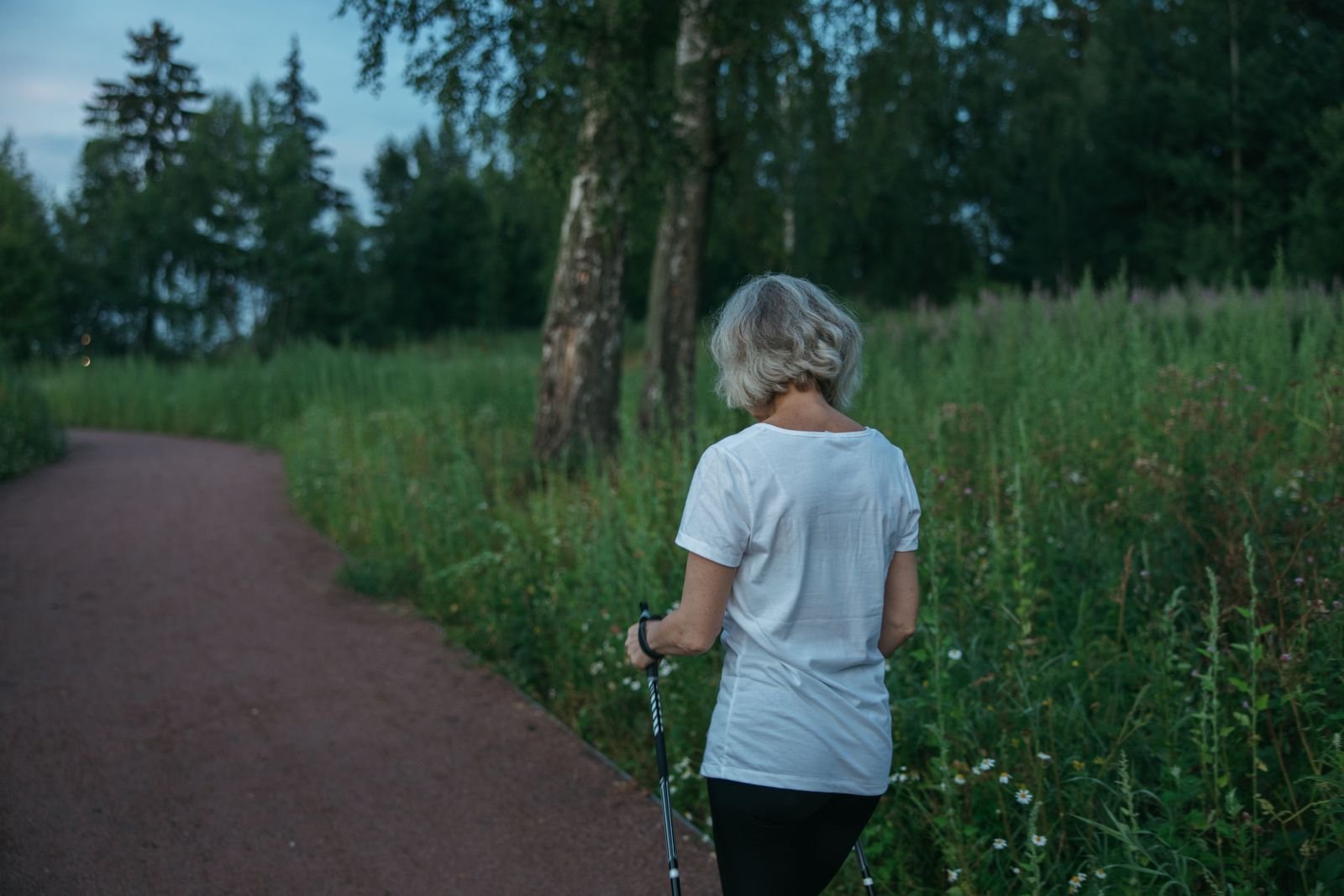
Breaking up long periods of sitting counts as exercise too, at least where hemorrhoids are concerned. If you work at a desk, drive for a living, or spend long evenings in a recliner, try standing up and moving for a few minutes every hour. A short walk to the mailbox, a few laps around the house, or a couple of minutes of stretching relieves pressure on the area and keeps the bowels moving. For people who cannot manage a formal workout, these small breaks may be one of the most useful changes they can make.
A Simple Walking Routine And How To Avoid Straining During Workouts
Most articles say “walk more” without saying how much, and they mention avoiding strain without explaining what that means in a workout. In South Fork Pharmacy’s experience, a concrete plan is much easier to stick with, so here is a simple starting point.
If you are not active now, start with 10 minutes of walking at a comfortable pace once or twice a day, for example after breakfast and after dinner. Each week, add five minutes to each walk until you reach about 30 minutes most days of the week. Walk at a pace where you can talk but feel slightly warm. Drink a glass of water before and after, and if a walk triggers the urge to go, go. If you have heart or lung problems, joint issues, or have been inactive for a long time, check with your doctor before starting.
The strain to avoid is called the Valsalva maneuver. It is when you take a deep breath, hold it, and bear down, the same thing many people do on the toilet when constipated. Lifters often do it instinctively during heavy lifts. It sharply raises pressure inside the abdomen and in the veins around the anus, which is exactly what you want to avoid with hemorrhoids.
To avoid it, breathe out during the hardest part of each movement, such as when you lift a weight or stand up from a squat, and breathe in as you return. Never hold your breath during a lift. Choose weights you can move for 10 to 15 smooth repetitions rather than one or two heavy ones. If you notice yourself grunting or bracing hard, lighten the load. The same breathing habit helps on the toilet: breathe out slowly rather than holding your breath and pushing.
Work and chores count too. Lifting feed bags, hay bales, firewood, or heavy boxes is common around Moorefield, and those jobs often involve the same breath-holding strain as heavy gym lifts. Use the same rule: breathe out as you lift, keep the load close to your body, lift with your legs, and split heavy loads into smaller ones when you can. During a flare, ask for help with the heaviest jobs.
Finally, plan around your workouts. Drink water before and after exercise, since dehydration from sweating can harden stools. Wear breathable, moisture-wicking clothing to keep the area dry, and change out of damp clothes promptly afterward to avoid irritation.
Exercises To Skip During A Flare
Heavy lifting is the main one. Squats, deadlifts, and leg presses with heavy weights raise abdominal pressure, especially if you hold your breath. During a flare, switch to lighter weights, bodyweight movements, or take a short break from lower-body lifting.
Long cycling sessions and horseback riding put direct pressure on the area and can create friction. During a painful flare, swap them for walking or swimming until symptoms settle, then return gradually.
Prolonged deep squatting, such as holding a squat position for long periods in some workout classes or yoga sequences, can increase pressure on the anal area. Short, controlled squats are generally fine, but long holds are best skipped while you are sore.
High-intensity workouts with lots of jumping and straining, like some boot camp classes, can also aggravate a flare for some people. Listen to your body. If an activity makes pain, swelling, or bleeding worse afterward, take a break from it and choose something gentler for a while.
When To Stop Self-Treating And Call A Doctor
Call your doctor if bleeding is heavy or keeps coming back, if your symptoms have not improved within about seven days of home care, or if pain is severe. A sudden, hard, very painful lump may be a clotted hemorrhoid and may need a doctor’s attention.
Also call if your bowel habits change for more than a few days, such as new constipation, diarrhea, or narrower stools, or if you notice dark, maroon, or black stool. If bleeding comes with dizziness or weakness, seek care the same day.
If constipation persists despite exercise, fiber, and fluids, a pharmacist can help you choose a stool softener or gentle laxative. Our pharmacy services team is here to help, and our medication information library has more on these products.
Need help keeping things regular alongside exercise? Visit South Fork Pharmacy, 732 N Main St in Moorefield, for advice on fiber supplements and stool softeners that fit your health and medicines.
Frequently Asked Questions
Can exercise make hemorrhoids worse?
Some types can, especially heavy lifting with breath-holding and long sessions on a bike seat. Gentle activities like walking and swimming are less likely to aggravate them.
How much walking helps hemorrhoids?
Many people aim for about 30 minutes most days, built up gradually. Even short walks after meals can help keep the bowels moving.
Is it okay to lift weights with hemorrhoids?
Moderate weights with steady breathing are usually fine. During a flare, lighten the load and never hold your breath while lifting.
Do Kegel exercises help hemorrhoids?
Pelvic floor exercises may help with bowel control, but evidence for hemorrhoids specifically is limited. A physical therapist or your doctor can show you how to do them correctly.
Will exercise get rid of my hemorrhoids?
Exercise alone usually will not make hemorrhoids disappear, but it can help prevent flares by reducing constipation. The pharmacists at South Fork Pharmacy can suggest other steps, like fiber, to go with it.
Should I stop exercising during a hemorrhoid flare?
Usually not completely. Switch to gentle activities like walking or swimming, and skip heavy lifting and long rides until symptoms settle.
Disclaimer: The information in this article is general information for educational purposes only and is not a substitute for individualized medical advice, diagnosis, or treatment from a pharmacist or doctor. Product formulations vary, so always follow the label on your package. If you think you may be experiencing a medical emergency, call 911 immediately. South Fork Pharmacy, Moorefield, West Virginia.