
Many people can keep cycling with mild hemorrhoids if they adjust their saddle, wear padded shorts, shorten rides, and stand up on the pedals now and then. Saddle pressure, friction, and sweat can irritate a flare, so take a break during a painful flare or when there is bleeding. There is little research on cycling and hemorrhoids, so let your symptoms guide you.
Cycling And Piles: Is It Safe To Ride With Hemorrhoids?
Cycling and piles do not have to be a choice between one or the other. Plenty of riders manage hemorrhoids without giving up the bike, but a sore flare and a narrow saddle are a bad combination, and a few smart changes make a real difference.
This guide explains how riding can affect hemorrhoids, which equipment changes are worth trying, and when to take time off. There is not much formal research on this topic, so the advice is practical rather than proven. Whether you ride the back roads around Moorefield, WV or spin indoors through the winter, the pharmacists at South Fork Pharmacy hope it helps you stay comfortable.
The Short Answer: It Depends On Your Symptoms
If your hemorrhoids are mild, causing occasional itching or a little tenderness, most people can keep riding with some adjustments. Regular exercise has real benefits for bowel regularity, and cycling is a good, low-impact way to get it.
If you are in the middle of a painful flare, especially with a hard, very tender lump that could be a clotted hemorrhoid, sitting on a saddle is likely to hurt and may aggravate the area. That is a good time to switch to walking or swimming for a week or two.
If you are bleeding, take a break and have the bleeding checked if it is new for you. Friction from riding can irritate swollen tissue and make bleeding worse, and any rectal bleeding that has not been evaluated should be seen by a doctor before you assume it is only hemorrhoids.
There is no strong evidence that cycling causes hemorrhoids. The concern is mostly that pressure and friction can make existing ones more uncomfortable. That means the decision is less about whether cycling is “safe” in general and more about how you feel on the bike right now.
Your type of riding matters too. A relaxed ride on a cruiser or an upright hybrid bike puts more weight on the sit bones and less on the soft tissue in front of them. A road bike with an aggressive, forward-leaning position shifts weight forward and can increase pressure in sensitive areas. Recumbent bikes, where you sit back in a seat with a backrest, spread your weight over a much larger area and are a good option for some people with hemorrhoids.
Stationary bikes at a gym often have wide, firm seats that do not match your body. If you ride indoors, consider swapping the seat or using padded shorts, and treat the session the same way you would an outdoor ride by standing regularly and keeping sessions shorter during a flare.
How Cycling Can Affect Hemorrhoids
The main issue is pressure. On a bike, a good share of your weight rests on a small area, and depending on your position and saddle, some of that pressure can fall on or near the perineum and the area around the anus. Long periods of sitting in one position can reduce blood flow out of the area and add to swelling.
Friction is the second issue. Every pedal stroke creates a small amount of rubbing between your body, your shorts, and the saddle. On healthy skin, that is not a problem. On skin already irritated by a hemorrhoid flare, it can cause chafing, burning, and soreness, and sometimes make an external hemorrhoid bleed.
Sweat and moisture add to it. Damp skin is softer and more easily irritated, and trapped moisture can make itching worse. Long rides in hot, humid weather, or staying in sweaty shorts after a ride, can turn mild irritation into a real flare.
Rough terrain can also play a part. Repeated jolts from rough roads or trails may irritate a sore area more than smooth pavement or an indoor trainer. On the positive side, riding helps keep the bowels moving, and anything that prevents constipation helps prevent the straining that drives most hemorrhoid flares.
Saddle, Padding And Fit Adjustments
Start with fit. A saddle that is too high makes your hips rock side to side, increasing friction. A saddle tilted nose up can press on the soft tissue in front of the sit bones. A level saddle at the right height, with your weight supported by your sit bones, is the foundation. A local bike shop can check your fit in a few minutes.
Padded cycling shorts, sometimes called bib shorts or chamois shorts, are worth trying if you do not already wear them. The pad cushions pressure points and reduces rubbing. Cycling shorts are designed to be worn without underwear, since seams in underwear can rub. Wash them after every ride and change out of them promptly afterward.
Reduce friction with a chamois cream or an anti-chafing balm on the skin around the saddle contact area. For skin near a hemorrhoid, a plain, fragrance-free barrier such as petrolatum or a zinc oxide ointment may be gentler than chamois creams that contain menthol, tea tree, or other cooling or fragrant ingredients, which can sting on irritated skin.
Change your position often. Stand on the pedals for 20 to 30 seconds every 10 minutes or so, shift slightly forward or back on the saddle, and take short breaks on longer rides. These small movements relieve pressure and let blood flow return to the area.
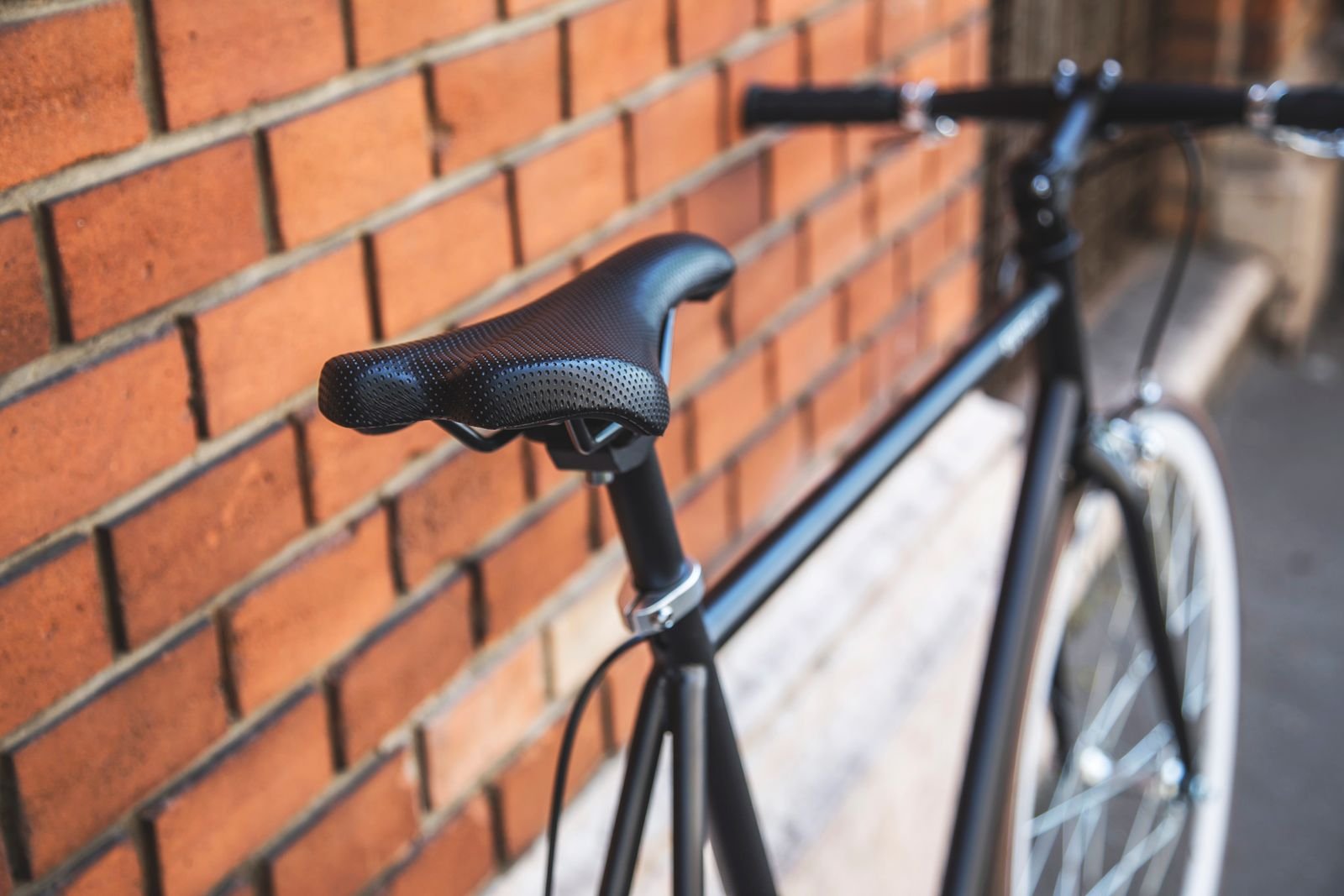
Saddle Width, Cutouts, Shorts And Ride Length: The Details That Matter
Most articles on cycling with hemorrhoids say “get a comfortable saddle” and leave it there. In South Fork Pharmacy’s experience, the details matter more than that advice suggests, and riders often buy the wrong thing first.
Saddle width should match your sit bones, not be as wide as possible. A saddle that is too narrow lets your weight fall on soft tissue between the sit bones. A saddle that is too wide and heavily padded can actually increase rubbing and press up into the area, which many experienced riders say makes hemorrhoids worse, not better. Many bike shops can measure sit bone width with a simple pad you sit on, and saddles are sold in widths to match.
Cutout or channel saddles have an open center or a groove down the middle. They were designed mainly to reduce pressure on the perineum and genital area, and some riders with hemorrhoids find them more comfortable because less of the saddle presses on the central area. Others find the edges of the cutout rub. It is worth trying one if your shop offers test saddles. Gel saddle covers are inexpensive but tend to bunch and shift, which can add friction.
Ride duration is the simplest lever. During a flare, many riders do better with shorter rides of 20 to 45 minutes than with one long ride. Indoor trainers let you stop easily, stand more often, and avoid rough roads. As symptoms settle, build back up gradually. If a certain length of ride reliably triggers soreness, that is useful information, and you can plan around it.
After-ride care matters just as much as what you do on the bike. Change out of sweaty shorts as soon as you can, rinse or gently clean the area with plain water or an unscented wipe, and pat it dry. A warm sitz bath after a long ride can ease soreness. If you use a medicated hemorrhoid cream, applying it after you clean up, rather than before you ride, keeps it from rubbing off on the saddle.
When To Take A Break From Riding
Take a break if sitting on the saddle causes sharp pain, if a hemorrhoid feels hard and very tender, or if you notice a new lump after riding. A thrombosed hemorrhoid in particular is usually too painful to ride on and needs a few days of rest and comfort care, or a doctor’s visit if the pain is severe.
Take a break if you have bleeding, especially if it is new, heavy, or keeps coming back. Bleeding should be checked by a doctor before you return to regular riding. Also rest if riding leaves the area raw, chafed, or burning for hours afterward.
A break does not have to mean no exercise. Walking, swimming, and gentle stretching keep your bowels moving without putting pressure on the area. Many riders use a flare as a chance to cross-train for a week or two.
When you return, start with short, easy rides, check how you feel afterward, and build gradually. Keep up the habits that help the most off the bike as well: plenty of fiber and water, no straining, and getting out of damp shorts quickly.
When To Stop Self-Treating And Call A Doctor
Call your doctor if bleeding is heavy or keeps coming back, if symptoms have not improved within about seven days, or if pain is severe. A sudden, hard, very painful lump may be a clotted hemorrhoid, and a doctor may be able to bring faster relief if seen early.
Also call if you notice changes in bowel habits that last more than a few days, or dark, maroon, or black stool. Numbness in the genital area, which some riders notice from saddle pressure, is a separate issue, but if it does not go away after riding, mention it to your doctor too. If bleeding comes with dizziness or weakness, seek care the same day.
Our pharmacy services team can talk through barrier creams and comfort products, and our medication information library has more detail on OTC hemorrhoid treatments.
Want to keep riding comfortably? Ask the pharmacists at South Fork Pharmacy, 732 N Main St in Moorefield, about fragrance-free barrier creams, witch hazel pads, and other comfort products that suit cyclists.
Frequently Asked Questions
Can cycling cause hemorrhoids?
There is no strong evidence that cycling causes hemorrhoids. It can irritate existing ones through pressure and friction, but the exercise itself helps prevent constipation.
Is a wider, softer saddle better for piles?
Not always. A saddle that matches your sit bone width is usually better than a very wide, heavily padded one, which can increase rubbing.
Should I wear underwear under cycling shorts?
Cycling shorts are designed to be worn without underwear, since seams can rub. Wash the shorts after every ride and change out of them promptly.
Can I ride with a thrombosed hemorrhoid?
Most people find it too painful and better to rest for a few days. See a doctor if the pain is severe.
What cream should I use for cycling with hemorrhoids?
A plain, fragrance-free barrier such as petrolatum or zinc oxide is often gentler than chamois creams with menthol or tea tree. The pharmacists at South Fork Pharmacy can suggest options that fit your skin.
Is an indoor bike better than riding outside?
During a flare, an indoor bike can be easier because you avoid rough roads and can stop or stand whenever you like. Keep sessions short and build back up gradually.
Disclaimer: The information in this article is general information for educational purposes only and is not a substitute for individualized medical advice, diagnosis, or treatment from a pharmacist or doctor. Product formulations vary, so always follow the label on your package. If you think you may be experiencing a medical emergency, call 911 immediately. South Fork Pharmacy, Moorefield, West Virginia.