
Quick Answer: SnoreRx is an FDA-cleared mandibular advancement device, a boil-and-bite mouthpiece, not a medication, that gently holds the lower jaw forward during sleep to help keep the airway open and reduce snoring. It’s approved for simple snoring, not for diagnosing or treating sleep apnea. If you snore loudly and also feel exhausted during the day, that’s worth a conversation with a doctor before trying any mouthpiece.
SnoreRx Review: Does This Mouthpiece Actually Stop Snoring?
Snoring is one of those problems that’s usually harder on the person next to you than the person doing it. Sleeping in separate rooms, elbowing a partner awake, or just quietly dreading bedtime because of the noise are all common enough that anti-snoring mouthpieces have become a genuinely popular category, and SnoreRx is one of the more talked-about names in it.
This article is a bit different from our usual medication guides, since SnoreRx is a device, not a drug. It covers how it works, what it’s actually cleared to do, and where its limits are. If you’re not sure whether a mouthpiece or a medical evaluation is the right next step, South Fork Pharmacy in Moorefield can help point you in the right direction.
What Is SnoreRx and What Is It Used For?
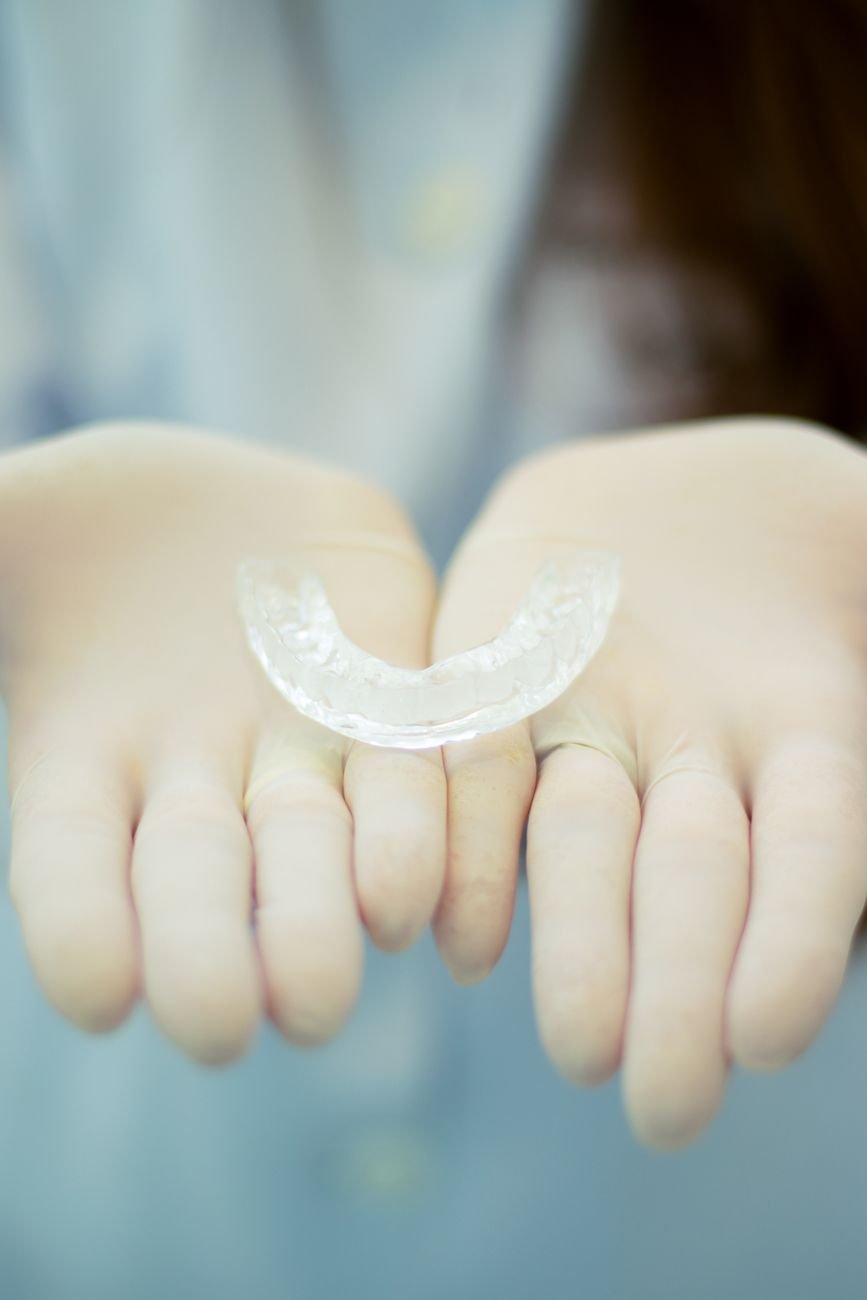
SnoreRx is an FDA-cleared, over-the-counter mandibular advancement device, a type of mouthpiece designed to reduce snoring by repositioning the lower jaw slightly forward during sleep. It’s intended for simple snoring in adults. It is not cleared, marketed, or intended to diagnose or treat obstructive sleep apnea (OSA), a distinct medical condition that requires a doctor’s diagnosis, typically through a sleep study, and often a different course of treatment entirely.
How Does SnoreRx Work?
Snoring largely happens when the soft tissue at the back of the throat relaxes and narrows the airway during sleep, causing it to vibrate as air passes through. SnoreRx works by gently holding the lower jaw in a slightly forward position, which pulls the tongue and surrounding soft tissue forward too, widening the airway and reducing the vibration that produces snoring sounds. The device allows jaw positioning to be adjusted in small, roughly 1-millimeter increments, so the amount of advancement can be fine-tuned rather than fixed at a single setting.

Fitting and Using SnoreRx
SnoreRx uses what the manufacturer calls a Thermal Matrix fitting system, essentially a boil-and-bite process similar to how some sports mouthguards are custom-fitted. You soften the device in hot water, then bite down to create a personalized dental impression, a process that takes about five minutes. Once fitted, the jaw advancement can be adjusted in small increments to find a setting that reduces snoring without feeling too aggressive. It’s worn nightly during sleep, and manufacturer guidance recommends easing into wear time and advancement level rather than starting at the maximum setting on night one.
Does It Actually Work?
Mandibular advancement devices as a category have a reasonably solid evidence base; they’re recognized by the American Academy of Dental Sleep Medicine as an effective option for simple snoring and mild to moderate OSA when properly fitted and monitored. Independent, peer-reviewed clinical trials specifically on SnoreRx as an over-the-counter, self-fitted device are more limited than the research behind professionally fitted, dentist-prescribed oral appliances, so it’s worth treating manufacturer effectiveness claims with a bit more caution than claims backed by independent clinical trials. Individual results vary quite a bit depending on what’s actually causing your snoring, body position, weight, nasal congestion, and other factors all play a role too.
Side Effects
Common Side Effects
Morning jaw soreness is the most commonly reported issue, especially during the first one to two weeks of use as the jaw adjusts. Increased saliva production or mild drooling, temporary tooth sensitivity, and a dry mouth are also commonly reported and typically ease up with continued, consistent use.
Serious Side Effects That Require Immediate Attention
Stop use and see a dentist if you develop persistent jaw pain, TMJ (jaw joint) discomfort, jaw clicking or locking, facial pain, or any sign of teeth shifting or bite changes, since holding the jaw forward for hours every night puts sustained stress on the jaw joint and teeth that can occasionally cause lasting problems if ignored. Seek medical attention if you experience an allergic reaction to the device material, such as swelling, rash, or significant mouth irritation. If you notice choking sensations, gagging that doesn’t improve, or the device breaking apart in your mouth during sleep, stop use and contact a dentist or doctor.
Warnings and Precautions
SnoreRx doesn’t carry an FDA black box warning, since that applies to prescription drug labeling, not OTC devices, but its warnings deserve equal attention. The most important one: this device is not intended to diagnose or treat obstructive sleep apnea. Snoring can be a symptom of OSA, a condition linked to serious cardiovascular and other health risks if left untreated. If you snore loudly and also experience daytime sleepiness, witnessed pauses in breathing during sleep, morning headaches, or wake up gasping or choking, see a doctor for a proper evaluation, which may include a sleep study, before relying on any anti-snoring mouthpiece.
Mandibular advancement devices aren’t appropriate for everyone. They’re generally not recommended for people with severe periodontal (gum) disease, too few remaining teeth to anchor the device securely, an active TMJ disorder, or central sleep apnea, a different type of sleep-breathing disorder that a jaw-repositioning device doesn’t address. Reported adverse events with this device category most often involve allergic-type reactions and broken device parts, so inspect the device regularly for damage.
| Symptom | Frequency |
|---|---|
| Morning jaw soreness | Common, especially first 1-2 weeks |
| Excess saliva or drooling | Common |
| Tooth sensitivity | Common |
| Persistent TMJ pain or bite changes | Uncommon, see a dentist |
Who Should Not Use SnoreRx
Anyone with severe gum disease, too few teeth to anchor the device, an existing TMJ disorder, or central sleep apnea generally shouldn’t use a mandibular advancement device without a dentist’s or doctor’s specific guidance. It’s also not the right starting point for anyone who hasn’t been evaluated for obstructive sleep apnea and has symptoms suggesting it, since treating the wrong condition delays getting appropriate care for a potentially serious one. Children should not use this product, which is designed and sized for adult use.
Care and Storage
Clean the device according to manufacturer instructions after each use, typically with a toothbrush and mild soap or a dedicated retainer cleaner, and let it air dry before storing it in its case. Keep it away from high heat, since heat can warp the fitted shape you created during the boil-and-bite process. Check it periodically for cracks or wear, and replace it if it’s damaged, since a compromised device is both less effective and a potential choking hazard. Since it’s a device rather than a medication, it doesn’t require the DEA Take Back disposal process; when it’s worn out, it can be discarded with regular household trash.
Helpful Resources
- fda.gov — FDA guidance on intraoral devices for snoring and obstructive sleep apnea.
- medlineplus.gov — NIH overview of snoring, causes, and treatment options.
- nhlbi.nih.gov — NIH overview of obstructive sleep apnea, symptoms, and diagnosis.
Not sure whether a mouthpiece is the right starting point, or whether your snoring warrants a closer look? South Fork Pharmacy in Moorefield can help you think through your options and when it’s worth seeing a doctor.
Frequently Asked Questions
Is SnoreRx the same as a sleep apnea treatment?
No. SnoreRx is cleared by the FDA for simple snoring, not for diagnosing or treating obstructive sleep apnea. If you have symptoms suggesting sleep apnea, such as loud snoring combined with daytime fatigue or witnessed breathing pauses, see a doctor for proper evaluation rather than assuming an OTC mouthpiece is treating the underlying condition. A pharmacist can help you understand the difference and when a sleep study makes sense.
How long does it take for jaw soreness to go away?
Most people who experience morning jaw soreness find it improves within the first one to two weeks as the jaw muscles adjust to the new position. If soreness is severe, doesn’t improve after a couple of weeks, or turns into persistent TMJ pain, stop using the device and see a dentist rather than pushing through it. Starting with a less aggressive advancement setting can also help reduce initial soreness.
Can I refit SnoreRx if the first impression doesn’t feel right?
Many boil-and-bite devices, including SnoreRx, can be reheated and reformed a limited number of times if the initial fit isn’t comfortable, though repeated reforming can affect how well the material holds an impression over time. Check the manufacturer’s specific instructions for how many refits are recommended. If you consistently can’t get a comfortable, secure fit, that’s worth mentioning to a dentist, since a professionally fitted device may be a better long-term option.
Will SnoreRx work for everyone who snores?
No single anti-snoring product works for everyone, since snoring has multiple possible causes, including nasal congestion, sleep position, weight, and anatomy, not just jaw position. Mandibular advancement devices tend to help most with snoring related to airway narrowing from tongue and soft tissue position. If you try it consistently and don’t see improvement, that’s a sign to look at other contributing factors or talk to a doctor.
Is it safe to use SnoreRx with dental work like crowns or bridges?
It can be, but it’s worth checking with your dentist first, since the fit and pressure distribution of a mandibular advancement device can be affected by significant dental work, and in some cases could put unwanted stress on a crown, bridge, or implant. Your dentist knows your specific dental history and can advise whether this type of device is appropriate for you.
When should I see a doctor instead of trying a mouthpiece first?
See a doctor before trying any anti-snoring device if you experience loud, frequent snoring along with daytime sleepiness, morning headaches, witnessed pauses in breathing, or waking up gasping or choking, since these are signs that point toward obstructive sleep apnea, a condition that needs proper diagnosis and often a different treatment approach. A pharmacist can help you figure out whether your symptoms sound like simple snoring or warrant a medical evaluation first.
Disclaimer: The information in this article is for educational purposes only and is not a substitute for professional medical or dental advice, diagnosis, or treatment. Always seek the guidance of your physician, dentist, pharmacist, or other qualified health provider with any questions about a device, medication, or medical condition. Never disregard professional medical advice or delay seeking it because of something you have read here. If you think you may be experiencing a medical emergency, call 911 immediately. Product information changes regularly. Confirm current details with the manufacturer or your healthcare provider. South Fork Pharmacy, Moorefield, West Virginia.