
Quick Answer: Pentrexyl is a brand name for ampicillin, a broad-spectrum penicillin-class antibiotic, sold in Mexico and other parts of Latin America. It is not an FDA-approved brand in the United States, though ampicillin itself is a legitimate, long-established antibiotic widely available here under other brand and generic names by prescription. It treats a range of bacterial infections but is not effective against viral illnesses like colds or flu.
Pentrexyl: What This Ampicillin Antibiotic Is Used For
Pentrexyl is a name that shows up on medication brought back from Mexico or purchased through certain cross-border pharmacies, and it can be confusing when a US pharmacist has never heard of the specific brand. The active drug inside it, though, is one American pharmacies dispense every day under different names.
This article covers what ampicillin, the drug in Pentrexyl, actually treats, and what is worth knowing before relying on a foreign-brand antibiotic instead of a US prescription. South Fork Pharmacy in Moorefield can fill an equivalent ampicillin prescription with a proper diagnosis.
What Is Pentrexyl and What Is It Used For?
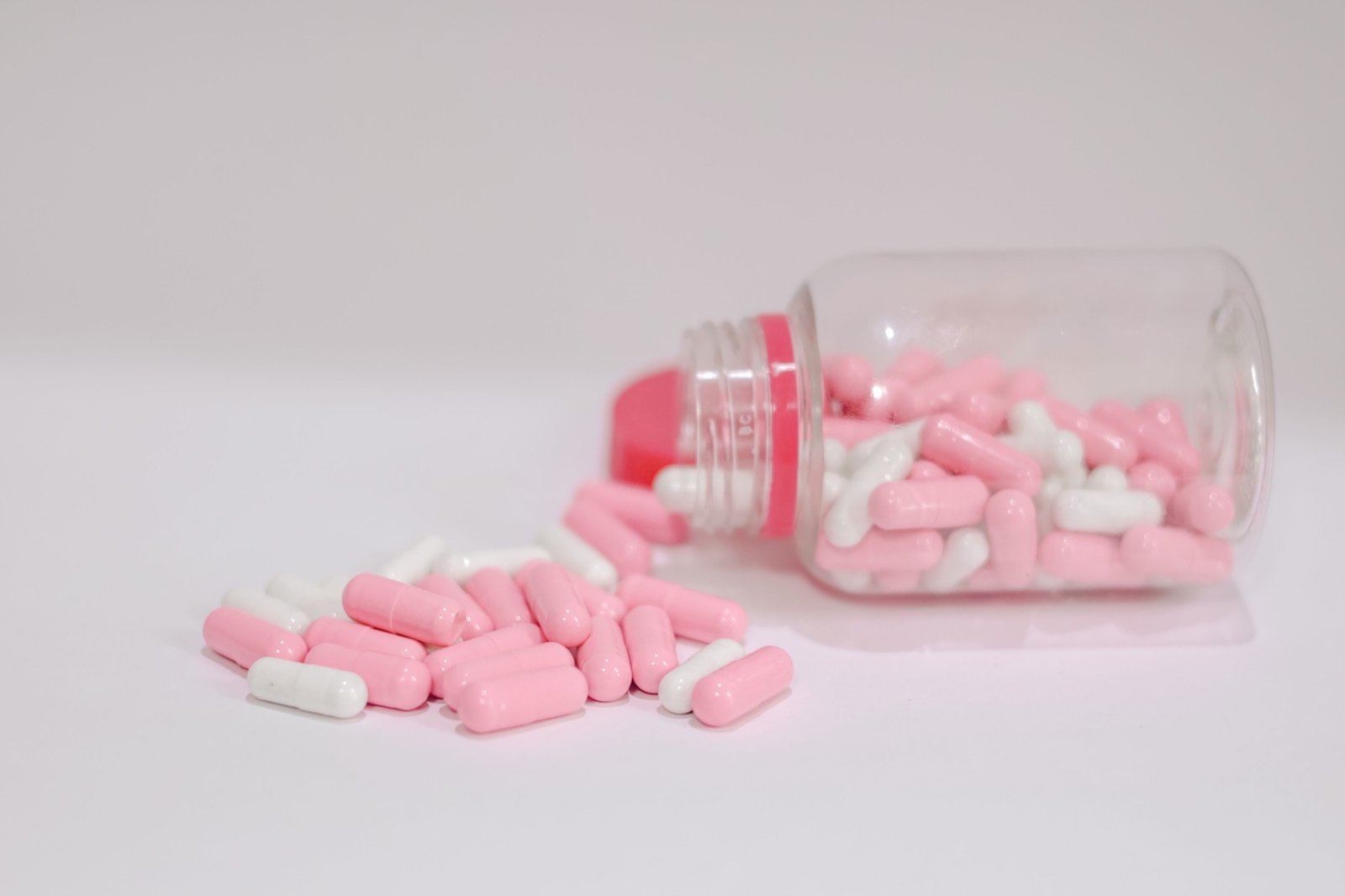
Pentrexyl is a Latin American brand name for ampicillin, a broad-spectrum penicillin-class antibiotic. Ampicillin itself is FDA-approved in the United States, just under different brand and generic names, for bacterial infections including certain respiratory tract, urinary tract, and gastrointestinal infections, as well as some ear infections and, in more severe cases, bloodstream or central nervous system infections. It requires a prescription and is not a controlled substance.
How Does Ampicillin Work?
Ampicillin works by interfering with the construction of bacterial cell walls, causing the susceptible bacteria to weaken and die. It covers a broader range of bacteria than the original penicillin, which is why it became a common choice for many everyday bacterial infections. Like all antibiotics, it has no effect on viruses, so it will not treat a common cold, most sore throats, or the flu.
How to Take Ampicillin
A common oral adult dose for genitourinary or gastrointestinal infections is 500 mg four times daily at evenly spaced intervals, though the exact dose and duration depend entirely on the specific infection being treated and a doctor’s assessment. Take the full course exactly as prescribed, even after you start feeling better, since stopping early is a common way resistant bacteria develop. Your pharmacist or prescribing physician will determine the correct dose for your infection.
Side Effects
Common Side Effects
Nausea, diarrhea, and mild stomach upset are commonly reported. Skin rash and hives are also frequently reported reactions with ampicillin specifically, more so than with some other antibiotics.
Serious Side Effects That Require Immediate Attention
Call 911 or seek emergency care for signs of anaphylaxis, including difficulty breathing, facial or throat swelling, or a rapid drop in blood pressure with dizziness or fainting, which is the most serious possible reaction and occurs more often with injected forms but can occur with oral use too. Contact a doctor for severe or bloody diarrhea that develops during or after antibiotic treatment, since this can signal a serious intestinal infection called C. difficile colitis that needs its own treatment. Seek care for a severe skin reaction with blistering or peeling skin.
Warnings and Precautions
There is no FDA boxed warning for ampicillin. As with any penicillin-class drug, the biggest concern is allergic reaction, which is more likely in anyone with a prior penicillin allergy or a history of asthma, hay fever, or hives. Ampicillin specifically should not be given to anyone with infectious mononucleosis, since a very high percentage, up to essentially all, of mono patients who take it develop a rash, typically appearing 7 to 10 days into treatment.
Beyond the medical warnings, there is a separate, practical concern with a product like Pentrexyl specifically: medication brought across the border or bought through unregulated online sources is not manufactured under FDA oversight, and there is no independent guarantee of its actual potency, purity, or that the pills genuinely contain what the label claims. Getting the same drug through a licensed US pharmacy with a valid prescription removes that uncertainty entirely.
| Question | Answer |
|---|---|
| Is ampicillin a real, legitimate antibiotic? | Yes, decades-established and FDA-approved |
| Is Pentrexyl the FDA-approved US brand? | No, it is a Latin American brand name |
| Can I get the same drug at a US pharmacy? | Yes, under other brand or generic names, with a prescription |
Who Should Not Take Ampicillin
Anyone with a known penicillin allergy should not take ampicillin without a doctor’s specific clearance, since cross-reactivity is common. Anyone with infectious mononucleosis should avoid it due to the high rash rate. It is not effective for viral illnesses, and taking it for a cold or flu will not help and only adds to unnecessary antibiotic exposure.
Storage and Disposal
Store ampicillin capsules at room temperature, away from excess heat and moisture, and keep any liquid suspension refrigerated if that is how it was dispensed, discarding any unused suspension after the timeframe noted on the label. For disposal of unused capsules, the DEA Take Back program at deadiversion.usdoj.gov/drug_disposal/takeback is a good option.
Helpful Resources
- dailymed.nlm.nih.gov — the FDA-sourced prescribing label for ampicillin capsules.
- medlineplus.gov — NIH consumer information on ampicillin.
- fda.gov — FDA guidance on the risks of medications purchased outside the regulated US supply chain.
If you have a bacterial infection that needs an antibiotic, South Fork Pharmacy in Moorefield can fill a US-regulated prescription rather than relying on medication brought from elsewhere.
Frequently Asked Questions
Is it illegal to bring Pentrexyl back from Mexico for personal use?
Bringing prescription medication across the US border without a valid US prescription generally falls into a legal gray area and can be confiscated at customs, separate from the medical safety question. A prescription filled at a US pharmacy avoids that uncertainty along with the manufacturing-oversight concern.
Is Pentrexyl weaker or stronger than what I’d get in the US?
There’s no reliable way to know for certain, since it isn’t manufactured under FDA oversight or independently verified in the US supply chain. That uncertainty, not necessarily proof that it’s wrong, is exactly the practical concern with foreign-sourced medication.
Can I take Pentrexyl if I’ve had a bad reaction to amoxicillin before?
No, not without a doctor’s guidance. Amoxicillin and ampicillin are closely related penicillin-class drugs, and a reaction to one raises real concern about the other. Tell any doctor or pharmacist about a prior amoxicillin or penicillin reaction before taking anything in this drug family.
Will ampicillin work for my sore throat?
Only if the sore throat is caused by a bacterial infection, such as strep throat, confirmed by a test. Most sore throats are viral and won’t respond to any antibiotic. See a doctor for testing rather than assuming you need an antibiotic.
What should I do if I develop a rash while taking ampicillin?
Stop the medication and contact your doctor, since a rash can be a sign of a true allergy or, if you happen to have undiagnosed mononucleosis, the well-known ampicillin-mono rash reaction. Either way, a rash during antibiotic treatment needs medical evaluation rather than waiting it out.
Is there a US equivalent I can ask my doctor for instead of Pentrexyl?
Yes. Generic ampicillin, and closely related drugs like amoxicillin, are widely available at any US pharmacy with a prescription. Ask your doctor or pharmacist about the equivalent option for your specific infection.
Disclaimer: The information in this article is for educational purposes only and is not a substitute for professional medical advice, diagnosis, or treatment. Always seek the guidance of your physician, pharmacist, or other qualified health provider with any questions about a medication or medical condition. Never disregard professional medical advice or delay seeking it because of something you have read here. If you think you may be experiencing a medical emergency, call 911 immediately. Drug information changes regularly. Confirm current prescribing information with your pharmacist or physician. South Fork Pharmacy, Moorefield, West Virginia.