
Moist wipes help with hemorrhoids by gently cleansing the area and providing mild soothing relief from itching and minor irritation, but they are a hygiene aid, not a treatment. On their own, they will not meaningfully reduce swelling, resolve pain from a real flare, or replace a medicated cream when symptoms are more than mild.
Can Moist Wipes Help With Hemorrhoids?
Moist wipes for hemorrhoids show up in nearly every home-care list for hemorrhoid symptoms, usually alongside creams and suppositories as if they belong in the same category of treatment. They do not, and the honest answer to whether they actually help is more specific than most hygiene product marketing suggests. Wipes have a real, useful job to do, just a narrower one than a lot of shoppers assume when they toss a container into the cart expecting it to handle the whole problem.
Part of the confusion comes from how wipes are marketed and displayed. They sit on the same shelf, sometimes in the same brand family, as medicated creams and suppositories, which visually groups them together as if they are interchangeable options at different price points. A container of wipes and a tube of hydrocortisone cream from the same brand look like a matched set, when in reality one is a hygiene product and the other is a medication, formulated for entirely different jobs.
The Short Answer: What Wipes Do And Don’t Do
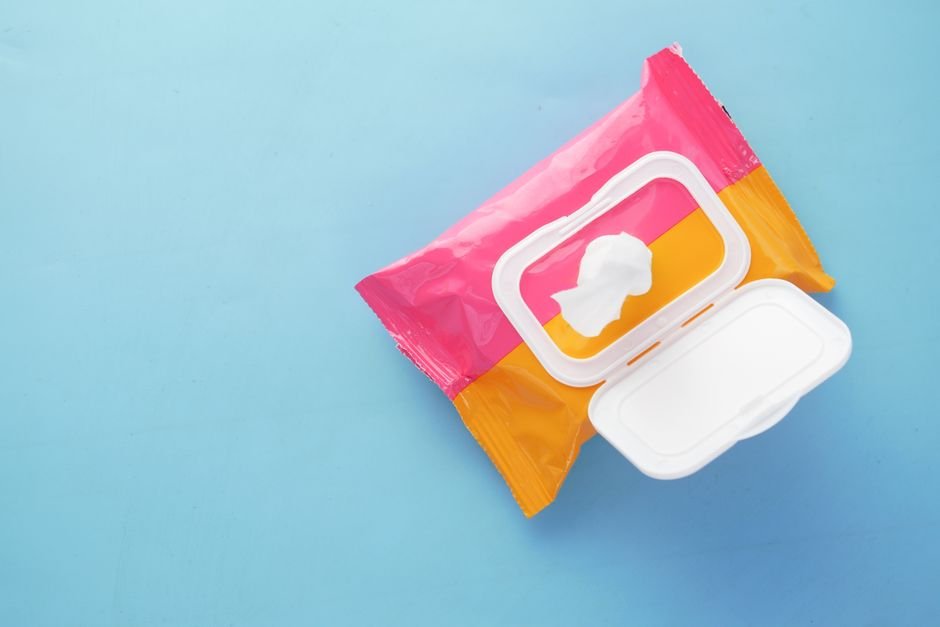
Wipes help with hygiene and mild soothing, not treatment. Cleaning the area gently after a bowel movement reduces irritation from residual stool and friction, and ingredients like witch hazel or aloe in many wipe formulas add a mild, temporary cooling or soothing sensation on contact. That combination genuinely helps with comfort and cleanliness during a flare, which is not nothing, but it is a different job than reducing swelling, numbing significant pain, or shrinking a hemorrhoid, none of which a wipe is formulated or labeled to do.
Calling a wipe a treatment in the same sense as a medicated cream overstates what it is doing. Most wipes do not contain an active ingredient at a concentration or in a form intended to treat hemorrhoidal symptoms directly, they are a cleansing product with a soothing additive, closer in function to a gentle facial cleansing wipe than to a topical medication. That distinction matters for setting expectations before relying on wipes alone for anything beyond mild irritation.
This does not mean wipes are pointless, far from it. Gentle, consistent hygiene is a genuinely important part of managing hemorrhoid symptoms and preventing them from worsening, since residual stool and repeated friction from dry wiping are real contributors to ongoing irritation. The point is simply that “helps with hemorrhoids” and “treats hemorrhoids” are two different claims, and wipes make good on the first one without making good on the second.
Wipes Vs Dry Toilet Paper: Does It Actually Matter
For irritated hemorrhoidal tissue, this comparison is not close. Dry toilet paper requires more friction and pressure to clean effectively, and that friction against already-swollen, sensitive tissue can worsen irritation, cause micro-tears, or trigger bleeding that would not otherwise happen. A moist wipe cleans with less pressure and less repeated wiping, which matters directly for tissue that is already inflamed and easily aggravated.
This is one of the more consistent, well-supported claims in hemorrhoid self-care, unlike some of the vaguer “natural remedy” advice that circulates online. Reducing mechanical irritation during an active flare is a straightforward, low-risk way to avoid making symptoms worse, and it does not require a medicated product to matter, a plain, gentle wipe does the job for this specific purpose.
There is also a practical, rural-specific consideration worth flagging here that most hemorrhoid content skips: what happens to the wipe after use. Many wipes marketed as “flushable” do not break down as quickly as toilet paper, and flushing them, especially repeatedly during a flare when wipe use goes up, can be a real problem for septic systems, which a large share of homes around Moorefield and Hardy County rely on rather than municipal sewer. Throwing used wipes in the trash rather than flushing them, regardless of what the packaging claims, is the safer default for anyone on a septic system.
What Ingredients To Look For (And Avoid)
Alcohol-free and fragrance-free wipes are the safer default for hemorrhoidal use, since both alcohol and added fragrance are common causes of stinging, dryness, and irritation on tissue that is already sensitive. Witch hazel is one of the most common soothing additives in wipes marketed for this use, valued for a mild astringent and cooling effect, and aloe vera shows up frequently as well for its soothing reputation, though the clinical evidence specifically supporting aloe for hemorrhoid symptoms is limited rather than strongly established.
Ingredients worth avoiding include added dyes, strong fragrances, and alcohol, all of which increase the odds of stinging or a reaction on already-irritated skin rather than helping it. Reading the ingredient list on a wipe container takes a few extra seconds and is worth it, since “sensitive” or “gentle” on the front of the package does not always match a genuinely simple ingredient list on the back.
Menthol and cooling agents are a middle-ground ingredient worth a specific mention. Some people find a mild cooling sensation genuinely soothing during a flare, while others find it stings on already-irritated tissue rather than helping. There is no universally right answer here, it comes down to individual sensitivity, and trying a small area first or starting with a plain, additive-free wipe before moving to a cooling formula is a reasonable way to find out which side of that split you fall on without committing to a full container that ends up unused.
So, Are Wipes Alone Actually Enough?
Most articles covering hemorrhoid wipes either oversell them as a meaningful treatment or bury a direct answer under a long list of generic hygiene tips, so here is the straightforward version. For mild, occasional irritation and itching, wipes alone can genuinely be enough, especially when the main problem is friction and residual stool rather than significant swelling or pain. For anything beyond mild, a flare with real pain, noticeable swelling, or persistent itching that a wipe’s brief cooling sensation does not touch, wipes alone are not sufficient, and expecting them to be leads to a lot of frustrated repeat purchases without real improvement.
The honest framing is that wipes are a supportive hygiene tool that belongs in a broader routine, not a standalone treatment plan for anything more than the mildest symptoms. In South Fork Pharmacy’s experience, patients who come back disappointed with a wipes-only approach are almost always dealing with more than mild irritation, and the fix is usually adding a targeted product, not switching to a different brand of wipe.
There is a useful way to test this yourself before deciding wipes are or are not working. If gentle cleansing with a wipe after each bowel movement, done consistently for a couple of days, brings symptoms down to a mild, manageable level, wipes alone may genuinely be handling the situation. If symptoms stay roughly the same or worsen despite consistent, correct wipe use, that is a reasonably clear sign the underlying problem needs a medicated product rather than more frequent wiping.
What Wipes Can’t Fix On Their Own
Swelling is the clearest example. No wipe ingredient at the concentrations typically used is formulated to meaningfully shrink swollen hemorrhoidal tissue the way a phenylephrine-based cream is designed to. Real pain, beyond mild irritation, is another gap, since wipes are not formulated with an anesthetic ingredient at a treatment-level dose the way a lidocaine or pramoxine cream is. Bleeding is a third area entirely outside what a wipe addresses, since bleeding needs to be evaluated rather than managed with a hygiene product regardless of how gentle it is.
When To Add A Cream Or See A Doctor
If wipes are handling hygiene well but pain, itching, or swelling remains noticeable, adding a targeted cream, a numbing product for pain, a protectant for mild irritation, or a phenylephrine product for swelling, alongside continued wipe use for cleansing is a reasonable next step. The two are not competing products, a wipe for cleaning and a cream for treating are meant to work together rather than as alternatives to each other.
A reasonable routine looks like this: use a gentle, alcohol-free wipe after each bowel movement for cleaning, apply a targeted cream or ointment afterward once the area is clean and dry, and keep track of how symptoms respond over the following few days. This layered approach, cleanse first, treat second, tends to work better than either step alone and gives a clearer picture of whether the treatment itself is working once irritation from poor cleaning technique is no longer part of the picture.
See a doctor rather than continuing to add more OTC products if symptoms have not improved after a week of appropriate combined care, if bleeding occurs, if pain is severe, or if a lump appears suddenly and does not resolve. These are the same red flags that apply across hemorrhoid self-care generally, not something specific to a wipes-only approach, but worth repeating here since a mild, misleadingly comfortable wipe routine can sometimes delay someone from noticing that symptoms have actually escalated beyond what any OTC combination is going to resolve.
Diet and bathroom habits belong in this conversation too, even though they are not a product at all. Increasing fiber intake, staying hydrated, and avoiding straining or prolonged sitting on the toilet address the underlying pressure that contributes to hemorrhoids forming and flaring in the first place. Wipes and creams manage the symptoms of a flare that is already happening, while these habit changes are what actually reduce how often flares occur, a distinction worth keeping in mind rather than treating every flare as a product problem to solve.
Ask South Fork Pharmacy’s pharmacist what to pair with your wipes for real relief, whether that means a numbing cream, a protectant, or something for swelling specifically. The pharmacy carries a full range of hemorrhoid care products and can help build a routine that actually matches your symptoms rather than relying on wipes to do more than they are built for.
Frequently Asked Questions
Can I just use hemorrhoid wipes instead of a cream?
For mild, occasional irritation, wipes alone can be enough. For real pain, swelling, or persistent symptoms, wipes should be paired with a targeted cream rather than used as a standalone treatment.
Are baby wipes the same as hemorrhoid wipes?
Not necessarily. Some baby wipes contain fragrance or other additives not intended for already-irritated anorectal tissue, so a wipe specifically formulated and labeled for hemorrhoidal or anorectal use, or a plain fragrance-free option, is generally the safer choice.
Do flushable wipes actually break down in septic systems?
Many products labeled “flushable” break down more slowly than toilet paper and are not recommended for septic systems, including many rural systems around Hardy County. Throwing wipes in the trash rather than flushing them is the safer default regardless of what the label claims.
How many times a day can I use hemorrhoid wipes?
Most are labeled for use up to six times daily or after each bowel movement, but check the specific product’s label since formulas vary. If frequent use is not resolving irritation, that is a sign to add a targeted product rather than increasing wipe use further.
Do witch hazel wipes actually do anything, or is that just marketing?
Witch hazel has a real, mild astringent and cooling effect that many people find soothing for minor irritation. It is not a substitute for a medicated treatment when symptoms are more than mild, but the soothing effect itself is genuine rather than purely marketing.
Can using the wrong wipe make my hemorrhoids worse?
Yes, a wipe containing alcohol or fragrance can irritate already-sensitive tissue and make symptoms feel worse rather than better. Ask a pharmacist at South Fork Pharmacy to point out a gentle, alcohol-free option if you are unsure which product on the shelf fits that description.
Disclaimer: The information in this article is for educational purposes only and is not a substitute for professional medical advice, diagnosis, or treatment from a pharmacist or doctor. General hemorrhoid guidance provided here is not a diagnosis, and persistent, severe, or unclear symptoms should be evaluated by a doctor. If you think you may be experiencing a medical emergency, call 911 immediately. South Fork Pharmacy, Moorefield, West Virginia.