
Medicated pads for hemorrhoids do help with symptom relief, particularly itching, burning, and irritation, thanks to astringent ingredients like witch hazel soaked into the pad. They are not a cure and will not reduce internal swelling on their own, but for external irritation and gentle hygiene they genuinely work.
Can Medicated Pads Help With Hemorrhoids?
Medicated pads for hemorrhoids sit on nearly every drugstore shelf next to the creams and suppositories, but whether they actually help is a more specific question than most product descriptions answer directly. The short answer is yes, for the symptoms they are built to address, and understanding exactly what that means helps set the right expectations before relying on them for a full flare.
This is a different question from asking whether medicated pads treat hemorrhoids in a broad sense, which is where a lot of shoppers get tripped up. A product can genuinely work for the specific job it is built to do, cleansing and mild astringent relief in this case, without being a complete treatment for every symptom a flare might bring. Getting clear on that distinction upfront saves a lot of frustration later, especially for anyone dealing with a flare severe enough that a pad alone was never going to be the full answer.
The Short Answer: Do Medicated Pads Actually Help
Yes, medicated pads help with symptom relief, specifically itching, burning, and irritation, through the astringent and soothing ingredients soaked into them, most commonly witch hazel. They are not a cure for hemorrhoids and do not resolve the underlying swollen tissue, but for the discomfort of a mild to moderate flare, many people find real, genuine relief from consistent use.
That relief is symptomatic rather than curative, the same distinction that applies to most OTC hemorrhoid products. A medicated pad calms irritation and provides gentle astringent action on contact, it does not shrink a hemorrhoid or address why it flared in the first place, which is worth understanding clearly before assuming a pad alone will resolve a more significant problem.
There is a reasonable amount of anecdotal and clinical support behind witch hazel’s astringent action specifically, more than exists for a lot of other “natural” hemorrhoid ingredients that get marketed with similar confidence but weaker evidence behind them. That does not make medicated pads a medical-grade treatment, but it does mean the relief many people report is not purely a placebo effect, there is a real, if modest, physiological mechanism behind it.
This is also a category where South Fork Pharmacy fields the question regularly, since medicated pads are one of the more affordable, low-commitment products a first-time hemorrhoid sufferer tends to reach for. In many cases that instinct is a reasonable one, especially for a mild first flare where the symptoms are more about irritation and itching than significant pain or swelling.
What Makes A Pad “Medicated”
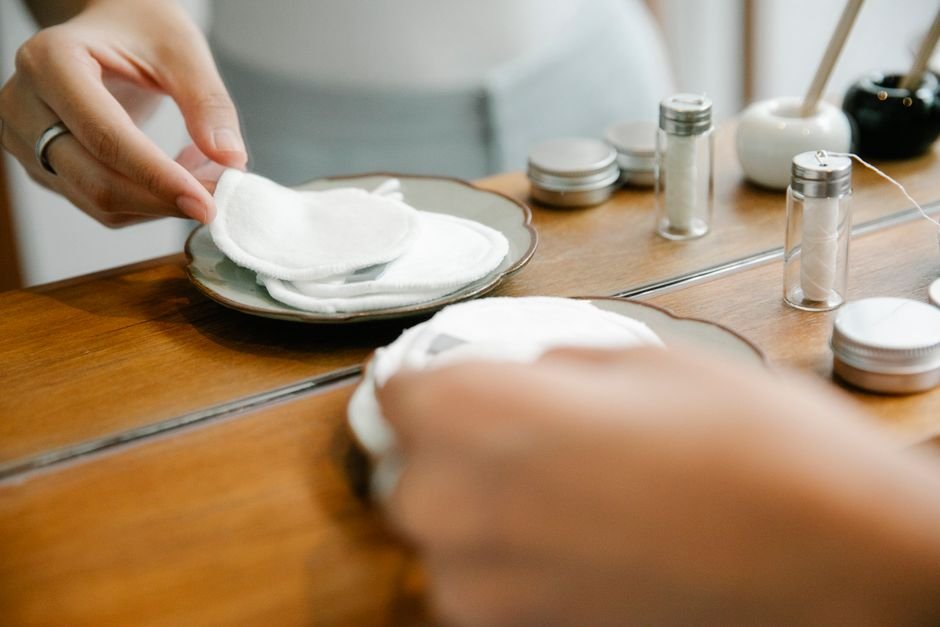
A medicated pad is soaked in an active ingredient, most commonly witch hazel at around 50 percent concentration, which functions as an astringent, gently tightening and toning irritated tissue while providing a cooling, soothing sensation on contact. This is different from a plain cotton pad or a generic wipe with no active ingredient, which offers only mechanical cleansing without the additional astringent effect.
Some medicated pads add aloe vera alongside witch hazel for extra soothing, though the core active ingredient doing the astringent work in nearly every well-known brand is witch hazel itself. Checking the drug facts panel on the specific product confirms exactly what is providing the medicated effect, since not every pad marketed for hemorrhoid use contains the same concentration or combination.
A small number of medicated pad products go further and add a low-dose hydrocortisone or a mild anesthetic alongside the witch hazel base, moving them closer to a combination treatment than a purely astringent one. These tend to carry a duration limit similar to any other OTC hydrocortisone product, generally capped around a week of self-treatment, so checking the full active ingredients list matters even more with these enhanced versions.
Fragrance and other additive ingredients are worth checking too, since some brands add scent or extra botanicals that can, for a minority of users, cause more irritation than relief on already-sensitive tissue. A fragrance-free, alcohol-free medicated pad is the generally safer starting point, with a scented or additive-heavy version reserved for anyone who has already confirmed they tolerate it well.
How And When To Use Them
Medicated pads are generally used after each bowel movement, gently patting or wiping the area rather than rubbing, which reduces friction on already-irritated tissue compared to dry toilet paper. Most labels allow use up to six times daily, and many people also use them between bowel movements simply for the cooling, soothing effect during an active flare.
Storing them somewhere cool, or even refrigerating them, is a small detail some people find enhances the cooling sensation further, though it is a comfort preference rather than something that changes the medicated effect itself. Discarding the pad after a single use, rather than trying to reuse it, keeps the application hygienic.
Many people find it helpful to keep a small supply somewhere easily accessible, a bathroom drawer at home and a travel-size pack for work or errands, rather than only reaching for a pad when at home with the full-size container. Consistency matters more than any single application here, since the astringent effect is temporary and repeated use through the day tends to produce noticeably better comfort than one application followed by hours of nothing.
For anyone on a septic system, which covers a large share of homes around Moorefield and rural Hardy County, checking whether a specific pad or wipe product is actually safe to flush matters. Many products labeled flushable still break down more slowly than toilet paper, and throwing used pads in the trash rather than flushing them is the safer default regardless of what the packaging claims.
The Direct Efficacy Answer Most Articles Skip
Most competing content describes medicated pads, their ingredients, and how to use them without actually answering the direct question a searcher has, do they work. The honest, specific answer is that they work well for what witch hazel is actually capable of doing, providing astringent, cooling, anti-itch relief for external irritation, and they do not work as a treatment for significant swelling, internal hemorrhoid symptoms, or pain severe enough to need a numbing ingredient like lidocaine.
Within that scope, the evidence and consistent anecdotal reporting both support real effectiveness. Many people find meaningful relief from itching and burning within minutes of applying a medicated pad, and using them consistently through a flare, rather than only once symptoms are already severe, tends to produce better results than reaching for one only as a last resort.
It is worth contrasting this with the separate broader article on hemorrhoid pads generally, which covers the different types of pads on the market, medicated, plain, and flushable. This article deliberately stays narrower, focused specifically on whether medicated pads work as an active treatment, since that is the direct question most people searching this exact phrase actually want answered rather than a product roundup.
What They Can’t Do
Medicated pads will not reduce internal hemorrhoid swelling, since the pad only contacts external tissue and witch hazel’s astringent effect does not reach internal tissue the way a suppository does. They also will not provide the level of pain relief a lidocaine or pramoxine cream offers for a genuinely painful flare, and they do nothing to address the underlying causes of hemorrhoids like straining or low fiber intake.
Bleeding is another area entirely outside what a medicated pad addresses. Witch hazel’s astringent effect can provide some mild comfort around minor irritation, but any new, heavy, or unexplained bleeding needs to be evaluated by a doctor rather than managed with a pad regardless of how consistently it is used.
When To Pair Them With Something Stronger
When pain is significant, when swelling is the dominant symptom, or when internal hemorrhoid symptoms are involved, pairing medicated pads with a cream, suppository, or oral option makes more sense than relying on the pads alone. A common, reasonable routine is using a medicated pad for cleansing and gentle relief after each bowel movement, then following with a targeted cream for pain or swelling once the area is clean and dry.
This layered approach, pad first for cleansing and mild relief, cream or suppository second for the active symptom, tends to work better than reaching for one product and hoping it covers everything. It also makes it easier to tell which product is actually helping, since a flare that improves with the added cream but not with the pad alone points clearly toward what was actually missing.
Ask South Fork Pharmacy’s pharmacist whether medicated pads alone are enough for your specific situation, or whether pairing them with a cream or suppository would serve you better. The pharmacy carries a full range of hemorrhoid care products to build the right combination for your symptoms, with free delivery available Tuesdays and Thursdays within Moorefield town limits.
Frequently Asked Questions
Do medicated pads really work for hemorrhoids, or is that just marketing?
They genuinely work for what witch hazel is capable of, astringent relief from itching, burning, and mild irritation. They are not a cure and will not resolve significant swelling or internal symptoms on their own.
How many medicated pads can I use in a day?
Most labels allow use up to six times daily or after each bowel movement. Check the specific product’s label since formulas and frequency limits can vary slightly.
Are medicated pads safe to use every day, even without a flare?
Many people use them daily for gentle hygiene without issue, but if you are using them constantly because symptoms never fully resolve, that pattern is worth mentioning to a pharmacist. Persistent symptoms sometimes need more than a pad alone. In South Fork Pharmacy’s experience, a change like this is often the first sign that a flare has moved from mild to something that would benefit from a doctor’s look, rather than a reason to simply try a different brand of pad.
Can medicated pads help with internal hemorrhoids?
Not directly, since the pad only contacts external tissue. Internal hemorrhoid symptoms typically need a suppository or oral option, so ask a pharmacist at South Fork Pharmacy which form actually reaches the area causing discomfort.
Why do medicated pads feel cooling on contact?
That cooling sensation comes from witch hazel’s astringent effect on the skin, which many people find soothing during a flare. It is a real, mild physiological effect rather than just a marketing sensation.
Disclaimer: The information in this article is for educational purposes only and is not a substitute for professional medical advice, diagnosis, or treatment from a pharmacist or doctor. Medicated pads provide temporary symptom relief and are not a treatment for the underlying cause of hemorrhoids. If you think you may be experiencing a medical emergency, call 911 immediately. South Fork Pharmacy, Moorefield, West Virginia.