
A hemorrhoid cream works through whichever active ingredient it contains, and different creams do completely different jobs. Protectants like zinc oxide or petrolatum form a barrier over irritated skin, vasoconstrictors like phenylephrine temporarily shrink swollen tissue, hydrocortisone calms itching and inflammation, and numbing agents like lidocaine or pramoxine dull pain. None of them removes the hemorrhoid itself.
How Does A Hemorrhoid Cream Work?
If you have ever wondered how does a hemorrhoid cream work, the honest answer is that it depends on which cream you picked up, because the tubes on the shelf are not all doing the same thing. Knowing the mechanism behind your product helps you choose the right one for your symptom and set realistic expectations about what it can and cannot do.
At South Fork Pharmacy in Moorefield, WV, we see people buy a cream expecting it to fix pain when it was really designed for itching, or expecting it to shrink swelling when it only protects the skin. This guide breaks hemorrhoid creams down by what their ingredients actually do, so the product you buy matches the problem you have.
There’s No Single Mechanism, It Depends On The Ingredient
“Hemorrhoid cream” is a shelf category, not a single medicine. The FDA’s rules for over-the-counter hemorrhoid products allow several different kinds of active ingredients, and each one works on a different part of the problem. One cream might coat the skin, another might tighten blood vessels, another might quiet the immune reaction that causes itching, and another might block pain signals from nerves. Many products combine two or more of these.
That matters because hemorrhoid symptoms are not all the same either. Swelling, itching, burning, and sharp pain during a bowel movement come from different processes, and a product aimed at one may do little for another. A cream built around a skin protectant, for example, can make passing stool more comfortable and shield irritated skin, but it will not numb a painful flare the way a lidocaine cream can.
The practical takeaway is simple. Before you ask whether a hemorrhoid cream works, ask which ingredient it contains and what that ingredient is meant to do. The Drug Facts panel on the back of the box lists each active ingredient along with its purpose, such as “protectant,” “vasoconstrictor,” “anti-itch,” or “local anesthetic.” That one line tells you more about how the cream works than anything printed on the front.
It is also worth being clear about what all of these ingredients have in common. Every OTC hemorrhoid cream treats symptoms. None of them removes the swollen vein, repairs the supporting tissue, or prevents the next flare. That is not a flaw in the products, it is simply what topical treatment can do. Long-term improvement usually comes from softer stools, less straining, and time.
Protectants
Protectants are the most basic and often the most underrated ingredients. Common examples include zinc oxide, petrolatum, mineral oil, glycerin, cocoa butter, and lanolin. They work physically rather than chemically. A protectant forms a thin coating over irritated skin that holds in moisture, reduces friction, and keeps stool and moisture from directly touching raw tissue.
That barrier can make a real difference. Much of the burning and irritation around hemorrhoids comes from skin being rubbed, wiped, or exposed to moisture over and over. A good protective layer gives that skin a chance to settle down, and it can make bowel movements a little easier by reducing drag on sore tissue. Many people find protectants especially useful at night or after a bowel movement.
What protectants do not do is shrink swelling, stop itching at its source, or numb pain. They are supportive rather than active. That is also why they are usually the gentlest option, with few side effects and generally no strict day limit on the label, which makes them a reasonable starting point for mild irritation. If you have seen zinc oxide listed on a hemorrhoid ointment, that is the protectant at work.
Vasoconstrictors
A vasoconstrictor narrows blood vessels. In OTC hemorrhoid products, the most common one is phenylephrine, usually at 0.25 percent. When applied to swollen hemorrhoidal tissue, it tightens the small blood vessels in the area, which can temporarily reduce swelling and the feeling of fullness or pressure. This is the ingredient behind the “shrink” claims on some packaging.
The key word is temporarily. Phenylephrine does not dissolve the hemorrhoid or permanently shrink the vein. Its effect wears off, which is why labels allow repeated use through the day, commonly up to four times daily. For some people that temporary relief is exactly what they need to get through a flare while the underlying irritation calms down on its own.
Because phenylephrine acts on blood vessels, it is not a good fit for everyone. The label warns people with heart disease, high blood pressure, thyroid disease, diabetes, or trouble urinating from an enlarged prostate to ask a doctor before using it, and to check with a pharmacist if they take certain medications for depression or blood pressure. If you fall into one of those groups, a protectant or a different ingredient may be a safer choice, and that is a quick conversation to have at the pharmacy counter.
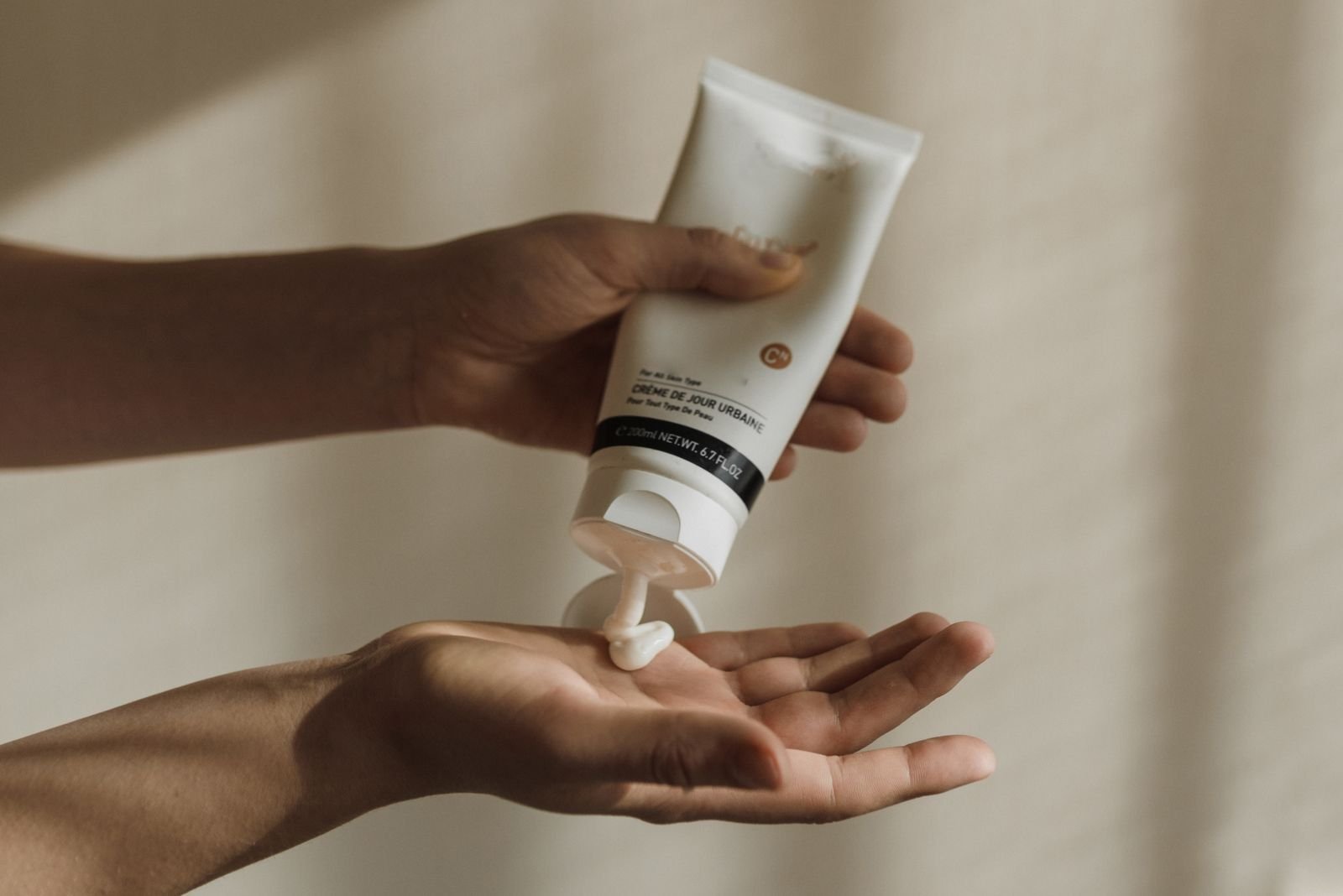
Why “Hemorrhoid Cream” Is Really Four Different Products
Most explainers describe hemorrhoid cream as if it does one generic thing, usually “reduces swelling and relieves discomfort.” That description fits some products and not others, and it is the reason people end up disappointed. If you buy a hydrocortisone cream expecting it to shrink swelling quickly, or a protectant expecting it to numb pain, the cream is not failing. It is doing a different job than the one you bought it for.
A more useful way to think about it is to match the mechanism to the main symptom. If swelling and pressure are the problem, a vasoconstrictor is the ingredient designed for that. If itching dominates, hydrocortisone is aimed at the inflammation that drives it. If sharp pain or burning is the issue, a local anesthetic like lidocaine or pramoxine blocks the pain signal. If the skin is simply raw and irritated, a protectant shields it while it recovers.
Combination products blur these lines on purpose. Many popular creams pair a protectant with phenylephrine, or pair lidocaine with phenylephrine, so they address more than one symptom at once. That can be convenient, but it also means you are taking on the cautions of every ingredient in the tube. Someone who only has itching does not need a vasoconstrictor, and someone with high blood pressure may be better off without one.
This mechanism-first view also explains why switching products sometimes works when the first one did not. It is not that the second brand is stronger. It is often that the second product contains a different kind of ingredient that happens to fit the symptom better. In South Fork Pharmacy’s experience, a two-minute look at the Drug Facts panel prevents a lot of wasted money and frustration.
Anti-Inflammatories And Numbing Agents
Hydrocortisone is a mild corticosteroid, and in OTC hemorrhoid creams it is typically 1 percent. It works by calming the local inflammatory response, the chain of immune signals that causes redness, swelling of the skin, and especially itching. Many people find it very helpful for persistent itching. It tends to work over a day or two rather than instantly, since it is quieting a process rather than masking a sensation.
Hydrocortisone also comes with a clear time limit. OTC labels generally advise stopping and checking with a doctor if symptoms have not improved within seven days. Longer, unsupervised use of steroid creams on this delicate skin can thin it and make it more fragile, which is the opposite of what you want. It is meant for short-term relief, not ongoing daily use.
Numbing agents work differently again. Lidocaine and pramoxine are local anesthetics that temporarily block nerve endings from sending pain signals. The effect usually starts within minutes, which is why these products appeal to people with painful flare-ups or pain during bowel movements. The tradeoff is that the relief is short-lived, often lasting an hour or two, and it does nothing about the underlying swelling or inflammation. Some people also develop skin sensitivity to these ingredients, so stop using one if it causes new redness or a rash.

How To Tell Which Mechanism A Specific Cream Uses
The front of a hemorrhoid product box is marketing. Words like “maximum strength,” “rapid relief,” or “advanced” do not tell you what the cream actually does. Turn the box over and find the Drug Facts panel. Under “Active ingredients,” each ingredient is listed with its percentage and, right beside it, its purpose.
Those purpose labels map directly to the mechanisms in this guide. “Protectant” means a barrier ingredient. “Vasoconstrictor” means phenylephrine or a similar ingredient that temporarily reduces swelling. “Anti-itch” next to hydrocortisone means a steroid for inflammation and itching. “Local anesthetic” or “pain reliever” next to lidocaine or pramoxine means a numbing agent. A product with two or three lines is a combination and works in two or three ways.
Next, read the “Warnings” and “Directions” sections, because they change with the mechanism. Phenylephrine products carry heart and blood pressure cautions. Hydrocortisone products carry the seven-day guidance and are for external use. Anesthetic products warn against using more than directed. The directions also tell you how often you can apply the product each day, which varies between products.
Finally, check whether the product is meant for external use, internal use with an applicator, or both. That detail determines where the ingredient can reach, and using a product in a way the label does not allow is not a good idea. If you take prescription medications or have a chronic health condition, have a pharmacist look at the label with you before you start. You can reach our team through our pharmacy services page, browse more reading in our medication information section, or compare two common ingredients in our guide to hydrocortisone versus lidocaine.
A realistic expectation helps too. Most flare-ups settle within about a week with home care, including fiber, fluids, and not straining. If symptoms have not improved in seven days, or you notice bleeding, severe pain, a hard lump, or fever, see a doctor rather than trying another cream. Never start, stop, or change a prescription medication because of something you read online. Ask your doctor or pharmacist first.
Not sure which kind of hemorrhoid cream fits what you are feeling right now? Stop by South Fork Pharmacy at 732 N Main St in Moorefield and ask our pharmacist. We will look at the labels with you and help match the mechanism to your symptoms.
Frequently Asked Questions
Do hemorrhoid creams actually shrink hemorrhoids?
Only some do, and only temporarily. Creams with phenylephrine narrow blood vessels to reduce swelling for a few hours, but no cream permanently shrinks or removes a hemorrhoid.
Why didn’t my hemorrhoid cream help with the pain?
It may not contain a numbing ingredient. Protectants and hydrocortisone are not designed to block pain, so a product with lidocaine or pramoxine may fit that symptom better, as long as it is appropriate for you.
How fast does hemorrhoid cream work?
It depends on the ingredient. Numbing agents often work within minutes, phenylephrine within a short time, and hydrocortisone usually needs a day or two to calm itching and inflammation.
Is it safe to use hemorrhoid cream every day?
Protectants are generally gentle, but hydrocortisone products are meant for short-term use, and most labels advise checking with a doctor if symptoms last more than seven days. Follow the directions on your specific product.
Can a pharmacist tell me which hemorrhoid cream is right for me?
Yes. The pharmacists at South Fork Pharmacy can review your symptoms, your other medications, and your health history, then point you to a product whose ingredient fits.
Is a hemorrhoid cream with more ingredients better?
Not necessarily. A combination product covers more symptoms, but it also carries the cautions of every ingredient, so a simpler product can be the better choice when you only have one main symptom.
Disclaimer: The information in this article is for educational purposes only and is not a substitute for individualized medical advice, diagnosis, or treatment from a pharmacist or doctor. Product formulations vary, so always follow the label on your package. If you think you may be experiencing a medical emergency, call 911 immediately. South Fork Pharmacy, Moorefield, West Virginia.