
Docusate sodium is a stool softener that works by lowering the surface tension of stool so water and fat mix into it more easily, making it softer and less effortful to pass. It typically takes 12 to 72 hours to work and is commonly used to prevent straining after surgery, childbirth, or during a hemorrhoid flare.
What Is Docusate Sodium Used For?
Docusate sodium shows up under several brand names on pharmacy shelves, Colace being the most recognizable, and it is often grouped loosely with “laxatives” without much explanation of what it is actually doing or why a doctor or pharmacist might recommend it specifically over a stimulant laxative. Getting a plain, direct answer to what it does and when it makes sense clears that up quickly.
Unlike a stimulant laxative that forces movement, docusate sodium works through a gentler physical mechanism, and that mechanism is exactly why it gets recommended so often for situations where straining itself, not just constipation, is the thing to avoid.
This distinction matters especially for anyone managing a hemorrhoid flare, since the goal in that specific situation is not simply “produce a bowel movement” but “produce one with as little mechanical stress as possible.” A stimulant laxative can technically achieve the first goal while doing relatively little for the second, which is exactly the gap docusate sodium is built to fill.
How Docusate Sodium Actually Works
Docusate sodium is classified as a stool softener, and its mechanism is different from both a stimulant laxative like senna and an osmotic laxative like polyethylene glycol. It works by lowering the surface tension of stool, which allows water and fatty substances already present in the digestive tract to mix into the stool more evenly rather than staying separate. The result is stool that is softer and easier to pass, without directly stimulating intestinal contraction the way a stimulant laxative does.
Because it does not stimulate contraction, docusate sodium generally does not produce the cramping sometimes associated with stimulant laxatives, which is a meaningful part of why it is often the preferred choice when a gentler, more predictable option is needed, particularly for someone who needs to avoid straining rather than simply needing any bowel movement at all.
This gentler mechanism is also why docusate sodium is frequently the first choice recommended by doctors and pharmacists for situations where avoiding strain matters more than achieving fast results, since a slower, gentler softening process does not carry the same abrupt, sometimes cramp-inducing effect that a stimulant laxative’s forced contraction can produce.
What Docusate Sodium Is Actually Used For
This is the direct answer the search intent behind this question is usually looking for: docusate sodium is most commonly used to prevent straining during a bowel movement in situations where straining itself carries a real risk, after surgery, after childbirth, following a heart attack, or during a hemorrhoid or anal fissure flare where the mechanical stress of straining can worsen the condition.
It is also commonly recommended for anyone who is bedridden or has reduced mobility, since a more sedentary state can slow bowel movement and make stool harder over time, and for people taking a medication known to cause constipation as a side effect, opioids being a common example, where a stool softener can help offset that effect without adding a stimulant to the mix.
Someone recovering from a hemorrhoidectomy or another anorectal procedure is another common case where a doctor will often specifically recommend docusate sodium during the recovery period, since avoiding strain on healing tissue is especially important in those first weeks, and a gentle, predictable stool softener fits that recovery goal better than a stronger stimulant laxative would.
How To Take It And What To Expect
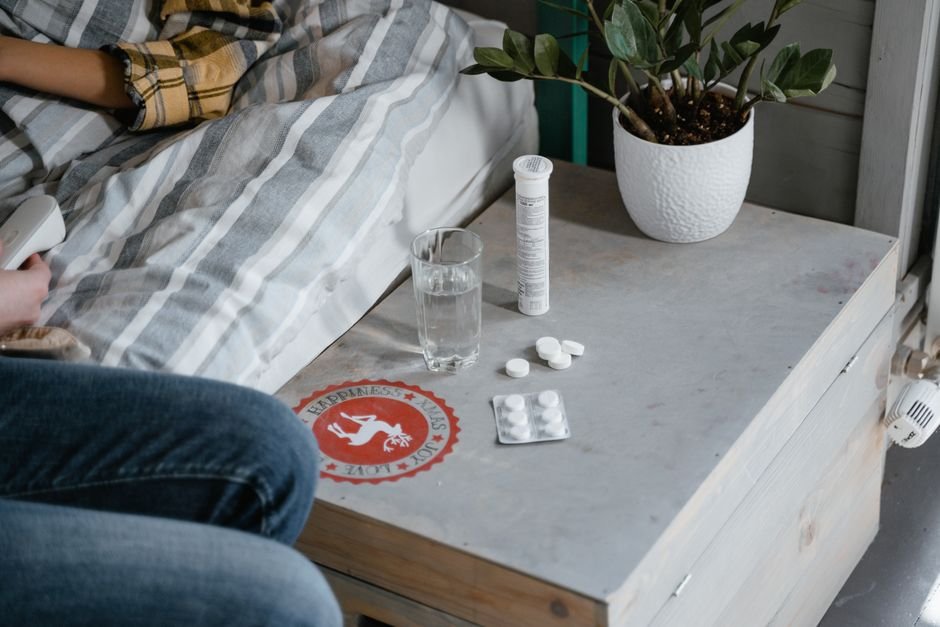
Docusate sodium is typically taken once or twice daily, commonly in a 50mg or 100mg capsule, with a full glass of water to support the softening effect. Onset is slower than a stimulant laxative, typically 12 to 72 hours before a noticeable effect, so it is not the right choice for someone needing fast relief from an already-uncomfortable bout of constipation happening right now.
This slower onset is not a flaw in the product, it is simply a direct result of how the softening mechanism works, since stool already in the digestive tract needs time to pass through while being gradually softened along the way, unlike a stimulant that acts more immediately on intestinal muscle contraction regardless of where the stool currently sits.
Because of that slower onset, docusate sodium is better understood as a preventive or maintenance tool rather than a rescue product, taken consistently ahead of an anticipated need, before a scheduled surgery, throughout a postpartum recovery period, or daily during an extended hemorrhoid-prevention routine, rather than reached for reactively once constipation has already set in.
Unlike a stimulant laxative, docusate sodium is generally considered appropriate for longer-term daily use when there is an ongoing reason to avoid straining, though checking in with a doctor periodically during extended use, rather than continuing indefinitely without any check-in, is still a reasonable practice.
Some people notice that docusate sodium alone is not quite enough during a particularly stubborn stretch of constipation, since it addresses stool consistency but does nothing to actively stimulate movement. In that situation, briefly adding a stimulant laxative alongside the ongoing docusate routine, rather than replacing it, is a common and reasonable adjustment, best confirmed with a pharmacist first.
Warnings And Who Should Be Cautious
Docusate sodium is generally well tolerated, but stop use and check with a doctor if rectal bleeding occurs, if there is no bowel movement despite regular use, or if stomach pain, nausea, or vomiting accompany the constipation, since these can indicate something needing evaluation beyond simple stool softening.
Anyone currently taking mineral oil should check with a doctor or pharmacist before also using docusate sodium, since docusate can increase how much mineral oil is absorbed into the body, which is not the intended effect of either product used alone. Pregnant individuals and anyone with an existing bowel condition should also check with a doctor before starting regular use.
Children should only use docusate sodium under a doctor’s guidance rather than an adult dosing schedule adjusted informally, since pediatric dosing is based on weight and age rather than a simple fraction of the adult amount. Anyone taking multiple other medications regularly should also mention docusate sodium to a pharmacist during a routine medication review, since it is easy to overlook a seemingly minor OTC product when listing current medications.
A persistent lack of bowel movement despite regular docusate sodium use over several days, especially if accompanied by abdominal swelling or pain, warrants prompt medical attention rather than continued waiting, since this combination of symptoms can occasionally point to something beyond simple constipation that a stool softener alone will not resolve.

Ask South Fork Pharmacy’s pharmacist whether docusate sodium fits your situation, especially if you are recovering from surgery or childbirth, managing a hemorrhoid flare, or taking a medication known to cause constipation. The pharmacy carries docusate sodium alongside a full range of stool softeners and laxatives, and can help confirm the right daily dose for your specific situation. Free delivery on Tuesdays and Thursdays within Moorefield town limits is also available, and medication synchronization can help keep a daily stool-softener routine consistent.
Frequently Asked Questions
What is docusate sodium used for?
It is used as a stool softener to prevent straining during a bowel movement, commonly after surgery, childbirth, or during a hemorrhoid or fissure flare.
How long does docusate sodium take to work?
It typically takes 12 to 72 hours to produce a noticeable effect, which makes it better suited to prevention than to fast relief of active constipation.
Is docusate sodium the same as a laxative?
It is a type of laxative, specifically a stool softener, but it works differently from a stimulant laxative like senna, which triggers intestinal contraction instead of softening stool.
Can I take docusate sodium every day?
Yes, it is generally considered appropriate for longer-term daily use when there is an ongoing reason to avoid straining, though periodic check-ins with a doctor during extended use are still reasonable.
Disclaimer: The information in this article is for educational purposes only and is not a substitute for professional medical advice, diagnosis, or treatment from a pharmacist or doctor. Docusate sodium is a stool softener and is not a treatment for hemorrhoids themselves. If you think you may be experiencing a medical emergency, call 911 immediately. South Fork Pharmacy, Moorefield, West Virginia.