
Yes, for most adults taking docusate and senna together is a common, well-established combination for occasional constipation, not a concerning interaction. Docusate softens the stool while senna prompts the bowel to move, and the two are sold together in products like Senokot-S and Senna Plus. Use it short term, follow the label dose, and ask a pharmacist first if you take other medicines or are pregnant.
Docusate And Senna Together: Is It Safe?
If you have a bottle of stool softener and a bottle of senna in the cabinet and you are wondering whether taking docusate and senna at the same time is safe, you are asking a reasonable question. Combining two laxative products sounds like it could be too much, but this particular pairing is one of the most familiar combinations in the pharmacy.
At South Fork Pharmacy in Moorefield, WV, we answer this question often, especially for people trying to avoid straining because of hemorrhoids. This guide explains why the two are paired, the branded products that already combine them, how to take them sensibly, and when to check with a pharmacist first.
The Short Answer
Docusate and senna are frequently taken together, and for healthy adults using them occasionally and as directed, the combination is generally considered safe. There is no known harmful interaction between the two ingredients. In fact, they are paired so often that manufacturers sell them in a single tablet, and hospitals commonly use the combination for patients at risk of constipation, such as after surgery or while taking opioid pain medicine.
That does not mean the combination is right for everyone or for unlimited use. OTC labels for senna products advise against using a laxative for more than about a week unless a doctor directs you to, and long-term, unsupervised use of stimulant laxatives can lead to cramping, dependence on laxatives to go, and changes in fluid and electrolytes. Occasional, short-term use is where this combination fits best.
There is also one specific caution worth knowing. Docusate should not be taken with mineral oil, because docusate can increase how much mineral oil the body absorbs. If you use mineral oil as a laxative, talk to a pharmacist before adding a docusate product.
Why They’re Often Combined
The two ingredients do different jobs, and together they cover more of the problem than either one alone. Docusate is a stool softener. It works like a detergent, letting water and fat mix into the stool so it becomes softer and easier to pass. It does not make the bowel move, which is why it works gently and often takes one to three days to have an effect.
Senna is a stimulant laxative. Its active compounds, called sennosides, are activated by bacteria in the colon and prompt the muscles of the bowel wall to contract and push stool along. Senna usually produces a bowel movement within about six to twelve hours, which is why it is often taken at bedtime for a morning result.
Put them together and you have one ingredient making stool softer and another helping it move. For someone who is constipated with hard, dry stools, a softener alone may not be enough to get things going, while a stimulant alone can mean cramping as the bowel tries to push hard stool. The combination aims to soften and move at the same time. Research on docusate on its own is mixed, and some studies question how much it adds, but in practice many people find the pairing gentle and predictable.
For people with hemorrhoids, the appeal is avoiding straining. Straining raises pressure on the veins in the rectum and can worsen swelling and bleeding. A softer stool that passes with less effort is one of the most useful things you can do for a flare-up.
It is worth separating the proven from the promised here. Senna’s effect on bowel movements is well documented and fairly predictable. Docusate’s benefit is less certain in studies, especially for long-term constipation, and some hospital reviews have questioned whether it adds much on top of senna. That does not make the combination unsafe or pointless, since many people find it gentler than senna alone, but it does mean fiber, fluids, and activity deserve as much attention as the pills. A combination tablet is a helpful short-term tool, not a replacement for the habits that keep stools soft day to day.
Branded Products That Already Combine Them
You may already own this combination without realizing it. Senokot-S contains senna and docusate sodium in one tablet, commonly 8.6 milligrams of sennosides and 50 milligrams of docusate. Senna Plus and many store brands labeled “senna-S” or “stool softener plus stimulant laxative” contain the same pairing. Colace also sells a two-in-one version with both ingredients.
This matters for safety as well as convenience. If you are taking a combination tablet, adding a separate docusate capsule or a separate senna tablet on top may double one of the ingredients. Check the Drug Facts panel of every bowel product you use and add up the active ingredients before combining them. We cover the combination product in more detail in our Senokot-S guide and our Senna Plus guide.
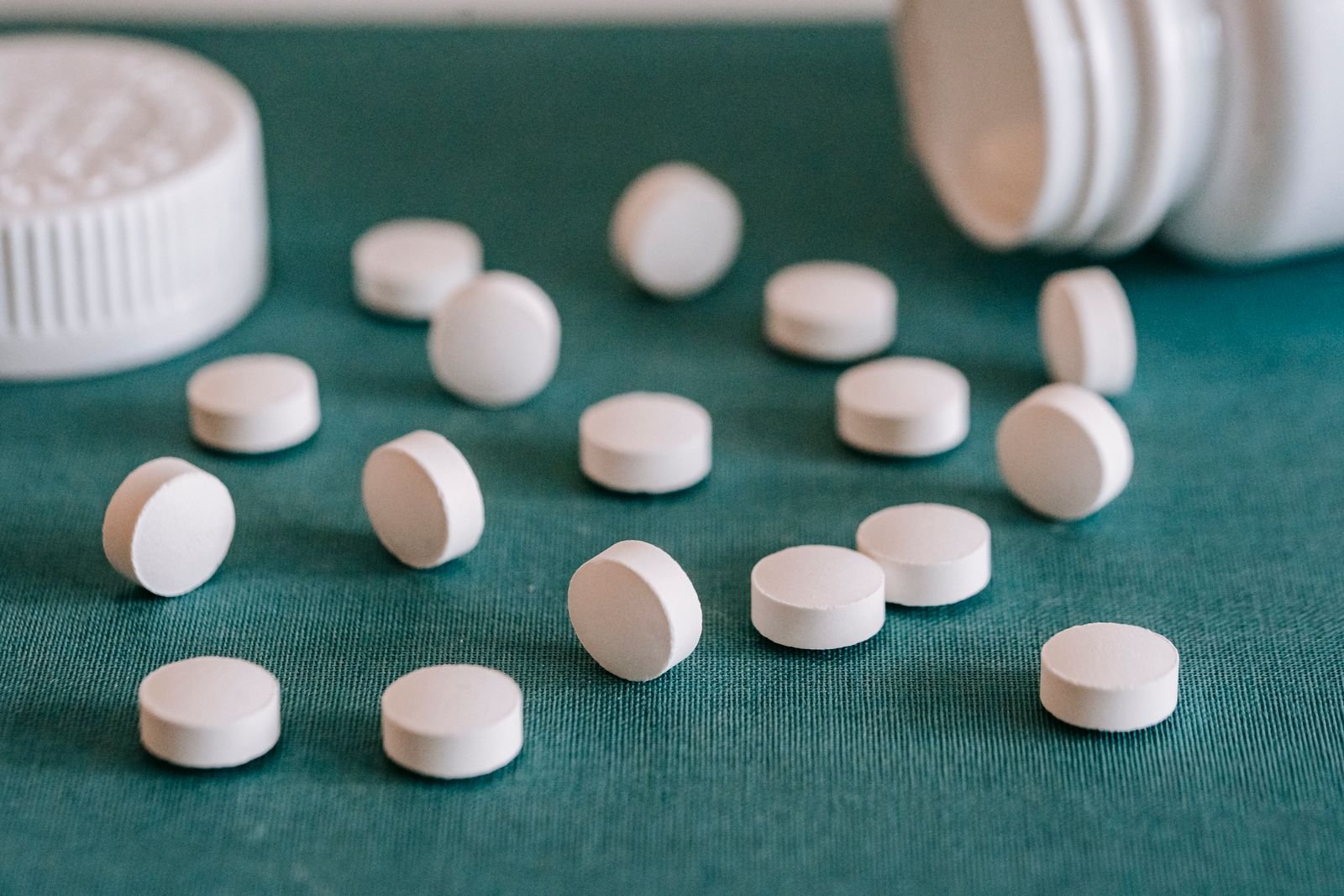
You May Not Need Two Separate Bottles
Most articles on this question explain that the combination is safe and stop there. What they miss is the practical point many readers need. If you are asking whether you can take docusate and senna together, you may be able to simply buy one product that already contains both, rather than managing two bottles and two doses yourself.
A single combination tablet has real advantages. The ratio of the two ingredients is fixed at a standard, tested amount, so you are less likely to accidentally take too much of one. It is one product to remember, one label to follow, and often it costs less than buying two separate bottles, especially as a store brand. For someone who only needs help occasionally, a small bottle of senna-S is often the simplest answer.
There are also times when two separate products make more sense. Some people need more stool softening but very little stimulant, or want to use docusate daily while taking senna only when needed. Separate products let you adjust each ingredient independently. That is a reasonable approach, but it is also the situation where a quick check with a pharmacist is most useful, since doses need to be planned rather than guessed.
In South Fork Pharmacy’s experience, people often come in having bought a combination product and a separate softener without realizing the overlap. A short look at the labels usually sorts it out, and sometimes saves money.
How To Take Them Together Safely
Follow the dose on the label of the product you are using, since strengths differ. For a typical combination tablet, adult labels commonly suggest starting with two tablets once a day, often at bedtime, with a stated maximum per day. Start at the lower end, since many people find a lower dose works without cramping. If you are taking two separate products, follow each label and do not exceed either maximum.
Take the tablets with a full glass of water, and keep drinking fluids during the day. Softeners work by drawing water into the stool, and dehydration works against them. Adding fiber from food, staying active, and responding to the urge to go rather than waiting all help the combination work with less medicine.
Expect a result within about six to twelve hours from the senna, though it varies. Mild cramping can happen. Stop and contact a doctor if you have rectal bleeding, if you have no bowel movement after using a laxative, or if you need a laxative for more than a week. Those are signs to look at the cause rather than keep treating the symptom.
A realistic timeline helps set expectations. Many people have a bowel movement the morning after a bedtime dose, though some need two or three days of use before things settle into a comfortable rhythm. Once stools are soft and regular again, the goal is usually to taper off rather than keep taking the combination indefinitely. If you notice loose stools or diarrhea, that is a sign you are taking more than you need, and it is reasonable to reduce the dose within the label’s range or pause. If you are unsure how to step down, a pharmacist can help you plan it.
Opioid pain medicine deserves a special mention. People taking opioids after surgery or for chronic pain very often become constipated, and the senna and docusate combination is commonly used alongside those medicines, sometimes on a regular schedule rather than occasionally. That is a situation where your doctor or pharmacist should set the plan, since the usual one-week OTC limit may not apply in the same way.

When To Ask A Pharmacist First
Check with a pharmacist or doctor before using this combination if you take prescription medicines, especially heart medicines, diuretics, or anything where electrolytes like potassium matter. Stimulant laxatives can shift fluid and electrolytes with heavy use, which can be important for those medicines. Also mention it if you take mineral oil, for the reason noted above.
Ask first if you are pregnant or breastfeeding. Short-term use is sometimes recommended in pregnancy, but a doctor should guide the choice. People with a sudden change in bowel habits lasting more than two weeks, stomach pain with nausea or vomiting, a bowel condition such as Crohn’s disease or ulcerative colitis, or a history of bowel obstruction should also get advice before taking any laxative.
Children need age-appropriate dosing and products, so do not give an adult combination tablet to a child without checking. Our guide to laxatives for kids covers that topic. Never start, stop, or change a prescription medication because of a laxative. Ask your doctor or pharmacist. You can reach our team through our pharmacy services page, and more reading is available in our medication information section.
Not sure whether a combination tablet or two separate products makes more sense for you? Stop by South Fork Pharmacy at 732 N Main St in Moorefield, and our pharmacist will look at what you already have at home and help you choose.
Frequently Asked Questions
Can I take a stool softener and senna at the same time?
Yes, for most adults this is a common, well-established combination for occasional constipation. Follow the label dose and check with a pharmacist if you take other medicines.
Is Senokot-S the same as docusate and senna?
Yes. Senokot-S contains both senna and docusate sodium in one tablet, so taking it is the same as taking the two ingredients together.
How long does docusate and senna take to work?
The senna usually produces a bowel movement within about six to twelve hours. Docusate’s softening effect builds over one to three days.
Can I take docusate and senna every day?
OTC labels advise against using a laxative for more than about a week without a doctor’s advice. If you need it regularly, talk with your doctor about the cause.
Will docusate and senna cause cramps?
Mild cramping is possible because senna stimulates the bowel. Starting with a lower dose and drinking plenty of water often helps, and the pharmacists at South Fork Pharmacy can suggest adjustments.
Disclaimer: The information in this article is for educational purposes only and is not a substitute for individualized medical advice, diagnosis, or treatment from a pharmacist or doctor. Product formulations vary, so always follow the label on your package. If you think you may be experiencing a medical emergency, call 911 immediately. South Fork Pharmacy, Moorefield, West Virginia.