
Quick Answer: “D-amphetamine salt combo” is the generic name for the same medication sold under the brand name Adderall, a mix of four amphetamine salts used to treat ADHD and narcolepsy. It is a Schedule II controlled substance under the DEA, meaning it has a recognized medical use alongside a high potential for abuse and dependence, and it carries an FDA boxed warning about that risk. The active ingredients and amounts are identical to brand Adderall; what can differ are the inactive ingredients, like fillers and dyes, and the pill’s appearance.
D-Amphetamine Salt Combo: What It Is and How It Differs From Regular Adderall
Picking up a new prescription and seeing “d-amphetamine salt combo” printed on the bottle instead of “Adderall” is a common source of confusion. It looks like a different medication. It isn’t, but understanding exactly what is and isn’t different is worth a few minutes, especially for a medication with this level of regulatory oversight.
This article covers what d-amphetamine salt combo actually is, how it compares to brand-name Adderall, and the serious warnings that come with any amphetamine medication. South Fork Pharmacy in Moorefield can answer specific questions about your prescription in person.
What Is D-Amphetamine Salt Combo and What Is It Used For?
D-amphetamine salt combo, also written as “amphetamine salt combo” or by its full name, mixed salts of a single-entity amphetamine product, is the generic version of Adderall. It combines four amphetamine salts, dextroamphetamine saccharate, amphetamine aspartate monohydrate, dextroamphetamine sulfate, and amphetamine sulfate, in a fixed ratio that favors the dextro form of amphetamine. It’s FDA-approved to treat attention-deficit hyperactivity disorder (ADHD) and narcolepsy. It is a Schedule II controlled substance under the federal Controlled Substances Act, the same classification as brand-name Adderall, reflecting its recognized medical uses alongside a high potential for abuse and severe psychological or physical dependence.
How Does It Work, and How Is It Different From Brand Adderall?
Amphetamines work in the central nervous system by increasing the activity of certain brain chemicals, primarily dopamine and norepinephrine, which is thought to improve focus, attention, and impulse control in people with ADHD, and to promote wakefulness in people with narcolepsy. At the molecular level, generic d-amphetamine salt combo and brand-name Adderall are the same drug: identical active ingredients, in identical amounts, in the same salt ratio. FDA bioequivalence standards require a generic to deliver the active ingredient within a defined range of the brand’s absorption rate, close enough that it’s considered therapeutically equivalent for virtually all patients.
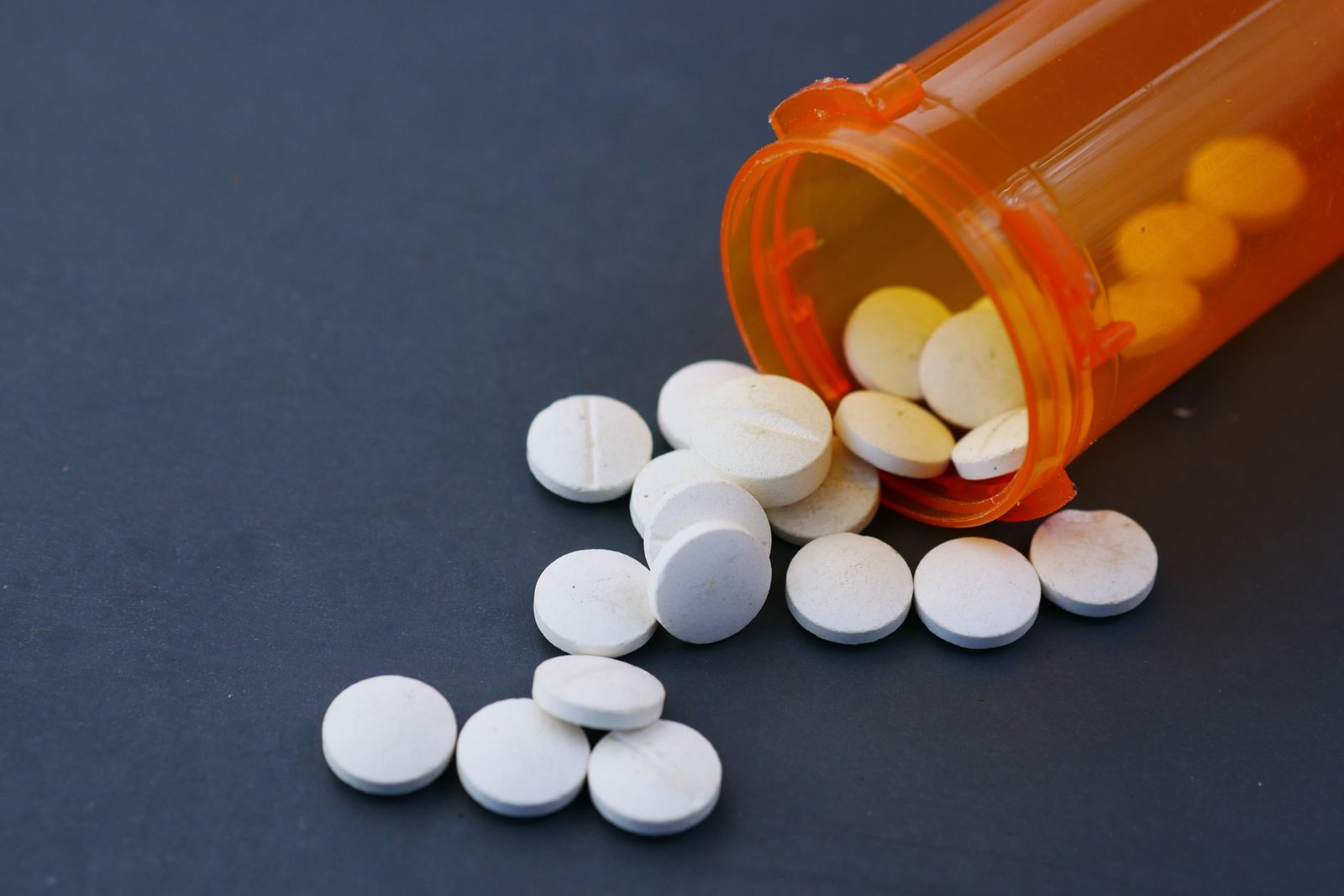
What can differ between brand and generic, and even between different generic manufacturers, are the inactive ingredients: the binders, fillers, and dyes that don’t affect the drug’s mechanism but do affect the pill’s appearance, and rarely, how an individual person tolerates it if they’re sensitive to a specific inactive ingredient. This is why a generic tablet might look completely different from the brand, and why switching manufacturers between refills sometimes means a different-looking pill with the same medication inside.

How to Take D-Amphetamine Salt Combo
This medication is taken exactly as your doctor prescribes, typically in the morning, since taking it too late in the day commonly causes trouble sleeping. It should never be stopped abruptly after regular use without your doctor’s guidance, since doing so can cause significant fatigue and low mood as the body adjusts. Never adjust your own dose, take it more often than prescribed, or share it with anyone else, given both the abuse potential and the serious risk of diversion. Your pharmacist or prescribing physician will determine the correct dose and schedule for your situation; this is not a medication to self-titrate.
Side Effects
Common Side Effects
Decreased appetite, trouble sleeping, dry mouth, and headache are commonly reported. Some people notice increased heart rate, nervousness, or irritability, especially early in treatment or after a dose change.
Serious Side Effects That Require Immediate Attention
Call 911 or seek emergency care immediately for chest pain, fainting, or symptoms suggesting a heart problem, since misuse or overuse of amphetamines has been linked to sudden death and serious cardiovascular events, including heart attack, in both adults and children with underlying heart conditions. Contact a doctor promptly for signs of a manic or psychotic episode, including new or worsening aggression, hallucinations, or unusual suspiciousness, even at a typically prescribed dose. Circulation problems in the fingers or toes, such as numbness, pain, or color change (which can indicate a rare but serious condition), also need prompt medical attention. Seek help right away if you or someone you know shows signs of significant misuse or overdose, including severe agitation, rapid or irregular heartbeat, extremely high body temperature, or loss of consciousness.
Warnings and Precautions
FDA Black Box Warning: Amphetamines have a high potential for abuse. Administration of amphetamines for prolonged periods of time may lead to drug dependence and must be avoided. Particular attention should be paid to the possibility of subjects obtaining amphetamines for non-therapeutic use or distribution to others, and the drugs should be prescribed or dispensed sparingly. Misuse of amphetamine may cause sudden death and serious cardiovascular adverse events, including vasospasm, heart attack, or aortic dissection.
This medication is contraindicated in anyone taking a monoamine oxidase inhibitor (MAOI) or within 14 days of stopping one, due to the risk of a dangerous interaction, and in anyone with a known hypersensitivity to amphetamine products. Because of its stimulant effect, it carries real cardiovascular precautions for anyone with existing heart disease or structural heart problems, and it should generally not be used in patients with these conditions except under close physician oversight. It also has the potential to worsen symptoms in people with pre-existing psychiatric conditions, including bipolar disorder, and can, rarely, trigger new psychotic or manic symptoms in patients with no prior history. Tell your doctor about your complete health history, including any heart, blood pressure, thyroid, seizure, glaucoma, or psychiatric conditions before starting.
| Brand Adderall | D-Amphetamine Salt Combo | |
|---|---|---|
| Active Ingredients | Same 4-salt mix | Same 4-salt mix |
| DEA Schedule | Schedule II | Schedule II |
| Inactive Ingredients | Manufacturer-specific | May differ by manufacturer |
| Appearance | Consistent | Can vary between refills |
Who Should Not Take This Medication
Anyone with a known amphetamine allergy, anyone taking or within 14 days of stopping an MAOI, and anyone with a history of drug abuse should discuss these specific risk factors with their doctor before starting. It generally isn’t appropriate for people with significant existing heart disease, structural heart abnormalities, moderate to severe high blood pressure, hyperthyroidism, or glaucoma without careful physician evaluation. It’s not a medication to start, stop, or share informally; it should only be used by the person it was prescribed for, at the prescribed dose, under a doctor’s ongoing supervision.
Storage and Disposal
Because this is a Schedule II controlled substance, store it securely, ideally in a locked cabinet or lockbox, out of reach of anyone it wasn’t prescribed for, including household members and visitors. Keep track of your quantity, since federal and state law treat diversion of this medication seriously. Never dispose of unused amounts in household trash; use a DEA-authorized drug take-back location, which is the recommended disposal method for any controlled substance. South Fork Pharmacy can point you to the nearest one, or you can search one yourself at deadiversion.usdoj.gov/drug_disposal/takeback.
Helpful Resources
- accessdata.fda.gov — the full FDA prescribing information for Adderall, including the boxed warning.
- medlineplus.gov — NIH consumer drug information on dextroamphetamine and amphetamine combinations.
- deadiversion.usdoj.gov — the DEA’s National Prescription Drug Take Back program locator.
If you have questions about your specific prescription, a pharmacy switch between manufacturers, or safe storage, the pharmacists at South Fork Pharmacy in Moorefield are glad to help.
Frequently Asked Questions
Is d-amphetamine salt combo weaker than brand Adderall?
No, it contains the same active ingredients in the same amounts and is held to FDA bioequivalence standards. Some patients report a subjectively different feel when switching between brand and generic, or between generic manufacturers, which is generally attributed to differences in inactive ingredients or absorption within the allowed bioequivalence range rather than a real difference in strength. If you notice a meaningful change in how the medication works after a pharmacy or manufacturer switch, tell your doctor and pharmacist.
Why does my generic pill look different than last time?
Pharmacies sometimes receive generic stock from different manufacturers, and each manufacturer’s tablet can have a different shape, color, or marking based on their specific inactive ingredients, even though the active drug is the same. This is normal and not a sign of an error, though it’s understandably confusing. If you want to confirm what you received matches your prescription, your pharmacist can verify it for you.
Why is this medication controlled so strictly?
Amphetamines are classified as Schedule II because, alongside their real medical benefit for ADHD and narcolepsy, they carry a high potential for abuse and can lead to significant psychological or physical dependence with prolonged use. That’s why the FDA requires a boxed warning, the DEA limits how prescriptions are written and refilled, and pharmacies track dispensing closely. Your prescriber and pharmacist are following these rules to keep the medication safe and available for its intended medical use.
What should I do if I miss a dose?
Follow your doctor’s specific instructions for a missed dose, and don’t double up without checking first, given the cardiovascular and dependence-related risks of this medication class. If you’re regularly missing doses or unsure what to do, that’s worth a direct conversation with your prescribing doctor or pharmacist rather than guessing.
Can I drink caffeine or energy drinks while taking this medication?
Combining a stimulant medication with additional caffeine can compound effects like increased heart rate, jitteriness, and trouble sleeping. It’s worth discussing your typical caffeine intake with your doctor when starting treatment, and being cautious about high-caffeine energy drinks in particular. Your doctor or pharmacist can advise on what’s reasonable for your specific situation.
What if I think I or a family member is developing a problem with this medication?
Talk to the prescribing doctor as soon as possible; signs like needing more to get the same effect, using it outside of prescribed circumstances, or difficulty functioning without it are worth addressing directly and promptly rather than managing alone. This is a real and recognized risk with this medication class, not a moral failing, and doctors have experience helping patients navigate it safely. If it’s an urgent safety concern, don’t wait for a scheduled appointment; call the office or seek care sooner.
Disclaimer: The information in this article is for educational purposes only and is not a substitute for professional medical advice, diagnosis, or treatment. Always seek the guidance of your physician, pharmacist, or other qualified health provider with any questions about a medication or medical condition. Never disregard professional medical advice or delay seeking it because of something you have read here. If you think you may be experiencing a medical emergency, call 911 immediately. Drug information changes regularly. Confirm current prescribing information with your pharmacist or physician. South Fork Pharmacy, Moorefield, West Virginia.