
People who should check with a doctor before using hydrocortisone hemorrhoid cream include anyone with a skin infection or open wound in the area, those with a known allergy to it, anyone with unexplained rectal bleeding, children under 12, and people who are pregnant or breastfeeding. Older adults, people with diabetes, and those already using other steroid products should be especially cautious with longer use.
Who Should Avoid Hydrocortisone Hemorrhoid Creams
Hydrocortisone is one of the most common ingredients in hemorrhoid creams, and for many adults using it briefly and as directed it is a reasonable choice. But it is not right for everyone, and the box does not always make clear who should pause before using it.
At South Fork Pharmacy in Moorefield, WV, we get questions from people who bought a hydrocortisone cream and only later wondered whether it was appropriate for them. This guide covers the specific situations where caution is warranted, why prolonged use is a bigger concern for some people, and, since most lists stop at “avoid it,” what people in these groups can talk to their pharmacist or doctor about using instead.
Who Should Check With A Doctor First
The first group is anyone with an existing skin infection or an open wound in the area. Hydrocortisone dampens the skin’s immune response, which is exactly why it calms itching, but it is also why it can allow bacterial, viral, or fungal infections to worsen or to be hidden. A cream applied to skin that is infected can make the problem harder to identify, and some rashes around the anus that look like hemorrhoid irritation are actually yeast or fungal infections that steroids can make worse.
The second group is people with certain skin conditions in the area. If you have been diagnosed with a condition such as psoriasis, eczema, or a fungal skin problem near the anus, ask before using a steroid there, since the right treatment may be very different from a hemorrhoid product. The same goes for anyone who has never had the area looked at and is guessing that hemorrhoids are the cause.
A third group is anyone with a known allergy or sensitivity to hydrocortisone or another ingredient in the product. Creams contain more than the active drug, including preservatives and fragrances that can trigger reactions, so read the inactive ingredient list as well.
Pregnancy and breastfeeding are also reasons to ask first. Hemorrhoids are very common in pregnancy, and a mild topical steroid used briefly is often considered acceptable, but that decision belongs to your doctor or pharmacist with your full history in hand. Finally, anyone who has rectal bleeding that has not been explained should be evaluated before using any hemorrhoid product, since a cream can hide a symptom that needs a proper look.
Why Prolonged Use Is A Concern For Some People
For anyone, hydrocortisone should be a short-term tool, generally no more than about seven days at a time. But the cost of overuse is not equal for everyone, and some people are more vulnerable to its downsides.
Older adults often have naturally thinner, more fragile skin, so the additional thinning that a steroid can cause matters more. People with diabetes tend to heal more slowly and may be more prone to skin infections, which makes any product that slows repair or masks infection a bigger concern. People who are using other topical steroids elsewhere on their body, or who take steroid medications by mouth or inhaler, are adding to a total steroid exposure, and that is worth mentioning so the pharmacist can look at the full picture. Anyone with a weakened immune system, whether from a condition or from medication, should also ask first, since a masked infection is more consequential for them.
None of this means these people can never use hydrocortisone. It means that the decision is better made with a pharmacist or doctor who knows their situation, and that the seven-day limit should be treated as a firm ceiling rather than a suggestion.
Children And Hydrocortisone Hemorrhoid Products
The label on most over-the-counter hydrocortisone products for the anal area is clear: they are intended for adults and children 12 and older, and for younger children you should ask a doctor first. The reason is that children absorb more medication through the skin relative to their body size, and their skin is more sensitive.
Hemorrhoids are uncommon in young children, so anal itching, soreness, or bleeding in a child is more often caused by something else, such as constipation, a small tear, diaper or skin irritation, or pinworms. That is another reason not to reach for a hemorrhoid cream on your own. If a child has these symptoms, a doctor or pediatrician is the right first call. A pharmacist can tell you whether an over-the-counter product is appropriate for the age on the label, but should not be a substitute for a medical opinion when a child is involved.
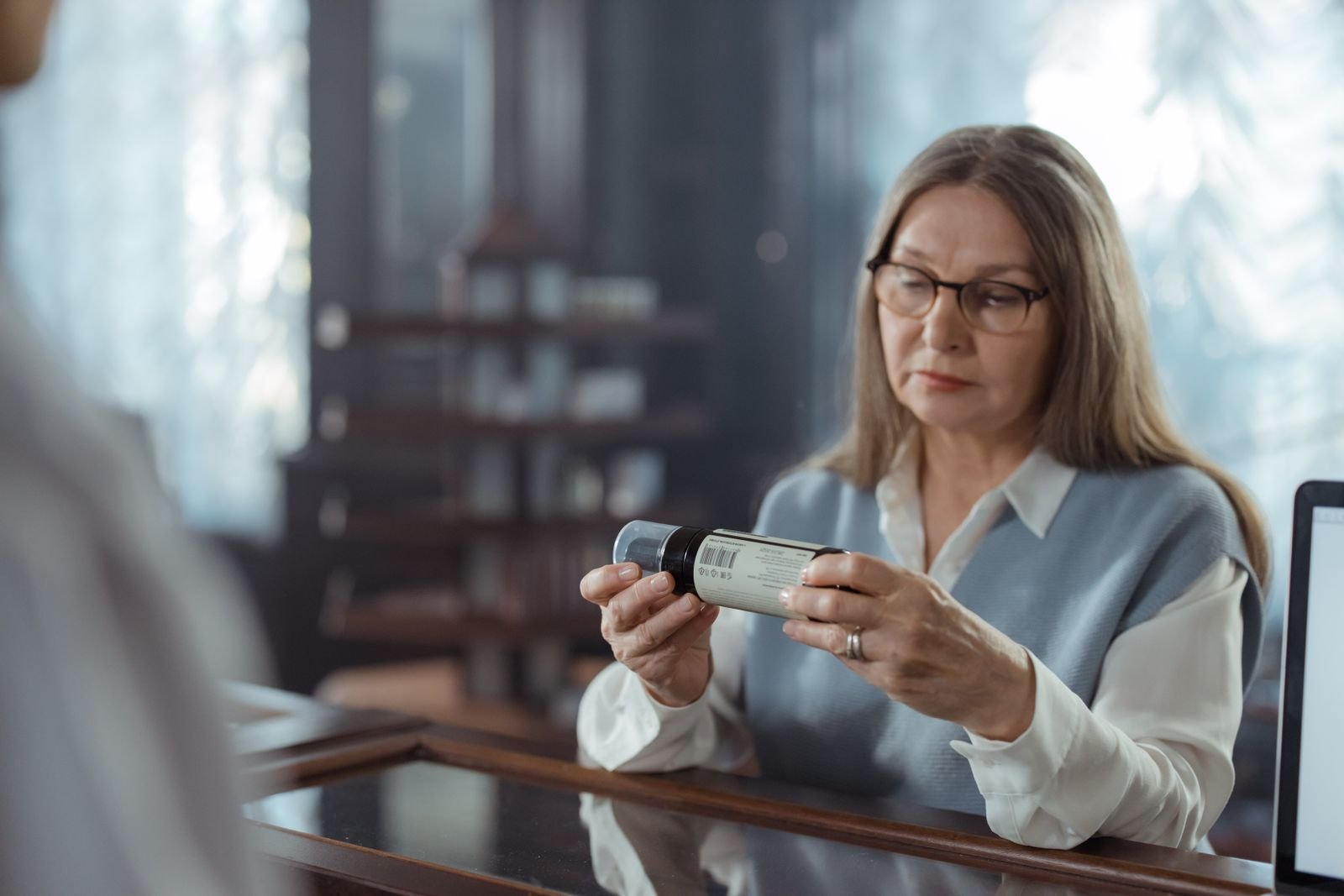
If Hydrocortisone Is Off The Table: What Are The Real Options
Most caution lists stop at who should avoid hydrocortisone and leave readers stranded with the same itch and no plan. The more useful question is what to do instead, and the answer depends on the symptom you were trying to treat.
If the main problem is pain or burning, a numbing ingredient such as lidocaine or pramoxine may be an option to raise with a pharmacist. These block nerve signals in the skin without acting on inflammation. If the main problem is raw, irritated skin, a plain protectant such as petrolatum, zinc oxide, or a cocoa butter based product forms a barrier that reduces friction and moisture without any steroid. If the main problem is swelling, some products contain a vasoconstrictor, though these come with their own cautions for people with heart conditions or high blood pressure.
Non-drug measures also matter and carry no steroid concerns. Softer, easier-to-pass stools reduce the straining that keeps hemorrhoids irritated, and warm sitz baths for ten to fifteen minutes can be soothing. Gentle cleaning with water rather than dry wiping helps, and avoiding fragranced products keeps the area calmer. None of these is a guaranteed fix, but each addresses the problem without adding a steroid.
Signs Of A Reaction To Stop Using It
Whoever you are, it is worth knowing what a bad reaction looks like. Stop using the cream and check with a pharmacist or doctor if you notice redness that is getting worse rather than better, a rash that is spreading beyond the area where you applied it, increased burning or pain after applying, swelling, hives, or blistering.
Also stop if the skin looks thin, shiny, or fragile, if small cracks or tears appear, or if the area starts to weep or develop a discharge, which may suggest an infection. Seek urgent care for signs of a serious allergic reaction, including swelling of the face or lips, trouble breathing, or widespread hives. If you think you may be having a medical emergency, call 911.
A subtler sign is a cream that seems to help at first and then stops working while the itch gets worse. That pattern can be a sign of an underlying problem such as a fungal or contact reaction, and it is worth a conversation rather than a second tube.

What To Use Instead
The practical answer is to ask a pharmacist to help you match a steroid-free product to your symptom. In our experience at South Fork Pharmacy, many people who cannot or should not use hydrocortisone do well with a barrier product for skin protection, or a numbing product for short-term pain, paired with the basics of soft stools and gentle cleaning. Many people find that these steps are enough for a mild flare, though results vary and no product can be promised to work.
If you are already using a prescription steroid for the area, or any other prescription, follow your prescriber’s directions and never stop, start, or change it on the advice of a website. Ask your doctor or pharmacist. For contact details and more, see our pharmacy services page and our medication information section.
And remember that a product swap is not a substitute for an evaluation. Symptoms that last more than about a week, bleeding, severe pain, or a hard lump call for a doctor, whichever cream you have been using.
Not sure whether hydrocortisone is right for you? Stop by South Fork Pharmacy at 732 N Main St in Moorefield and ask our pharmacist to review your product, your health history, and your options in a quick, private conversation.
Frequently Asked Questions
Is hydrocortisone hemorrhoid cream safe during pregnancy?
Many pregnant people ask this, since hemorrhoids are common in pregnancy. It is a decision to make with your doctor or a pharmacist, who can consider your full history before you use any steroid product.
Can I use hydrocortisone cream if I have diabetes?
It may be possible for short-term use, but people with diabetes heal more slowly and can be more prone to skin infections. Ask a pharmacist at South Fork Pharmacy or your doctor before using it, and stick to the seven-day limit.
Can children use hydrocortisone hemorrhoid cream?
Most labels say not for children under 12 without asking a doctor. Anal symptoms in a child usually have another cause, so a doctor should look at it first.
What if I have a rash around my anus that is not hemorrhoids?
Some rashes there are fungal or yeast infections, which a steroid can make worse. Have it checked before using a hemorrhoid cream on it.
Can I use hydrocortisone with other steroid creams?
It is best to ask first, since using several steroid products adds up. Tell the pharmacist about everything you use, including creams for other parts of the body.
What can I use if I should not use hydrocortisone?
Options include barrier products, numbing products for pain, and non-drug steps like soft stools and warm sitz baths. A pharmacist can match one to your symptoms.
Disclaimer: The information in this article is for educational purposes only and is not a substitute for individualized medical advice, diagnosis, or treatment from a pharmacist or doctor. Whether hydrocortisone is appropriate for you depends on your health history and should be decided with a healthcare professional. If you think you may be experiencing a medical emergency, call 911 immediately. South Fork Pharmacy, Moorefield, West Virginia.