
Aloe gel may offer mild, soothing relief for hemorrhoid itching and irritation, but the clinical evidence specifically supporting aloe for hemorrhoids is limited and mostly anecdotal rather than strongly established. Pure aloe vera gel is the safer choice over scented or additive-containing aloe lotion products, which can irritate already sensitive tissue.
Can Aloe Gel Help With Hemorrhoids?
Aloe gel for hemorrhoids gets recommended constantly in natural remedy circles, often presented with more confidence than the actual evidence behind it supports. It is not a baseless suggestion, aloe does have real, documented soothing properties for skin generally, but the specific claim that it treats hemorrhoids deserves a more honest, measured look than most natural remedy content gives it.
Part of aloe’s appeal is understandable beyond just its reputation, it is inexpensive, widely available, and feels like a gentler option than reaching for a medicated cream, which matters to a lot of people managing a sensitive, uncomfortable condition they would rather treat as simply as possible. None of that makes it ineffective, but wanting a gentle, natural option and having solid evidence that option works are two different things worth keeping separate when deciding how much to rely on it.
What The Evidence Actually Says About Aloe For Hemorrhoids
The research specifically testing aloe vera for hemorrhoid symptoms is limited in both quantity and quality, consisting mostly of small studies and considerable anecdotal reporting rather than the kind of large, well-controlled clinical trials that back ingredients like phenylephrine or hydrocortisone for this specific use. Some smaller studies have reported aloe reducing pain and swelling in external hemorrhoids, but the overall body of evidence is nowhere near as robust as what supports the handful of ingredients the FDA’s OTC hemorrhoidal monograph actually recognizes.
This does not mean aloe does nothing, its anti-inflammatory and soothing properties for skin generally are reasonably well documented outside the hemorrhoid-specific context, in burns and minor skin irritation for example. It means the honest answer to “does aloe help hemorrhoids” is “possibly, mildly, based on limited evidence,” rather than the confident “yes, it works” framing a lot of natural remedy articles present without qualification.
It is also worth noting that a lot of the enthusiasm for aloe in hemorrhoid care comes from its broader reputation in skin care generally, burns, sunburn, minor cuts and irritation, rather than research conducted specifically on hemorrhoidal tissue. General skin-soothing properties do not automatically transfer one-to-one to a condition involving swollen veins in a more sensitive, mucosal-adjacent area, which is part of why the evidence gap matters more here than it might for a more straightforward skin irritation.
How People Use It
Pure aloe vera gel is typically applied directly to the external affected area, sometimes chilled or refrigerated beforehand for an additional cooling effect on top of aloe’s own mild soothing properties. Some people use aloe straight from a live plant, breaking off a leaf and applying the gel directly, while others use a commercially packaged pure aloe gel product, both approaches being reasonable as long as the source is genuinely pure aloe without added irritants.
Application is generally as needed for comfort, with no strict frequency limit the way a medicated product would carry, since plain aloe is not an active drug ingredient in the same regulatory sense. That said, “no strict limit” does not mean unlimited, and any product, including aloe, that seems to be causing more irritation rather than less with continued use should be stopped.
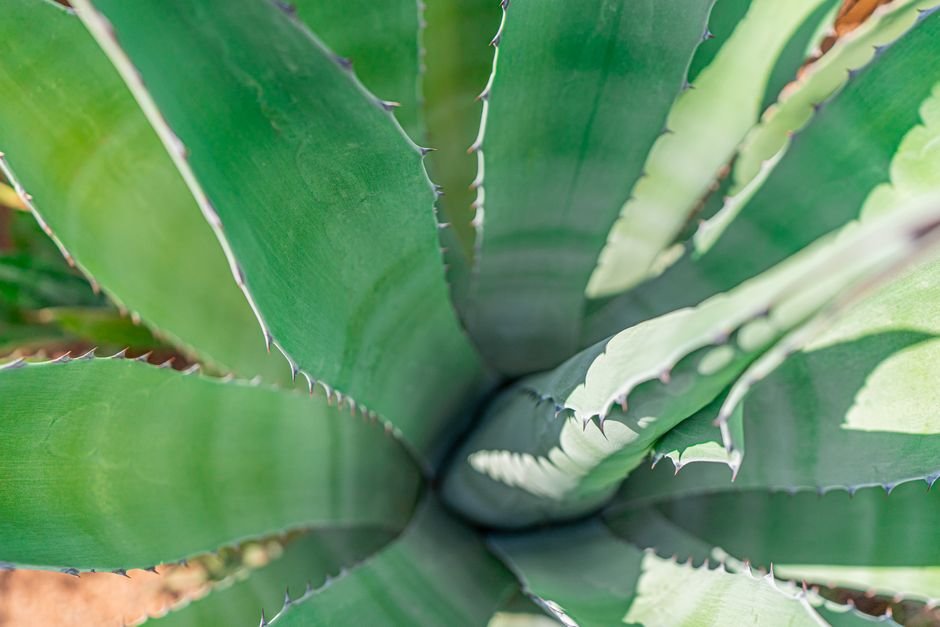
For anyone using a live plant as the source, checking that it is genuinely aloe vera, rather than a similar-looking ornamental succulent, matters, since not every aloe-family plant sold as decorative is safe or appropriate for topical use. A commercially packaged pure aloe gel product removes that guesswork and is generally the more reliable choice unless the plant’s identity is confirmed. When in doubt about a home plant’s identity, buying a labeled, pure aloe vera product is the simpler and safer route.
Pure Aloe Vs Aloe-Added Products: Why It Matters
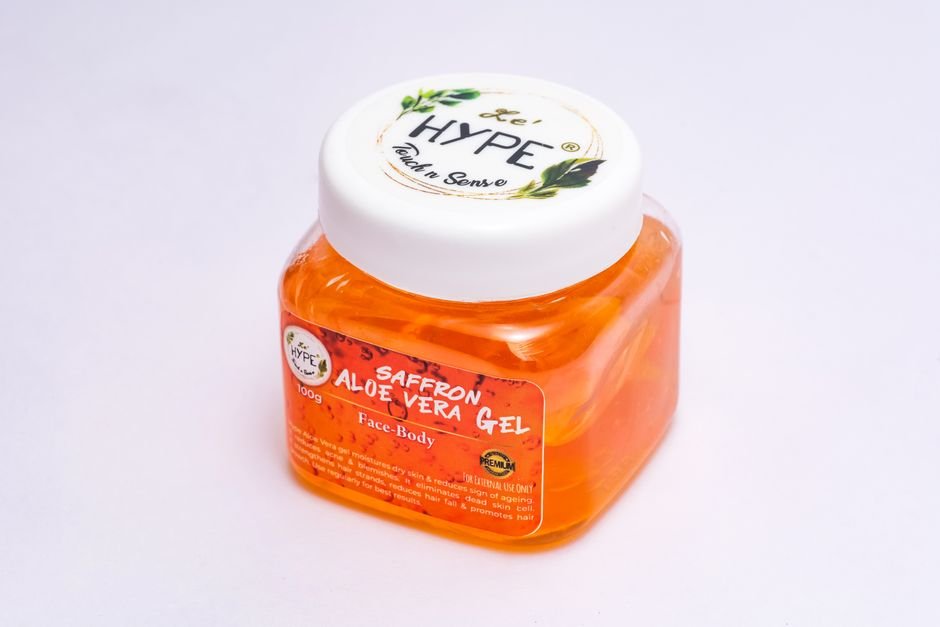
A significant, often overlooked distinction sits between pure aloe vera gel and commercial products that list aloe as one ingredient among many, often alongside fragrance, alcohol, dyes, or preservatives that can irritate already-sensitive anorectal tissue. A product marketed with “aloe” prominently on the label is not automatically the same as pure aloe gel, and the added ingredients in some commercial “aloe” lotions can cause more irritation than the aloe itself is soothing.
Reading the full ingredient list, rather than trusting front-of-package marketing, is the only reliable way to know whether a product is genuinely close to pure aloe or a heavily formulated lotion using aloe as a selling point. For hemorrhoid use specifically, a short ingredient list with aloe vera gel near the top and no added fragrance or alcohol is the safer choice over a longer, more complex formula.
Percentage of actual aloe content is another detail worth checking when it is listed, since many commercial “aloe gel” products are mostly water and thickening agents with a relatively small percentage of actual aloe vera extract. A higher-percentage pure aloe gel, sometimes labeled as 99 or 100 percent aloe vera, is closer to what was used in the limited research on this topic than a heavily diluted lotion marketed primarily for its scent or texture rather than its aloe content.
An Honest Evidence Check Most Natural Remedy Articles Skip
Most natural remedy content presents aloe as an effective hemorrhoid treatment without acknowledging how thin the actual evidence base is, which does readers a disservice by setting expectations the ingredient may not be able to meet. The more accurate, complete picture is that aloe has plausible soothing properties based on its general use in skin care, some limited and mixed evidence specific to hemorrhoids, and none of the strong, FDA-monograph-level evidence that ingredients like phenylephrine or hydrocortisone have for this specific condition.
That is a meaningfully different claim than “aloe treats hemorrhoids,” and it is worth stating plainly rather than letting enthusiasm for a natural option outpace what the research actually supports. Many people find aloe gel a pleasant, low-risk addition to a broader hemorrhoid care routine, which is a reasonable way to use it, distinct from relying on it as the primary or sole treatment for a real flare.
It is worth contrasting this with how the FDA’s OTC hemorrhoidal drug monograph came together in the first place, through review of the available clinical evidence for specific ingredients and specific claims. Aloe was not part of that review process in the way phenylephrine, hydrocortisone, and the various anesthetic ingredients were, which is exactly why it does not appear as a recognized active ingredient on OTC hemorrhoid product labeling the way those ingredients do, not because it was tested and rejected, but because it was never put through that same formal evaluation for this specific use.
What Aloe Can’t Do
Aloe does not have proven anti-inflammatory potency comparable to hydrocortisone, and it does not have a documented vasoconstrictor or swelling-reduction effect the way phenylephrine does. It is not going to meaningfully shrink a swollen hemorrhoid or resolve significant inflammation, and expecting it to do so is likely to lead to disappointment during a real flare where those specific effects are what is actually needed.
It also does nothing for the underlying causes of hemorrhoids, chronic straining, low fiber intake, or prolonged sitting, the same limitation that applies to essentially every topical hemorrhoid product regardless of ingredient. Aloe’s role, at best, is comfort and mild soothing alongside those bigger-picture changes, not a substitute for them.
This is not a knock on natural remedies generally, plenty of home care measures, a sitz bath, adequate hydration, and increased fiber among them, have genuine, well-supported roles in hemorrhoid care. Aloe simply is not one of the more strongly evidenced ones among them, and being clear about that distinction helps set realistic expectations rather than assuming every natural or home remedy carries equal supporting evidence.
When To Use Something With Proven Ingredients Instead
For a flare involving real pain, noticeable swelling, or persistent itching that pure aloe is not touching after a reasonable trial, switching to an ingredient with stronger, more specific evidence, hydrocortisone for inflammation, phenylephrine for swelling, or lidocaine or pramoxine for pain, is the more reliable path to relief. Aloe can still be used alongside these for its mild comfort effect, it does not need to be abandoned entirely, just recognized as a supporting player rather than the main treatment.
The goal here is simply an accurate picture rather than dismissing a genuinely popular, low-risk option out of hand. Aloe can be a pleasant part of a hemorrhoid care routine for many people, it just should not carry the weight of being the only strategy when symptoms call for more.
A reasonable trial period is about three to four days of consistent aloe use for mild symptoms. If comfort has genuinely improved by then, continuing makes sense. If symptoms are unchanged, worsening, or were never more than mildly bothersome to begin with, that is the point to add or switch to an ingredient with stronger evidence behind it rather than waiting longer on aloe alone.
Ask South Fork Pharmacy’s pharmacist which proven ingredient to reach for if aloe alone is not cutting it for your symptoms. The pharmacy carries both natural and medicated hemorrhoid care options and can help build a routine that actually addresses what you are dealing with, with free delivery available Tuesdays and Thursdays within Moorefield town limits.
Frequently Asked Questions
Does aloe vera actually shrink hemorrhoids?
There is no strong evidence that aloe shrinks hemorrhoidal tissue the way a phenylephrine-based cream does. Its main documented benefit is mild soothing comfort, based on limited evidence specific to hemorrhoids.
Is it safe to apply aloe straight from a plant to a hemorrhoid?
Pure aloe gel from a plant is generally considered safe for external use, but make sure to use the clear inner gel and avoid the yellowish latex layer just under the skin, which can be irritating. If irritation occurs, stop use and switch to a commercial pure aloe product instead.
Can I use aloe gel and a hydrocortisone cream together?
Many people use them at different times of day without issue, but ask a pharmacist before combining products regularly, especially during an active flare where the skin is more sensitive than usual.
Why does everyone online say aloe works for hemorrhoids if the evidence is limited?
Aloe has a long history of anecdotal use for skin soothing generally, which gets carried over into hemorrhoid advice even though the hemorrhoid-specific research is thinner than that reputation suggests. It may still help mildly, just not to the degree some natural remedy sources imply.
Is store-bought aloe gel as good as gel from a real plant?
A pure, high-percentage aloe vera gel product without added fragrance or alcohol can work similarly to fresh plant gel. Check the ingredient list to confirm it is genuinely close to pure aloe rather than a heavily diluted or additive-heavy lotion.
Disclaimer: The information in this article is for educational purposes only and is not a substitute for professional medical advice, diagnosis, or treatment from a pharmacist or doctor. Evidence for aloe vera’s effectiveness specifically for hemorrhoids is limited, and it is not a substitute for proven treatments when symptoms are significant. If you think you may be experiencing a medical emergency, call 911 immediately. South Fork Pharmacy, Moorefield, West Virginia.