
Quick Answer: Venelex is a prescription topical ointment containing balsam Peru and castor oil, used to help manage chronic and acute wounds like pressure ulcers, venous stasis ulcers, diabetic ulcers, and surgical wounds. Doctors prescribe it to support the wound-healing environment, not to treat an infection on its own. It requires a prescription and is meant to be used under a physician’s direction.
Venelex: What It Is and Why Doctors Prescribe It for Wound Care
Chronic wounds, the kind that come with diabetes, poor circulation, or being bedridden for an extended period, don’t heal the way a simple cut does. They need consistent, specific care over weeks or months, and doctors often prescribe topical products most patients have never heard of before. Venelex is one of those names that shows up on a prescription bottle with very little explanation attached.
This article covers what Venelex actually is, how it’s thought to help wounds heal, and what to know about using it correctly. South Fork Pharmacy in Moorefield can also walk through your specific prescription and wound care routine in person.
What Is Venelex and What Is It Used For?
Venelex is a prescription topical wound dressing ointment. Its active ingredients are balsam Peru and castor oil USP, combined in a base of glyceryl monostearate and white petrolatum. It’s indicated for the topical management of chronic and acute wounds and dermal ulcers, including Stage I through IV pressure ulcers, venous stasis ulcers, diabetic ulcers, first and second degree burns, surgical wounds, traumatic wounds, superficial wounds, arterial insufficiency ulcers, and grafted wound or donor sites. It is a prescription-only (Rx) product and is not a controlled substance, so it carries no DEA schedule.
How Does Venelex Work?
The two active ingredients work through different mechanisms. Balsam Peru is thought to act as a mild capillary bed stimulant, helping increase local blood flow to the wound site, and has some mild bactericidal action as well. Castor oil is thought to help protect the wound bed and improve epithelialization, the process of new skin cells forming and covering a wound, in part by reducing premature drying and hardening of the wound surface. Together, they’re intended to support an environment conducive to healing, alongside the rest of a wound care plan your doctor sets, rather than being a standalone cure.
How to Take Venelex
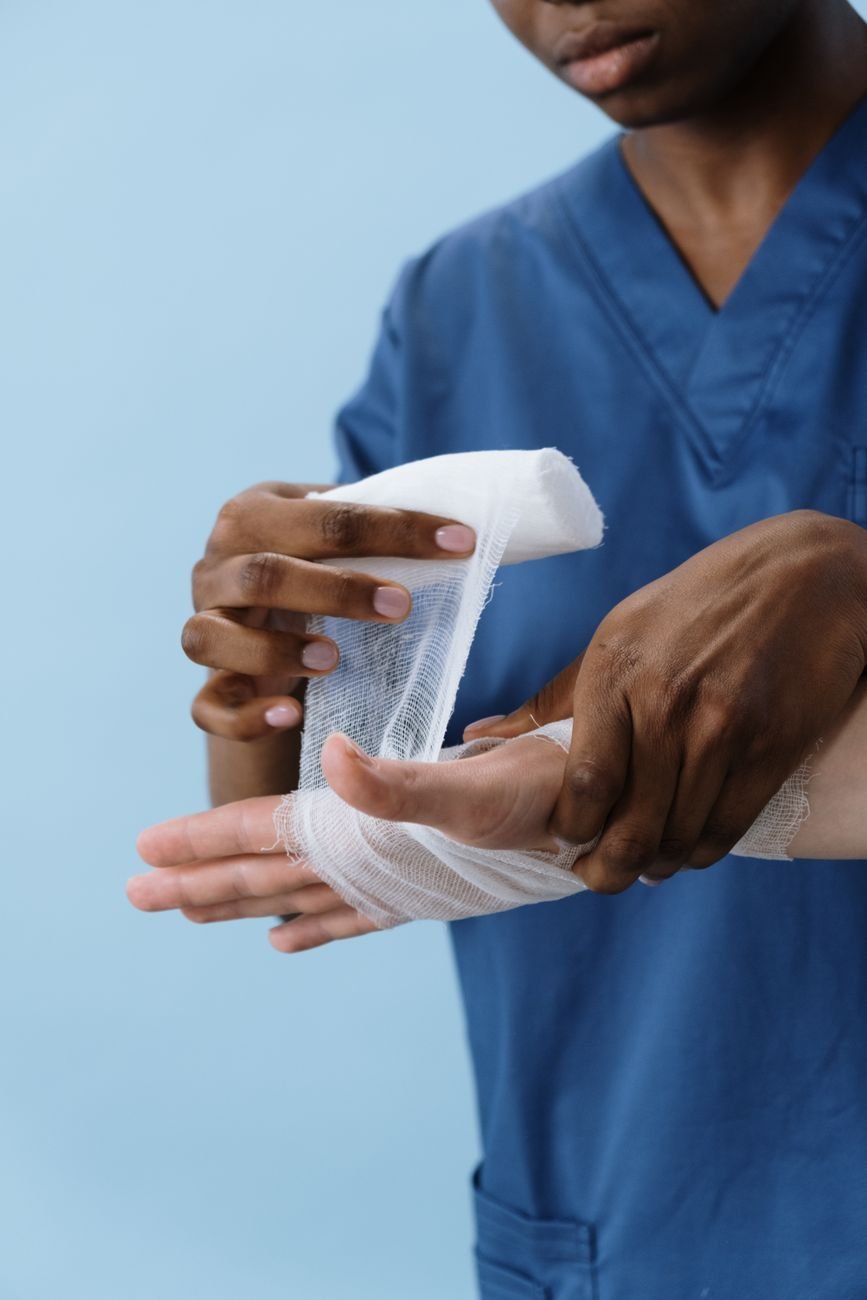
Venelex is applied as a thin film directly to the wound, a minimum of twice daily or as often as directed. Depending on the wound and your doctor’s plan, it may be left unbandaged or covered with an appropriate dressing. It’s typically removed with a wound cleanser rather than water alone, per your provider’s specific instructions. This is meant to be used exactly as your doctor directs for your specific wound, not adjusted on your own. Your pharmacist or prescribing physician will determine the correct frequency and application method for your situation.
Side Effects
Common Side Effects
A temporary stinging sensation can occur when applying Venelex to a sensitive area, which the label itself notes as an expected possibility. This is generally brief and not a reason to stop use on its own.
Serious Side Effects That Require Immediate Attention
Contact your doctor if you notice signs of an allergic reaction, including significant rash, swelling, or worsening irritation at the application site, since hypersensitivity to balsam Peru or petrolatum is a known possibility. Also contact your doctor if the wound appears to be worsening, showing increased redness, warmth, swelling, drainage, odor, or fever, any of which can signal an infection that needs separate treatment beyond what Venelex addresses. Chronic wounds should be monitored closely by your care team, and any sudden change is worth reporting promptly rather than waiting for a scheduled follow-up.
Warnings and Precautions
Venelex does not carry an FDA black box warning. It is for external use only and should not be applied to fresh arterial clots. Avoid contact with the eyes. It’s contraindicated in anyone with a known hypersensitivity to balsam Peru, petrolatum, or any other ingredient in the formulation. The label also notes that wounds may heal poorly in patients with hemoglobin or zinc deficiency, which is a reminder that wound healing often depends on factors beyond the topical product itself, including nutrition. Because Venelex is meant to be used under physician direction, tell your doctor about your full medication list and any other wound care products you’re using so they can watch for anything that might interfere with healing.
| Ingredient | Role |
|---|---|
| Balsam Peru | Supports local circulation, mild antibacterial action |
| Castor Oil USP | Protects wound bed, supports epithelialization |
Who Should Not Take Venelex
Anyone with a known allergy to balsam Peru, petrolatum, or other ingredients in the formulation shouldn’t use it. It shouldn’t be applied to fresh arterial clots. It’s not appropriate as a self-directed treatment; because it’s prescription-only and meant for use under a physician’s supervision, it should only be used according to your doctor’s specific wound care plan, not started or stopped on your own judgment.
Storage and Disposal
Store Venelex at room temperature, tightly closed, and away from children. As a prescription product, unused or expired Venelex is best disposed of through a formal take-back program rather than household trash; South Fork Pharmacy can point you to the nearest DEA Take Back location, or you can search one yourself at deadiversion.usdoj.gov/drug_disposal/takeback.
Helpful Resources
- dailymed.nlm.nih.gov — the official FDA drug label for Venelex ointment.
- medlineplus.gov — NIH overview of pressure sore treatment and wound care basics.
If you or a loved one has a new Venelex prescription and questions about how to use it alongside your overall wound care routine, stop by South Fork Pharmacy in Moorefield. We’re glad to walk through it with you.
Frequently Asked Questions
Is Venelex the same as an antibiotic ointment?
No. Venelex is not an antibiotic and isn’t intended to treat an active wound infection on its own. It’s meant to support the wound environment and healing process. If a wound shows signs of infection, your doctor will decide whether a separate antibiotic treatment is needed alongside or instead of Venelex.
How long does it take Venelex to help a wound heal?
Healing timelines vary enormously depending on the type and severity of the wound, the patient’s overall health, and how consistently the treatment plan is followed, so there’s no single expected timeframe. Chronic wounds often take weeks to months to show significant improvement. Your doctor or wound care team will track progress at follow-up visits and adjust the plan if healing isn’t progressing as expected.
Can I use Venelex without a prescription?
No, Venelex is a prescription-only product and is meant to be used under a physician’s direction as part of a broader wound care plan. If you have a wound you’re managing at home without a prescription, talk to a pharmacist or doctor about appropriate options rather than trying to source a prescription product without one.
Why does Venelex sting when I apply it?
A temporary stinging sensation on sensitive skin is a known, expected effect noted on the product’s own label, and it isn’t necessarily a sign of a problem. If the stinging is severe, doesn’t ease up, or comes with worsening redness or swelling, contact your doctor to make sure it isn’t a sign of irritation or an allergic reaction rather than the typical mild sting.
Can Venelex be used on a burn?
Venelex is indicated for first and second degree burns as part of its labeled uses. Burns still need to be evaluated by a doctor to determine severity and the right overall care plan, especially for anything beyond a very minor, superficial burn. Don’t use Venelex on a burn without your doctor’s specific direction, particularly for larger or deeper burns.
What should I do if my wound looks worse after starting Venelex?
Contact your doctor promptly if a wound looks worse, shows new redness, swelling, drainage, odor, or is accompanied by fever, rather than waiting to see if it resolves on its own. These can be signs of infection or a wound that needs a different treatment approach. Your doctor or wound care team can reassess the plan and adjust it as needed.
Disclaimer: The information in this article is for educational purposes only and is not a substitute for professional medical advice, diagnosis, or treatment. Always seek the guidance of your physician, pharmacist, or other qualified health provider with any questions about a medication or medical condition. Never disregard professional medical advice or delay seeking it because of something you have read here. If you think you may be experiencing a medical emergency, call 911 immediately. Drug information changes regularly. Confirm current prescribing information with your pharmacist or physician. South Fork Pharmacy, Moorefield, West Virginia.