
Quick Answer: Yes, sulfur is a genuine FDA-recognized acne treatment, not just a folk remedy. De La Cruz Acne Treatment uses 10% sulfur, an ingredient the FDA classifies as safe and effective (Category I) for treating pimples and blackheads. It works by drying excess oil and helping unclog pores, and clinical studies back up real improvement, though it can be drying on its own.
De La Cruz Acne Treatment: Does Sulfur Really Clear Breakouts?
Sulfur has a reputation as an old-fashioned, slightly unpleasant-smelling acne remedy, the kind of thing that sounds more like a home remedy than something backed by real evidence. That reputation undersells it. It’s actually one of the FDA’s officially recognized acne ingredients, right alongside benzoyl peroxide and salicylic acid.
This article covers what’s in De La Cruz Acne Treatment, how sulfur actually works on skin, and what the evidence says. If you’re weighing it against other acne treatments, South Fork Pharmacy in Moorefield can help you figure out what fits your skin.
What Is De La Cruz Acne Treatment and What Is It Used For?
De La Cruz Maximum Strength Acne Treatment contains sulfur 10% as its sole active ingredient, formulated as a topical ointment. It’s FDA-approved to penetrate pores and dry and clear acne pimples and blackheads, while helping prevent new ones from forming. A 5% formulation is also sold for those with more sensitive skin. Sulfur at 3% to 10% is classified by the FDA as Category I, meaning it’s recognized as safe and effective for treating acne, the same regulatory category as ingredients like benzoyl peroxide and salicylic acid. It is not a controlled substance and carries no DEA schedule.
How Does Sulfur Work on Acne?
Sulfur works through a few mechanisms at once. It has a drying, keratolytic effect, meaning it helps loosen and shed the outer layer of dead skin cells that can clog pores alongside excess oil. When it reacts with skin, sulfur breaks down into compounds that have antibacterial and antifungal properties, which helps reduce the acne-related bacteria that contribute to breakouts. It also helps absorb excess surface oil.
The evidence isn’t just anecdotal. Clinical studies of sulfur-based acne treatments have shown meaningful reductions in blemish counts over several weeks of use, and in comparative studies, sulfur tends to be gentler and better tolerated than benzoyl peroxide, with less reported irritation and dryness, even though dryness can still happen with sulfur alone.
How to Take De La Cruz Acne Treatment
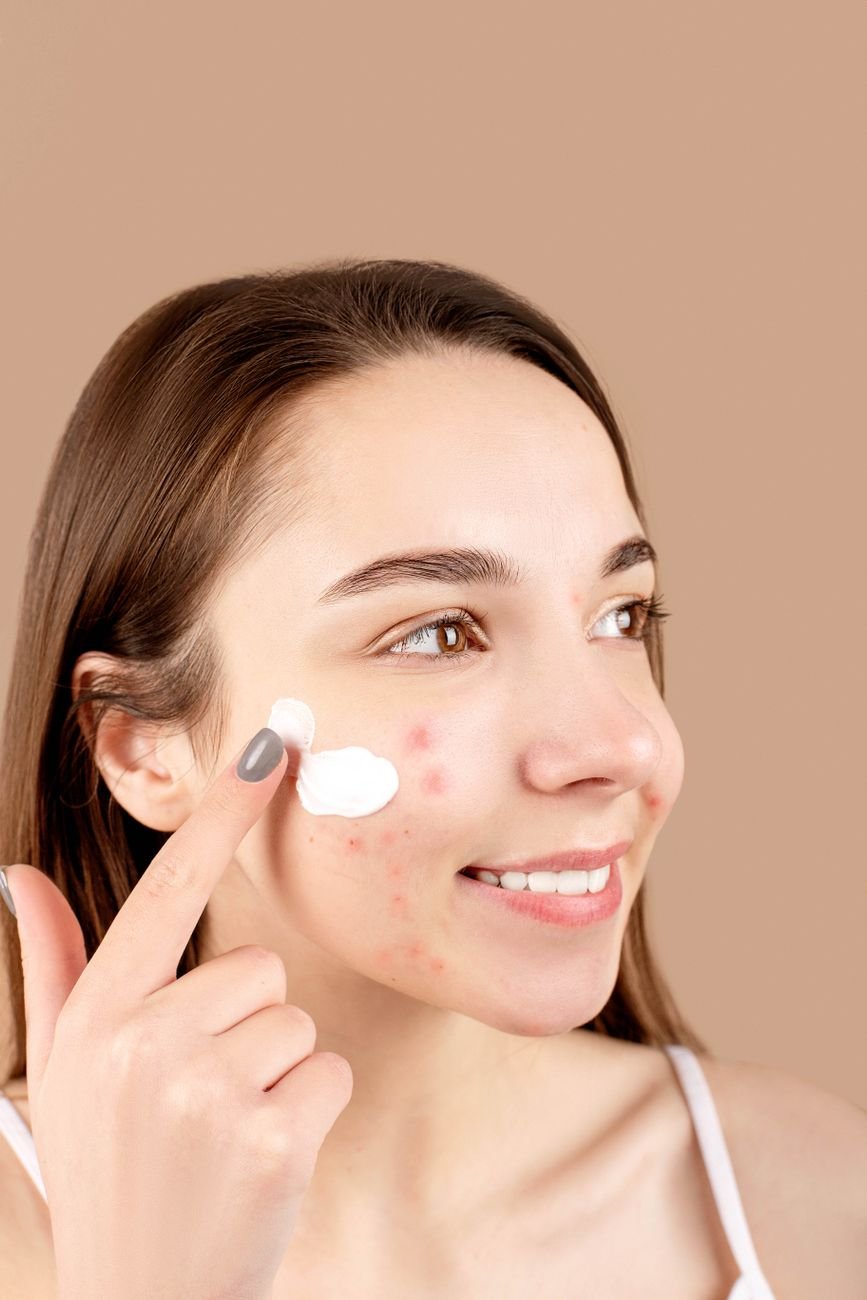
Cleanse the skin thoroughly first, then apply a thin layer to affected areas and leave it on for about 10 minutes before rinsing thoroughly with water. Start with once-daily application, and if your skin tolerates it well, you can gradually increase to 2 to 3 times daily as needed. If dryness or peeling becomes bothersome, cut back to once daily or every other day rather than pushing through it. There’s no oral dose to miss with a topical like this, just apply consistently as your skin allows. Your pharmacist or prescribing physician will determine the correct routine for your situation, especially if you’re combining it with other skincare products.
Side Effects
Common Side Effects
Dryness, peeling, and mild redness are common, especially when starting out or applying more often than your skin can handle. A noticeable sulfur smell during and shortly after application is also expected and not a sign of a problem.
Serious Side Effects That Require Immediate Attention
Stop use and seek medical attention if severe irritation develops, including significant burning, swelling, blistering, or intense redness that goes beyond typical mild dryness. If the product is swallowed, especially by a child, contact Poison Control immediately. While uncommon, stop use and contact a doctor if you notice signs of an allergic reaction, such as hives, widespread rash, or facial swelling.
Warnings and Precautions
De La Cruz Acne Treatment does not carry an FDA black box warning, as an OTC Drug Facts product. For external use only; avoid applying it to broken skin or large areas of the body, and keep it away from the eyes. Using it alongside another topical acne medication, such as benzoyl peroxide or a retinoid, at the same time significantly raises the risk of excess irritation and dryness; the label specifically advises using only one acne product at a time unless a doctor directs otherwise. There isn’t well-established pregnancy or breastfeeding safety data specific to topical sulfur at this concentration, so check with a pharmacist or physician before use if either applies to you.
| Strength | Best For |
|---|---|
| Sulfur 5% | Sensitive skin, gentler daily use |
| Sulfur 10% | Standard strength for most skin types |
Who Should Not Take De La Cruz Acne Treatment
Anyone with a known sulfur allergy should avoid it. It’s not meant for broken or significantly irritated skin, or large body surface areas beyond typical acne-affected zones like the face, chest, or back. If you’re already using another acne medication, don’t layer this on top without a pharmacist’s or doctor’s guidance, since combining topical acne treatments is the most common cause of excess irritation. If breakouts are severe, cystic, or scarring, that’s a sign to see a dermatologist rather than rely on an OTC product alone.
Storage and Disposal
Store at room temperature, away from excess heat, with the cap tightly closed between uses. Keep out of reach of children; contact Poison Control if accidentally swallowed. As a non-controlled OTC product, it can generally be disposed of with household trash once empty or expired, cap secured. If you’d rather not, South Fork Pharmacy can point you to the nearest DEA Take Back location, or you can search one yourself at deadiversion.usdoj.gov/drug_disposal/takeback.
Helpful Resources
- dailymed.nlm.nih.gov — the official FDA drug facts label for 10% sulfur acne treatment.
- medlineplus.gov — NIH overview of acne, causes, and treatment options.
Not sure whether sulfur, benzoyl peroxide, or salicylic acid is the right fit for your skin? Stop by South Fork Pharmacy in Moorefield and our pharmacists can help you sort through your options.
Frequently Asked Questions
Is sulfur better than benzoyl peroxide for acne?
Neither is universally “better.” Sulfur tends to be gentler and better tolerated by sensitive skin, with less reported irritation in comparative studies, while benzoyl peroxide has a longer track record for more stubborn or inflammatory acne. Which one works best often comes down to your individual skin type and how it responds. A pharmacist can help you decide which is worth trying first, or whether a combination approach makes sense.
Why does De La Cruz Acne Treatment smell like sulfur?
That smell comes directly from the active ingredient and is completely normal and expected; it isn’t a sign the product has gone bad or that something is wrong. Many people find the smell fades within a short time after application and rinsing. If the odor genuinely bothers you, the lower 5% strength has a milder scent and may be a more tolerable option.
Can I use sulfur acne treatment every day?
Many people do, starting with once daily and increasing to 2 to 3 times a day as their skin tolerates it. If dryness or peeling becomes uncomfortable, cutting back to once daily or every other day is the recommended adjustment rather than stopping altogether. Give your skin time to adjust, and check with a pharmacist if irritation doesn’t improve after backing off the frequency.
Can I use sulfur acne treatment with my moisturizer or other skincare products?
A basic, fragrance-free moisturizer is generally fine and can help offset the dryness sulfur can cause. The bigger concern is layering it with other active acne treatments, like benzoyl peroxide, salicylic acid, or retinoids, at the same time, since that combination significantly raises irritation risk. If you want to use more than one active ingredient, ask your pharmacist how to space them out safely.
How long does it take to see results from sulfur acne treatment?
Most people need several weeks of consistent use before seeing a meaningful reduction in breakouts; it isn’t a fast, one-time fix. Clinical studies showing real improvement typically ran over 8 to 12 weeks of regular use. If you’re not seeing any improvement after a couple months of consistent use, that’s worth discussing with a pharmacist or dermatologist rather than continuing indefinitely without change.
Is sulfur safe for teenagers?
Sulfur-based acne treatments are commonly used by teenagers and are generally considered appropriate for typical adolescent acne, though starting with the 5% strength and once-daily use is a reasonable way to gauge tolerance first. As with any new product, watch for excess dryness or irritation and adjust frequency accordingly. A pharmacist can help a teenager or parent choose the right starting strength.
Disclaimer: The information in this article is for educational purposes only and is not a substitute for professional medical advice, diagnosis, or treatment. Always seek the guidance of your physician, pharmacist, or other qualified health provider with any questions about a medication or medical condition. Never disregard professional medical advice or delay seeking it because of something you have read here. If you think you may be experiencing a medical emergency, call 911 immediately. Drug information changes regularly. Confirm current prescribing information with your pharmacist or physician. South Fork Pharmacy, Moorefield, West Virginia.