
Hemorrhoid pads cover a range of products, from medicated witch hazel pads to plain protective pads to flushable wipe-style versions, each built for a slightly different job. Medicated pads treat itching and irritation, plain barrier pads focus on hygiene and comfort, and flushable versions prioritize convenience, so picking the right type depends on what symptom is actually the problem.
Hemorrhoid Pads: What They Are And How To Use Them
Hemorrhoid pads is a broader category than a single product name suggests, covering everything from medicated witch hazel pads to plain cotton barrier pads to flushable hygiene versions, all grouped under the same general term. Understanding what separates these types makes it much easier to pick the right one rather than grabbing whatever is labeled “hemorrhoid pads” and hoping it fits.
This overview is meant as a map of the category, not a deep dive into whether medicated pads specifically work as a treatment, which South Fork Pharmacy covers separately in its own article addressing that direct efficacy question. Here, the focus is simpler, helping a shopper walk into any pharmacy and confidently identify which type of pad they are looking at and whether it matches what they actually need.
What Counts As A Hemorrhoid Pad
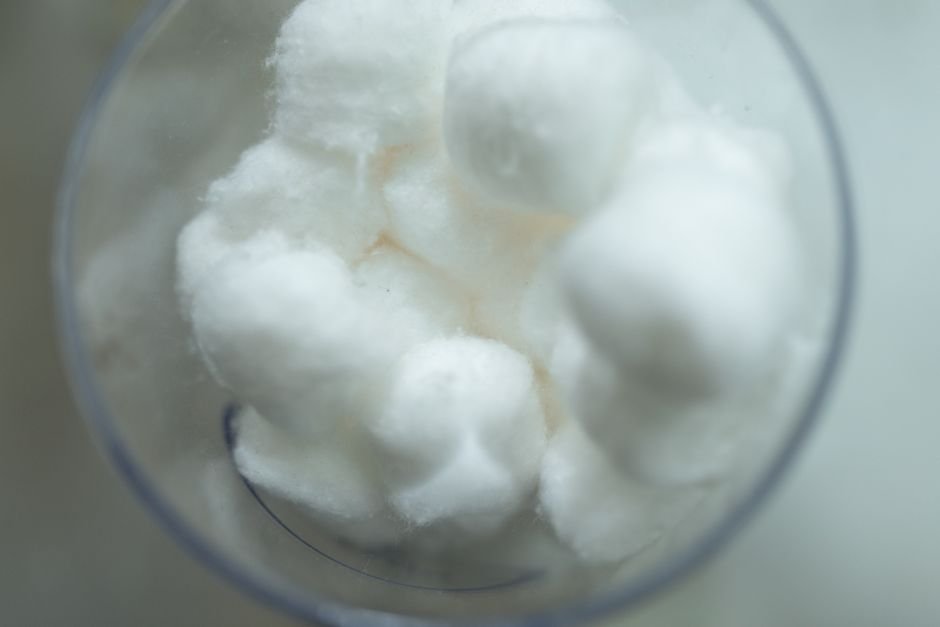
The term covers a genuinely wide range of products. Medicated pads are soaked in an astringent, most commonly witch hazel, aimed at itching and mild irritation. Plain barrier pads have no active ingredient and are built purely for comfort and protection, similar in concept to a gentle cushion or liner. Flushable wipe-style pads are closer to a moist wipe than a stationary pad, designed for cleansing after a bowel movement and, depending on the product, sometimes carrying a mild medicated ingredient as well.
This range is exactly why the term can feel vague when shopping. Two products both labeled “hemorrhoid pads” can serve entirely different purposes, one an active treatment for itching, the other a purely comfort-focused hygiene product, and the packaging does not always make that distinction obvious at a glance.
Brand naming adds to the confusion, since several manufacturers sell multiple pad products under one family name with only subtle packaging differences separating a medicated version from a plain one. Reading the front label alone is often not enough to tell them apart, and checking the drug facts panel on the back, or the absence of one entirely on a non-drug product, is the more reliable way to know which type is actually in hand.
The Main Types Available
Medicated versus plain is the first meaningful split. Medicated pads carry an active ingredient at a labeled concentration and are regulated as an OTC drug product, while plain pads are essentially a comfort accessory with no drug claim attached. Disposable versus reusable is the second consideration, most hemorrhoid pads on the market are single-use and disposable, though some reusable cooling pad options exist for repeated use with proper cleaning between applications.
Within the medicated category specifically, witch hazel concentration and any added ingredients like aloe can vary between brands, so two medicated pads are not automatically identical just because both carry the same general label. Checking the specific active ingredient and its percentage is the only reliable way to compare products head to head.
Size and shape vary across the category too, from small individually wrapped pads meant to be carried in a bag or pocket, to larger pads sold in a tub for use at home. Individually wrapped versions cost more per pad but are more practical for anyone needing relief away from home, while a larger tub is more economical for regular use in one place.
How To Use Them Correctly
Most hemorrhoid pads, medicated or plain, are used after each bowel movement, gently patting or wiping the area rather than rubbing, which reduces friction on already-sensitive tissue. Medicated versions are generally labeled for use up to six times daily, while plain barrier pads do not carry the same frequency limit since there is no active drug ingredient involved.
Discarding a pad after a single use rather than attempting to reuse a disposable one keeps the application hygienic, and washing hands before and after application reduces the chance of introducing anything new to already-irritated skin.
For anyone using a stationary pad rather than a flushable wipe-style version, holding it in place briefly with gentle pressure, rather than a single quick pass, allows the witch hazel or other astringent to make better contact with the skin. Some people also find it comfortable to leave a fresh pad resting against the area for a minute or two after cleansing, for the added soothing effect, before moving on with the rest of a routine.
Regardless of which type is being used, disposing of it in the trash rather than the toilet is the safer default for households on a septic system, which covers a large share of homes around Moorefield and rural Hardy County. Even pads or wipes labeled flushable often break down more slowly than toilet paper and can contribute to septic system issues over time with repeated use.
A Clear Map Of Pad Types, Since Most Articles Treat Them As One Thing
Most content covering hemorrhoid pads uses the term as a vague catch-all without actually mapping out the different products a shopper might find on the shelf, which leaves a lot of people comparing products that are not actually comparable. Laid out clearly, the category splits into three practical tiers. Medicated witch hazel pads are the closest thing to an active treatment in pad form, appropriate for itching and mild irritation specifically. Plain protective pads offer comfort and a barrier against friction without any active ingredient, appropriate for general comfort during a flare regardless of the specific symptom. Flushable wipe-style pads prioritize convenience and cleansing, functioning closer to a moist wipe than a stationary treatment pad, and are best thought of as a hygiene product first.
Knowing which tier a specific product actually belongs to, rather than assuming “hemorrhoid pad” means one consistent thing, is the single most useful piece of information for choosing correctly among the dozen or so options typically available on a pharmacy shelf.
This kind of mapping also helps explain why two people can have completely different opinions about whether “hemorrhoid pads” work, when in reality they were comparing two different tiers of product the whole time. Someone whose only experience is with a plain barrier pad and someone who has tried a concentrated medicated version are, in a meaningful sense, talking about different categories of product even though both call it a hemorrhoid pad.
Pads Vs Wipes Vs Cream: Where They Fit
Pads generally sit between wipes and cream in terms of how they are used, similar to wipes for cleansing purposes but sometimes carrying more concentrated medicated benefit, while a cream is the appropriate choice when active pain or swelling relief is the priority rather than hygiene. Someone dealing with mild, occasional itching after bowel movements is well served by pads alone, while someone with real pain or visible swelling needs a cream or suppository layered in alongside pad use for hygiene.
The order matters as much as the products themselves. Cleansing with a pad or wipe first, then allowing the skin to dry, and only then applying a cream removes residue and moisture that would otherwise reduce how well the cream is absorbed. Skipping straight to a cream over unclean, damp skin is a common mistake that can make an otherwise effective product feel like it is not working.
Cost is a reasonable factor to weigh across all three categories too, since pads generally sit at a lower price point per use than a concentrated cream or suppository. For someone managing frequent, mild irritation rather than intense flares, building a routine around pads for daily comfort and reserving a cream for the occasional worse day can be a practical, budget-conscious approach without sacrificing effective relief when it is actually needed.
Who Should Be Cautious
Anyone with a known sensitivity to witch hazel, or to added fragrance in some pad formulas, should check the ingredient list carefully or start with a plain, unmedicated pad to test tolerance. Fragrance-free, alcohol-free options are the safer default for already-sensitive tissue, and a pharmacist can point out which specific products on the shelf meet that description if the labeling is not immediately clear.
Anyone managing a broken skin area, such as an accompanying fissure alongside hemorrhoid symptoms, should be extra cautious with any pad containing an active ingredient, since broken skin absorbs more of whatever contacts it and can sting or react more than intact, simply irritated skin. A plain, unmedicated pad is often the more comfortable choice in that specific situation until the skin has settled.
Ask South Fork Pharmacy’s pharmacist which pad type fits your specific need, whether that is active itching relief, general comfort, or convenient hygiene. The pharmacy stocks a range of options and can help sort through the category without the guesswork. Free delivery on Tuesdays and Thursdays within Moorefield town limits is available for anyone who would rather not make a special trip just for this.
Frequently Asked Questions
What’s the difference between hemorrhoid pads and hemorrhoid wipes?
They overlap significantly, some flushable “pad” products are essentially wipes, while stationary medicated pads are meant to be applied and left in place briefly rather than used purely for cleansing. Check the specific product’s directions, since the terms are used inconsistently across brands.
Are all hemorrhoid pads medicated?
No, plain barrier pads with no active ingredient exist alongside medicated witch hazel versions. Reading the active ingredients panel confirms which type a specific product actually is.
Can I use hemorrhoid pads instead of toilet paper every time?
Many people do exactly this during a flare, since pads are gentler than dry toilet paper on irritated tissue. Just be sure to discard disposable pads after a single use rather than reusing them.
Do hemorrhoid pads expire?
Yes, like any medicated product, check the expiration date printed on the package, particularly if a container has been open and unused for a while. Ask South Fork Pharmacy’s pharmacist if you are unsure whether an older package is still good to use.
Which type of hemorrhoid pad is best for sensitive skin?
A fragrance-free, alcohol-free plain barrier pad is generally the gentlest starting point for sensitive skin, since it has no active ingredient that could cause irritation. If mild medicated relief is still wanted, a low-fragrance witch hazel pad is a reasonable next step to try.
Disclaimer: The information in this article is for educational purposes only and is not a substitute for professional medical advice, diagnosis, or treatment from a pharmacist or doctor. General hemorrhoid guidance provided here is not a diagnosis, and persistent, severe, or unclear symptoms should be evaluated by a doctor. If you think you may be experiencing a medical emergency, call 911 immediately. South Fork Pharmacy, Moorefield, West Virginia.