
Zinc oxide ointment can help with hemorrhoids by forming a protective barrier over irritated tissue, reducing friction and moisture exposure that worsen discomfort, but it is a skin protectant, not a pain reliever or anti-inflammatory. It does not numb pain or reduce swelling the way combination hemorrhoid products with lidocaine or phenylephrine do.
Can Zinc Oxide Ointment Help With Hemorrhoids?
Zinc oxide ointment for hemorrhoids comes up often because so many people already have a tube in the medicine cabinet for diaper rash or minor skin irritation, and the ingredient itself shows up in a huge share of hemorrhoid products anyway. Whether plain zinc oxide alone is enough depends entirely on what a specific flare actually needs, since it is doing a narrower job than a lot of hemorrhoid product marketing implies.
It is one of the oldest, most extensively used topical ingredients in medicine, with a safety record stretching back well over a century of use across a huge range of skin conditions. That long history is reassuring from a safety standpoint, but it is worth separating “safe and well-established” from “effective for every symptom,” since those are two different questions that get blurred together too often in casual hemorrhoid advice.
What Zinc Oxide Actually Does
Zinc oxide works as a physical skin protectant, forming a barrier on the surface of the skin that shields irritated tissue from further exposure to moisture, friction, and stool residue. It is not absorbed to produce an anti-inflammatory or pain-relieving effect the way a steroid or anesthetic ingredient is, its job is almost entirely mechanical, sitting on top of the skin and protecting it while the body’s own healing process does the actual work underneath.
This protectant mechanism is genuinely useful, reducing ongoing irritation from friction and moisture is a real contributor to hemorrhoid discomfort, but it is a fundamentally different kind of help than what a pain reliever or anti-inflammatory ingredient provides. Many people expect zinc oxide to reduce pain or swelling the way a medicated cream does, and that expectation is where disappointment with plain zinc oxide usually comes from.
The concentration used also matters for how visible and how protective the effect actually is. Higher-percentage zinc oxide formulas, common in some diaper rash products, create a thicker, more visible barrier than lower-percentage formulas sometimes used in gentler hemorrhoid creams, and neither concentration is universally “better,” it depends on how much protection a specific situation calls for versus how much residue and visibility is tolerable for daily use.
Why It’s In So Many Hemorrhoid And Diaper Rash Products
Zinc oxide’s presence in both hemorrhoid creams and diaper rash products is not a coincidence, both conditions involve skin that is repeatedly exposed to moisture and friction in a way that delays healing and worsens irritation, whether that is from stool contact in the anorectal area or urine and stool contact in diaper use. The shared mechanism, physical protection from that ongoing exposure, is exactly what makes zinc oxide useful across both applications despite them being very different conditions on the surface.
This overlap is also why zinc oxide is one of the most well-established, longest-used ingredients in topical skin protection generally, with a long track record of safety across a wide range of ages and skin conditions, from infants to adults. Its ubiquity is a sign of genuine, well-understood usefulness for this specific protective role, not an indication that it is a weak or outdated ingredient.
This crossover with diaper rash care actually gives most households a head start on stocking a reasonable hemorrhoid protectant, since a tube of a basic, fragrance-free zinc oxide diaper ointment already sitting in a bathroom cabinet from a younger family member is generally suitable for hemorrhoid use as well. Checking that the specific formula does not contain added fragrance or other extras not ideal for more sensitive adult anorectal skin is worth a quick look before reaching for it this way.
How To Use Plain Zinc Oxide Ointment For Hemorrhoids
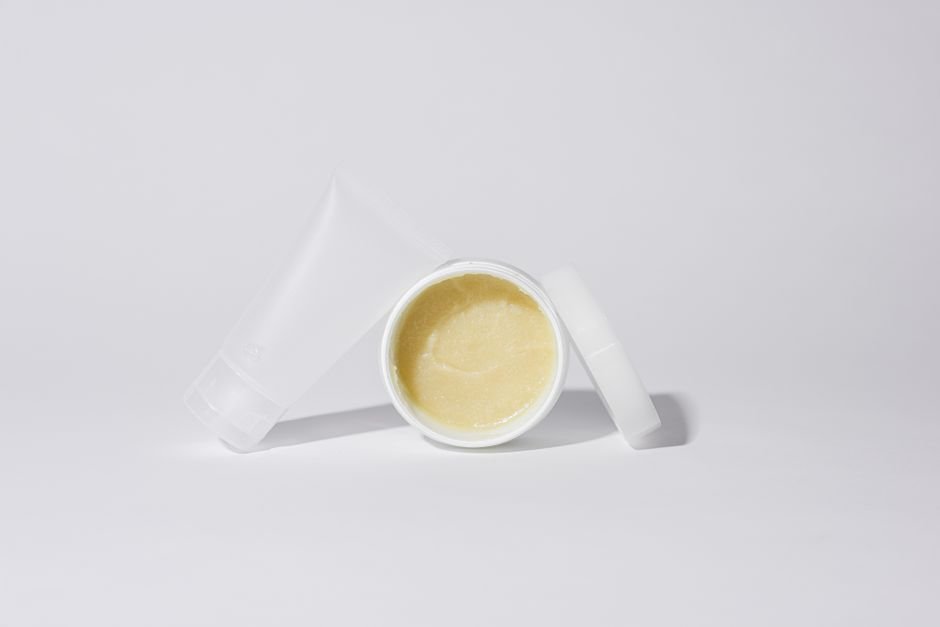
Zinc oxide ointment is generally applied to the clean, dry external area after a bowel movement or as needed throughout the day, following the specific product’s labeled frequency. A visible white layer is typical and expected, since zinc oxide’s protective effect depends on maintaining an actual physical barrier on the skin rather than being absorbed into it, unlike a cream formulated to disappear into the skin on application.
It is a reasonable, low-risk choice for mild irritation, friction-related discomfort, or as a protective layer used alongside another product addressing pain or swelling more directly. Many people find applying it before an activity likely to involve friction, like a long car ride or extended sitting, helps prevent irritation from building rather than only reaching for it after discomfort has already started.
Removing zinc oxide ointment before reapplication is not usually necessary, and gently applying a fresh layer over remaining product is generally fine, though a full gentle cleaning at least once during the day, typically after a bowel movement, keeps buildup from becoming excessive and helps the ointment continue doing its job effectively rather than sitting under an old, less effective layer.
What Zinc Oxide Can And Can’t Do, Compared Honestly
Many hemorrhoid product articles treat every “hemorrhoid ointment” on the shelf as roughly interchangeable, which glosses over a real and practically important distinction. Zinc oxide alone protects and creates a barrier. It does not numb pain the way lidocaine or pramoxine does, does not reduce inflammation the way hydrocortisone does, and does not shrink swelling the way phenylephrine does. A product containing only zinc oxide, used for a flare where pain or swelling is the dominant complaint, is likely to feel like it is “not working,” not because zinc oxide is a bad ingredient, but because it was never intended to address those specific symptoms in the first place.
This honest framing matters because zinc oxide’s reputation as a hemorrhoid ingredient sometimes gets inflated by its presence in well-known combination products, leading people to credit it with effects that actually come from a different ingredient in the same formula. Reading the full active ingredients list, not just recognizing zinc oxide’s presence, is the only reliable way to know what a specific product is actually going to do for a specific symptom.
A useful way to check expectations before buying is to ask a simple question at the shelf: what symptom, specifically, needs to improve. If the honest answer is “the skin feels raw and irritated from friction and moisture,” zinc oxide alone is a reasonable match. If the honest answer is “it hurts” or “it’s swollen,” zinc oxide alone is unlikely to be the full solution, and a product with an additional targeted ingredient is worth considering instead or alongside it.
Zinc Oxide Alone Vs Combination Hemorrhoid Creams
A combination product pairing zinc oxide with an anesthetic like pramoxine, or with a vasoconstrictor like phenylephrine, addresses more of the overall symptom picture at once, protection plus pain relief, or protection plus swelling reduction, rather than protection alone. For a flare involving real pain or visible swelling, a combination product or a different single-ingredient product targeted at that specific symptom generally serves better than plain zinc oxide on its own.

Plain zinc oxide still has a place even alongside a more targeted product, layered on for its protective barrier effect after a medicated cream has been applied and absorbed, particularly for someone dealing with significant friction or moisture exposure throughout the day. The two are not mutually exclusive, they address different parts of the same overall problem.
Neither ingredient interferes with the other chemically, so the concern here is purely about physical absorption and contact with the skin, not a drug interaction in the usual sense. Applying them in the right order matters for both to work as intended. A medicated cream applied first, allowed a few minutes to absorb, followed by a thin zinc oxide layer on top for ongoing protection, generally works better than reversing that order, since a thick zinc oxide barrier applied first can interfere with how well a subsequent product is absorbed into the skin underneath it.
Timing throughout the day also matters for a layered routine like this. Applying the medicated product in the morning and after each bowel movement, with a zinc oxide layer added at bedtime specifically for the longer stretch of time between applications, is a reasonable way to get consistent protection overnight without needing to wake up partway through the night to reapply anything.
When Plain Zinc Oxide Isn’t Enough
Persistent pain, noticeable swelling, itching that does not respond to a protective barrier alone, or symptoms that continue despite consistent zinc oxide use for several days are all signals that a more targeted ingredient is needed. Bleeding, in particular, is not something a protectant ointment addresses, and any new or unexplained bleeding needs evaluation regardless of what topical product is being used at the time.
A reasonable rule of thumb is to give plain zinc oxide about three to five days of consistent, correct use before deciding whether it is enough on its own. If comfort has genuinely improved and the main remaining issue is just finishing out a mild flare, staying the course is fine. If nothing has changed or symptoms have gotten worse, that is a clear enough signal to add a targeted ingredient rather than continuing to wait it out with protection alone.
Ask South Fork Pharmacy’s pharmacist whether plain zinc oxide or a combination product fits your symptoms better. The pharmacy stocks both single-ingredient protectants and combination hemorrhoid products, along with the dietary and lifestyle guidance that addresses why flares keep happening in the first place, and can help match the right one to what you are actually experiencing, whether that means a simple protectant or a full combination product built for a more significant flare. Free delivery on Tuesdays and Thursdays within Moorefield town limits is available too.
Frequently Asked Questions
Can I use diaper rash cream with zinc oxide for my hemorrhoids?
Plain zinc oxide ointment marketed for diaper rash and one marketed for hemorrhoids often share a very similar formula, so this can be a reasonable option for mild protection. Check the ingredient list for anything else in the diaper cream, like added fragrance, that might not be ideal for more sensitive anorectal skin.
Why doesn’t zinc oxide seem to help my hemorrhoid pain?
Zinc oxide is a protectant, not a pain reliever, so it will not numb pain or reduce swelling on its own. A product with lidocaine, pramoxine, or phenylephrine addresses those symptoms more directly.
Is it normal for zinc oxide ointment to leave a white residue?
Yes, that visible white layer is expected and is part of how the protectant barrier works. It is not a sign of a problem or reaction.
Can I use zinc oxide ointment every day to prevent hemorrhoid flares?
It can be used regularly for protection against friction and moisture, but it does not address the underlying causes of hemorrhoids, like diet and bathroom habits. If flares are frequent, ask a pharmacist about a broader approach beyond zinc oxide alone.
How is zinc oxide different from the zinc oxide in sunscreen?
It is the same basic ingredient functioning as a physical barrier in both cases, protecting skin from UV exposure in sunscreen and from moisture and friction in hemorrhoid ointment. The concentration and formulation differ between the two products, so one should not be substituted for the other.
Is zinc oxide safe to use on broken skin from a hemorrhoid?
Zinc oxide is generally well tolerated, but any product on broken or bleeding skin should be discussed with a pharmacist or doctor first, since bleeding itself warrants evaluation regardless of the topical product being considered.
Disclaimer: The information in this article is for educational purposes only and is not a substitute for professional medical advice, diagnosis, or treatment from a pharmacist or doctor. Zinc oxide ointment provides temporary protection and is not a treatment for the underlying cause of hemorrhoids. If you think you may be experiencing a medical emergency, call 911 immediately. South Fork Pharmacy, Moorefield, West Virginia.