
Quick Answer: Cequa is a prescription eye drop containing cyclosporine 0.09%, nearly double the concentration in Restasis, delivered using nanomicelle technology designed to get more of the drug into the eye’s surface tissue. It treats chronic dry eye by calming the underlying immune activity that reduces natural tear production, but it takes weeks to months of consistent use before you notice the full effect, it doesn’t work immediately like a lubricating drop.
Cequa Eye Drops: How They Treat Dry Eye and What Makes Them Different
Chronic dry eye that doesn’t respond to over-the-counter artificial tears eventually points toward a different category of treatment entirely, one that addresses the underlying inflammation rather than just adding moisture. Cequa is one of the newer prescription options in that category, and it works differently enough from older cyclosporine drops that the difference is worth understanding.
This article covers what Cequa actually does, how it differs from Restasis, and a realistic timeline for when to expect results. South Fork Pharmacy in Moorefield can help with questions about your specific prescription.
What Is Cequa and What Is It Used For?
Cequa is a prescription ophthalmic solution containing cyclosporine 0.09%. It is FDA-approved to increase tear production in people with chronic dry eye whose tear production is believed to be suppressed by ocular inflammation. It is a calcineurin inhibitor, the same drug class as Restasis, though Cequa uses a higher concentration and a different delivery technology. It is not a controlled substance.
How Does Cequa Work, and How Is It Different From Restasis?
Cyclosporine works by calming an overactive local immune response on the eye’s surface that contributes to chronic dry eye and suppresses the glands responsible for normal tear production. Cequa uses nanomicellar technology, extremely small carrier particles that improve how well cyclosporine dissolves in a water-based solution, which research has shown delivers higher drug concentrations into eye tissue compared to the oil-based emulsion used in Restasis. Cequa’s cyclosporine concentration, 0.09%, is also nearly double Restasis’s 0.05%. Some people who don’t get sufficient relief from Restasis are switched to Cequa, though individual response varies and one is not guaranteed to work better than the other for every person.

How to Take Cequa
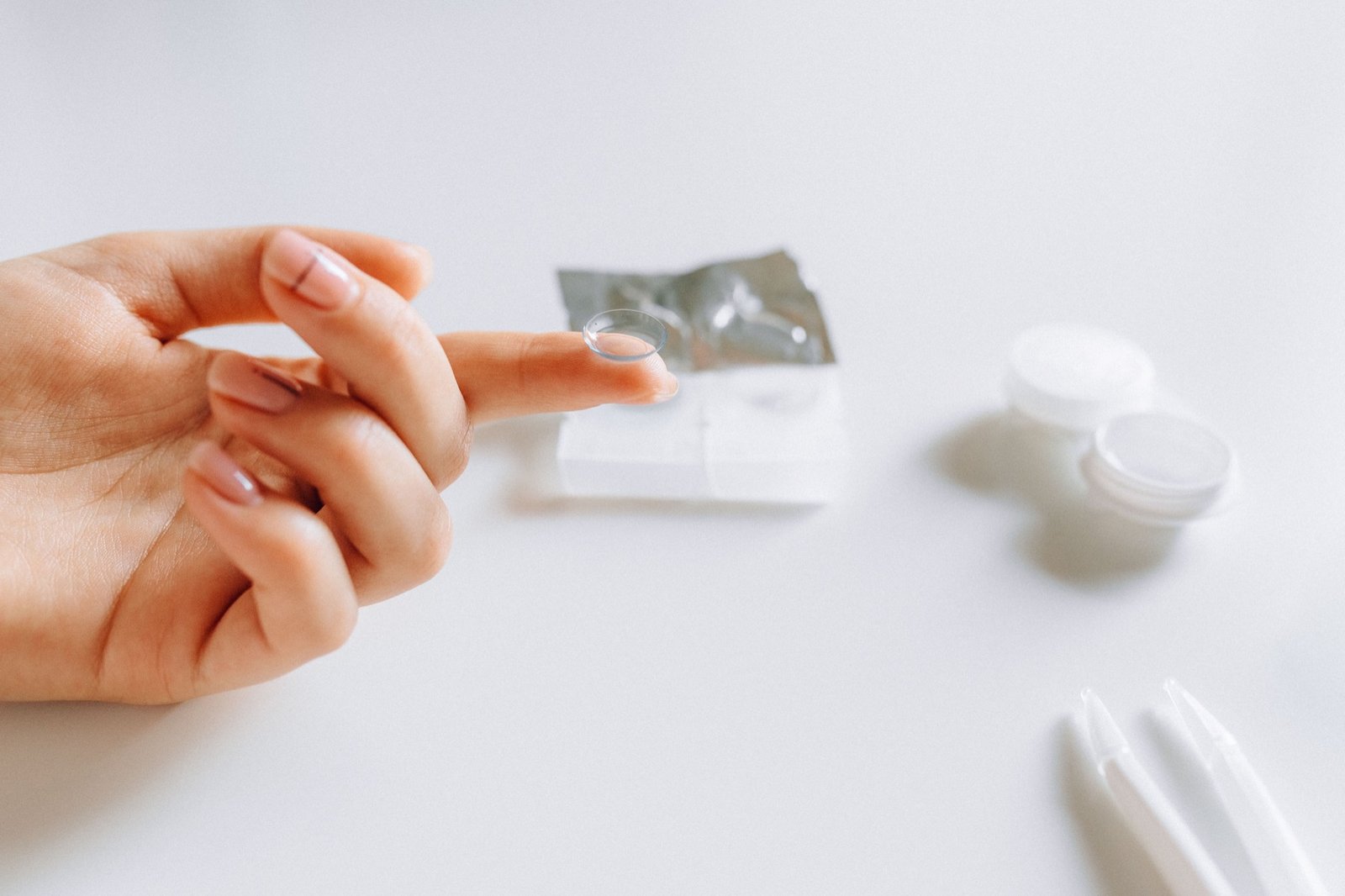
Instill one drop in each eye twice daily, roughly 12 hours apart. Cequa comes in single-use vials; use the entire vial for both eyes at one sitting, then discard it, rather than saving any remaining solution for later. If you wear contact lenses, remove them before instilling Cequa and wait at least 15 minutes before putting them back in. Avoid letting the vial tip touch your eye or any other surface. Your pharmacist or prescribing physician will confirm the correct schedule for your situation.
How Long Before It Works?
Cequa does not provide immediate relief the way a lubricating artificial tear does. Some people notice early changes within about 2 weeks, but meaningful improvement in comfort and vision can take up to about 2 months, and increased actual tear production may take up to 3 months to become noticeable. Most people need about 4 to 6 months of consistent, twice-daily use to see the full benefit. Stopping early because it doesn’t seem to be working after only a few weeks is one of the most common reasons people don’t get the full benefit.
Side Effects
Common Side Effects
Pain, stinging, or burning at the site of instillation is very common, reported by roughly 1 in 5 people in clinical trials, making it the single most frequently reported side effect. Eye redness (conjunctival hyperemia) is also commonly reported.
Serious Side Effects That Require Immediate Attention
Seek emergency care for signs of a severe allergic reaction, including facial swelling, difficulty breathing, or hives. Contact a doctor for eye pain that is severe, vision changes, or symptoms that worsen significantly rather than gradually improve, since these are not the typical, expected mild burning pattern.
Warnings and Precautions
There is no FDA boxed warning for Cequa. Do not use it while wearing contact lenses; remove them first and wait at least 15 minutes before reinserting. Because instillation-site burning is so commonly reported, it is worth knowing in advance that this is expected and not necessarily a reason to stop, though persistent severe burning should still be discussed with your doctor. Avoid touching the vial tip to your eye or any surface to prevent contamination.
| Feature | Cequa | Restasis |
|---|---|---|
| Cyclosporine concentration | 0.09% | 0.05% |
| Delivery technology | Nanomicellar solution | Oil-based emulsion |
| Dosing | Twice daily, single-use vials | Twice daily, single-use vials |
| Full effect timeline | Up to 4 to 6 months | Similarly gradual, several months |
Who Should Not Take Cequa
Anyone with a known allergy to cyclosporine or other ingredients in the formulation should not use it. Contact lens wearers need to plan around the required removal window before and after each dose. Anyone expecting immediate relief the way a standard artificial tear provides should be aware this is a different kind of treatment with a much slower onset, and should keep using their regular artificial tears alongside Cequa during the weeks it takes to build full effect, unless told otherwise by their doctor.
Storage and Disposal
Store unopened Cequa vials at room temperature, and once a foil pouch of vials is opened, use them within the timeframe specified on the packaging. Discard each single-use vial after one use, even if some solution remains. For disposal of unused vials, the DEA Take Back program at deadiversion.usdoj.gov/drug_disposal/takeback is an option, or they can go out with household trash.
Helpful Resources
- dailymed.nlm.nih.gov — the FDA-sourced prescribing label for Cequa (cyclosporine ophthalmic solution 0.09%).
- nei.nih.gov — National Eye Institute overview of chronic dry eye disease.
- medlineplus.gov — NIH consumer information on ophthalmic cyclosporine.
If you’re a few weeks into Cequa and not sure whether to stick with it, South Fork Pharmacy in Moorefield can help you understand what timeline to realistically expect.
Frequently Asked Questions
Why does Cequa burn so much more than my old artificial tears?
Artificial tears are simple lubricants with no active drug effect on inflammation, while Cequa is an active immunomodulating medication, and instillation-site burning is its single most commonly reported side effect, affecting roughly 1 in 5 people in trials. It is an expected reaction for many people rather than a sign something is wrong, though persistent severe burning is still worth mentioning to your doctor.
Can I stop using Cequa once my eyes feel better?
Don’t stop without talking to your doctor first. Since the benefit builds gradually over months and reflects an ongoing calming of underlying inflammation, stopping can allow symptoms to return. Your doctor can advise on whether and how to adjust your regimen once you’re doing well.
Is it normal that my vision doesn’t feel better even after a month?
Yes, this is actually expected. The label specifically notes that vision-related comfort improvements can take up to about 2 months, and increased tear production up to 3 months, so a single month without noticeable change does not mean it isn’t working.
Can I use my regular artificial tears while on Cequa?
Generally yes, and many people are advised to keep using their regular artificial tears during the weeks or months it takes for Cequa’s full effect to build, since Cequa doesn’t provide immediate lubrication the way a tear substitute does. Ask your doctor about spacing and any specific product recommendations.
Why do I have to take my contacts out for this specific eye drop?
The label specifically requires contact lens removal before use and a 15-minute wait afterward, which is a more explicit and longer window than some other eye drops. Follow this instruction consistently rather than skipping it out of convenience.
What if I forget a dose?
Use it as soon as you remember unless it is almost time for your next dose, in which case skip the missed one rather than doubling up. Consistency matters more than any single perfect dose, since the benefit builds over months of regular use.
Disclaimer: The information in this article is for educational purposes only and is not a substitute for professional medical advice, diagnosis, or treatment. Always seek the guidance of your physician, pharmacist, or other qualified health provider with any questions about a medication or medical condition. Never disregard professional medical advice or delay seeking it because of something you have read here. If you think you may be experiencing a medical emergency, call 911 immediately. Drug information changes regularly. Confirm current prescribing information with your pharmacist or physician. South Fork Pharmacy, Moorefield, West Virginia.