
Quick Answer: The Cicloferon sold in U.S. pharmacies is a topical gel with two active ingredients, lidocaine 2% and benzalkonium chloride 0.13%, that temporarily relieves cold sore pain and offers first aid infection protection. It does not clear a cold sore faster or shorten how long it lasts, since it isn’t an antiviral. If you’re looking for something that shortens a cold sore’s duration, that’s a different conversation with your pharmacist.
Cicloferon: How to Use It and What It Actually Does for a Cold Sore
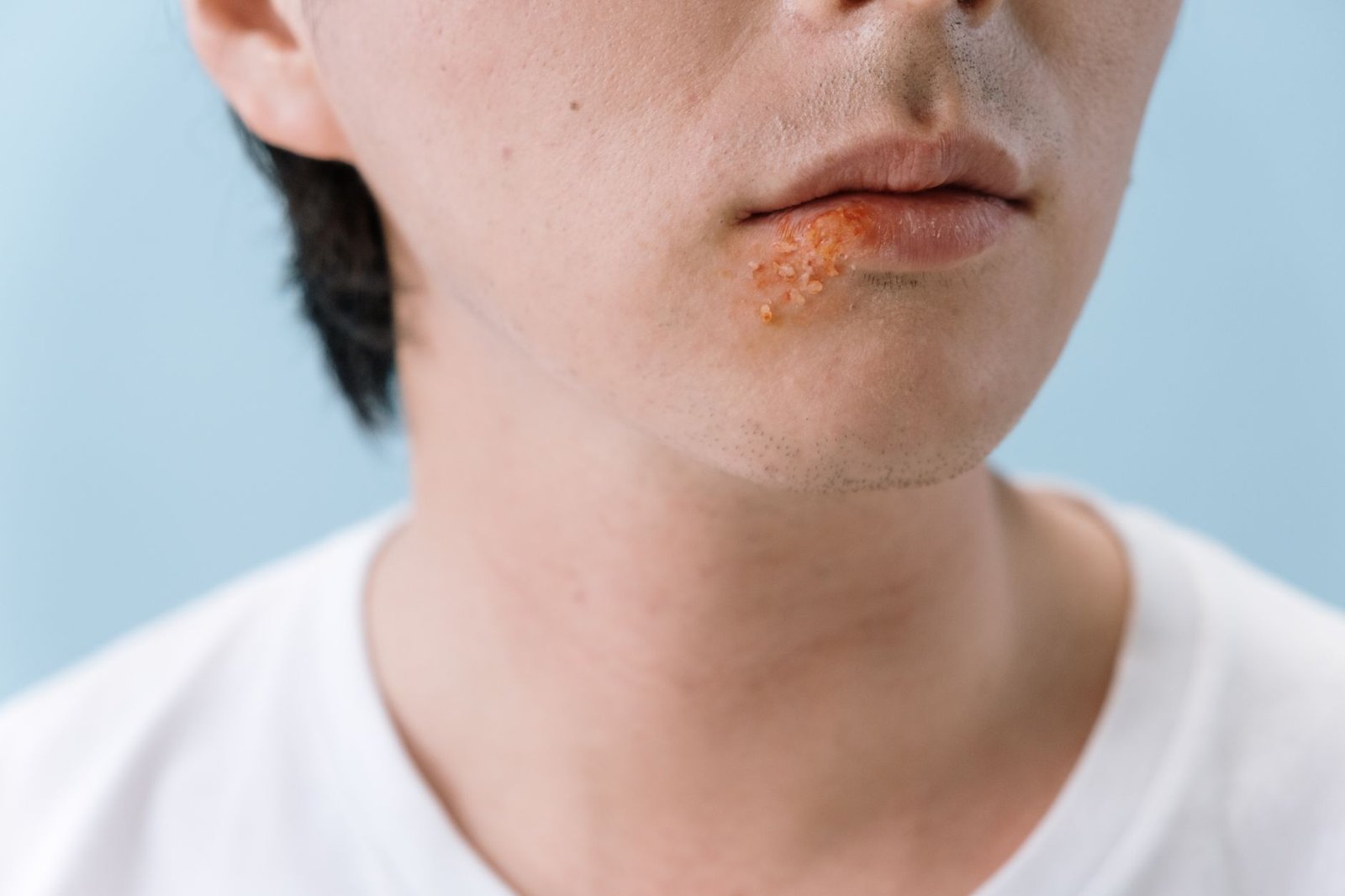
That familiar tingling on the lip is never welcome news, and once a cold sore actually shows up, the burning and tenderness can make eating, talking, and just going about your day genuinely uncomfortable. It’s natural to want something that will make it disappear faster.
This article covers what’s actually in Cicloferon, how it works, and, importantly, what it isn’t designed to do. There’s some understandable confusion here worth clearing up first, and South Fork Pharmacy in Moorefield is happy to talk through your options if you’re not sure what fits your situation.
What Is Cicloferon and What Is It Used For?
Worth clearing up first: outside the U.S., particularly in Mexico, “Cicloferon” is also a brand name for a prescription acyclovir cream, an antiviral. That is not the product sold as Cicloferon in U.S. stores. The Cicloferon available at U.S. pharmacies and retailers is a different formulation entirely, made by the same manufacturer but with different active ingredients: lidocaine hydrochloride 2%, a topical anesthetic, and benzalkonium chloride 0.13%, a topical antiseptic. It’s FDA-labeled for two uses: temporary relief of pain associated with cold sores and fever blisters, and first aid protection against infection in minor cuts, scrapes, and burns. It is not a controlled substance and carries no DEA schedule.
How Does Cicloferon Work?
Lidocaine is a local anesthetic that temporarily blocks pain signals in the nerve endings where it’s applied, which is what dulls the burning and tenderness of a cold sore. Benzalkonium chloride is an antiseptic that helps reduce the risk of the sore becoming infected with bacteria while it’s open or weeping. Neither ingredient works against the herpes simplex virus that actually causes a cold sore. That’s the key distinction: Cicloferon manages symptoms and helps protect the area, but it doesn’t shorten the cold sore’s life cycle the way an antiviral cream or oral antiviral medication is designed to.
How to Take Cicloferon
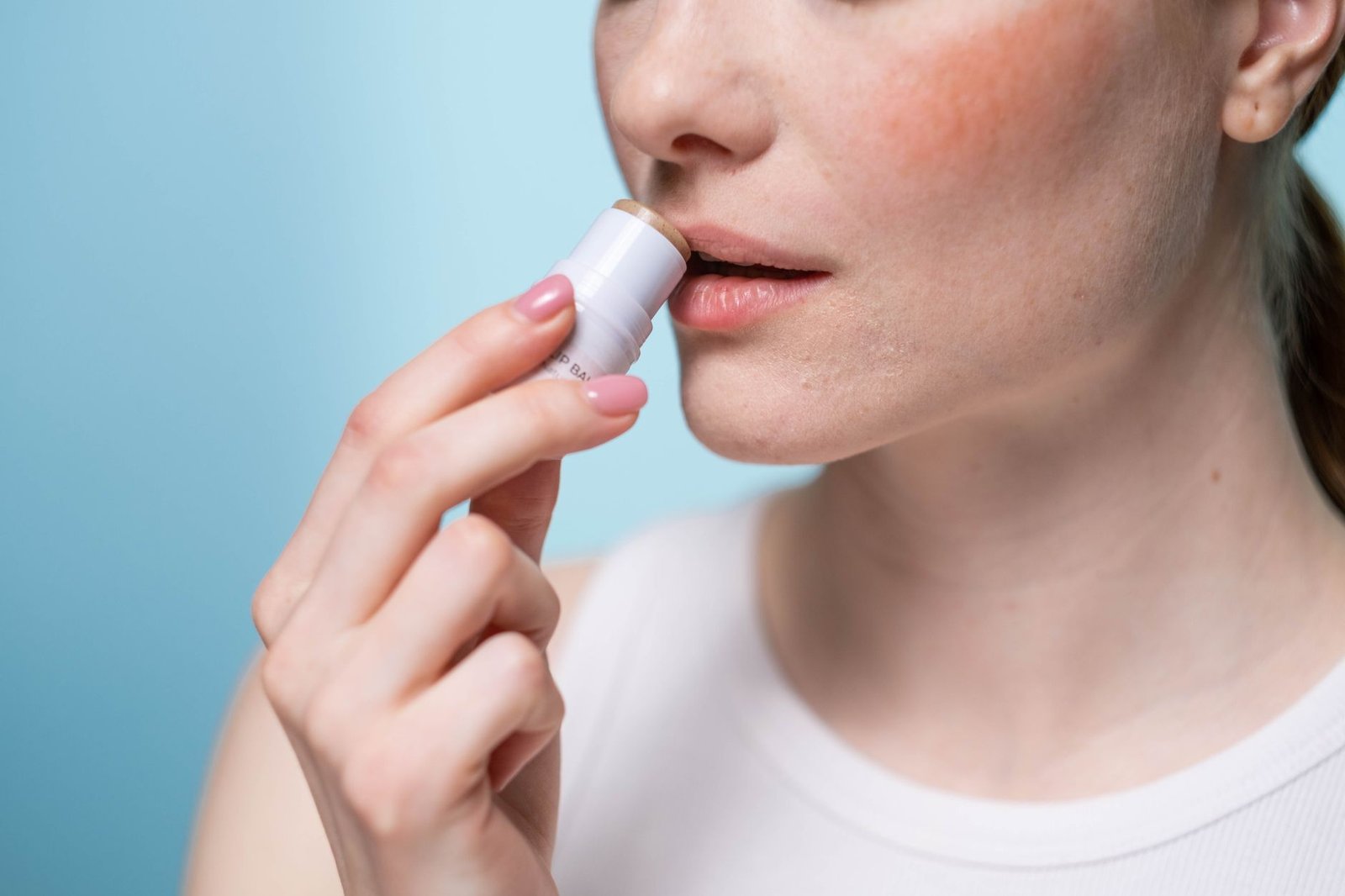
Clean the affected area first, then apply a small amount of gel 1 to 3 times daily. You can cover it with a sterile bandage if needed. Children under 12 should only use it under a doctor’s direction. It’s for external use only, so avoid the eyes and don’t use it inside the mouth beyond the lip area. There’s no oral dose to miss since this is applied as needed to the affected spot, up to 3 times a day. Your pharmacist or prescribing physician will determine the correct dose for your situation.
Side Effects
Common Side Effects
A brief stinging or cooling sensation right after application is common and expected as the numbing effect sets in. Mild, temporary dryness or tightness around the treated area can also happen.
Serious Side Effects That Require Immediate Attention
Stop use and contact a doctor if the condition worsens, if symptoms persist beyond 7 days or clear up and come back shortly after, or if you notice swelling, rash, or fever, any of which can be a sign of a true infection or an allergic reaction rather than something the gel alone can handle. If the product is swallowed, especially by a child, contact Poison Control or seek immediate medical attention. Seek medical care rather than continuing to self-treat if you have a deep puncture wound, an animal bite, or a serious burn, since those go beyond what this product is intended for.
Warnings and Precautions
Cicloferon does not carry an FDA black box warning, as an OTC Drug Facts product. Don’t use it for longer than 7 days without a doctor’s direction, don’t use more than the directed amount, and don’t use it if you’re allergic to lidocaine, benzalkonium chloride, or any “-caine” type anesthetic. Avoid contact with the eyes and don’t apply it over large areas of the body. There’s no established significant interaction with oral medications given the small topical amount used, but mention any other topical anesthetic products you’re using at the same time to your pharmacist, since combining several can raise the total amount of local anesthetic absorbed. There isn’t specific pregnancy or breastfeeding safety data for this exact combination product, so check with a pharmacist or physician before use if either applies to you.
| Ingredient | Role |
|---|---|
| Lidocaine HCl 2% | Numbs pain and burning at the application site |
| Benzalkonium Chloride 0.13% | Antiseptic, helps guard against infection |
Who Should Not Take Cicloferon
Anyone with a known allergy to lidocaine, other local anesthetics, or benzalkonium chloride should avoid it. It isn’t the right product for anyone expecting an antiviral effect on the cold sore itself; if shortening the outbreak is the goal, that calls for a different product, and a pharmacist can point you toward antiviral options. It’s not intended for deep wounds, animal bites, or serious burns, which need direct medical evaluation instead.
Storage and Disposal
Store Cicloferon between 68°F and 77°F, with the tube tightly closed between uses. Keep it out of reach of children; if swallowed, contact Poison Control or seek medical attention immediately. As a non-controlled OTC product, it can generally go out with household trash once empty or expired, cap secured. If you’d rather not, South Fork Pharmacy can point you to the nearest DEA Take Back location, or you can search one yourself at deadiversion.usdoj.gov/drug_disposal/takeback.
Helpful Resources
- dailymed.nlm.nih.gov — the official FDA drug facts label for Cicloferon Cold Sore Treatment Gel.
- medlineplus.gov — NIH overview of cold sores, causes, and treatment.
- medlineplus.gov — NIH consumer drug information on topical lidocaine.
If you want a product that actually targets the virus behind a cold sore rather than just the pain, or you’re not sure which option fits your situation, stop by South Fork Pharmacy in Moorefield and we’ll help you sort it out.
Frequently Asked Questions
Does Cicloferon clear a cold sore faster?
No. The U.S. version of Cicloferon contains lidocaine and benzalkonium chloride, which relieve pain and help protect against infection, but neither ingredient works against the herpes simplex virus that causes the cold sore itself. A typical cold sore runs its course in about 7 to 10 days regardless. If shortening that timeline is your goal, ask your pharmacist about antiviral options instead.
Is Cicloferon the same as acyclovir cream?
Not in the U.S. There is a Cicloferon-branded acyclovir cream sold in Mexico and parts of Latin America, but the Cicloferon sold in U.S. stores under that name is a different formulation containing lidocaine and benzalkonium chloride, not acyclovir. If you specifically want an antiviral cream, check the active ingredients on the label or ask your pharmacist to point you to one.
How many times a day can I use Cicloferon?
The label allows up to 3 applications a day to the affected area, after cleaning the skin first. Using it more often than directed doesn’t speed up healing and can increase the chance of local irritation. Your pharmacist or prescribing physician will determine the correct routine for your situation.
Can I use Cicloferon and an antiviral cold sore cream together?
Often yes, since they work through different mechanisms, one targets pain and infection risk, the other targets the virus, but check with a pharmacist before combining any two topical products on the same area. They can confirm there’s no unnecessary overlap or irritation risk specific to the products you have in mind.
Is it safe to use Cicloferon on a child’s cold sore?
Children under 12 should only use it under a doctor’s direction. Cold sores in young children are also worth a call to the pediatrician generally, since the presentation and management can differ from adults. Your pharmacist can help you decide whether this product is appropriate or whether your child should be seen first.
When should I see a doctor about a cold sore instead of just using Cicloferon?
See a doctor if the sore doesn’t improve within 7 to 10 days, if it comes with fever or swelling, if outbreaks are frequent, or if you have a weakened immune system, since any of these may call for a prescription antiviral or further evaluation. Cicloferon is meant for temporary comfort, not as a substitute for medical care when it’s needed. Your pharmacist can help you judge whether what you’re seeing is typical or worth a doctor’s visit.
Disclaimer: The information in this article is for educational purposes only and is not a substitute for professional medical advice, diagnosis, or treatment. Always seek the guidance of your physician, pharmacist, or other qualified health provider with any questions about a medication or medical condition. Never disregard professional medical advice or delay seeking it because of something you have read here. If you think you may be experiencing a medical emergency, call 911 immediately. Drug information changes regularly. Confirm current prescribing information with your pharmacist or physician. South Fork Pharmacy, Moorefield, West Virginia.