
Quick Answer: Clove oil’s active compound, eugenol, is sold as an FDA-regulated over-the-counter toothache remedy that provides temporary relief of throbbing tooth pain from a cavity, often within a few minutes of application. It’s a stopgap, not a fix. The label itself says to see a dentist within 48 hours, since it does nothing for the cavity or infection actually causing the pain.
Clove Oil for Toothache: How Fast Does It Work?
A tooth starts throbbing at the worst possible time, late at night, on a weekend, or right when the dentist’s office has already closed for the day. The pain can be sharp enough that eating, sleeping, or even talking feels miserable, and reaching for something in the medicine cabinet feels like the only option until you can get seen.
Clove oil is one of the oldest home remedies for exactly this situation, and it’s still sold today as a regulated OTC product. This article covers how fast it actually works, what’s really in it, and where its limits are. If a toothache has you searching for answers at 9 p.m., South Fork Pharmacy in Moorefield is also just a call away.
What Is Clove Oil and What Is It Used For?
Clove oil’s active ingredient is eugenol, typically formulated at a strength of 85% in OTC toothache products. Under its FDA drug facts label, eugenol is approved for the temporary relief of throbbing, persistent toothache pain caused by a cavity. The label is direct about its limits: it instructs users to see a dentist within 48 hours of use, since it treats the pain, not the cavity behind it. Clove oil is not a controlled substance and carries no DEA schedule.
Clinically, the evidence behind it is modest but real. A frequently cited 2006 trial found clove oil comparable to benzocaine, a standard topical anesthetic, for short-term dental pain relief, with both outperforming placebo. That’s a reasonable basis for temporary use, not a claim that it resolves the underlying dental problem.
How Does Clove Oil Work?
Eugenol acts as a mild local anesthetic and mild antiseptic when applied directly to the site of pain. It’s thought to interfere with pain signal transmission in the nerve tissue of the tooth and surrounding gum, which is why relief tends to show up quickly, often within a few minutes, rather than building gradually the way an oral pain reliever does.
That speed is also part of why it’s popular as a stopgap. It doesn’t need to be swallowed or absorbed through the digestive system to work; it acts locally, right where it’s placed.
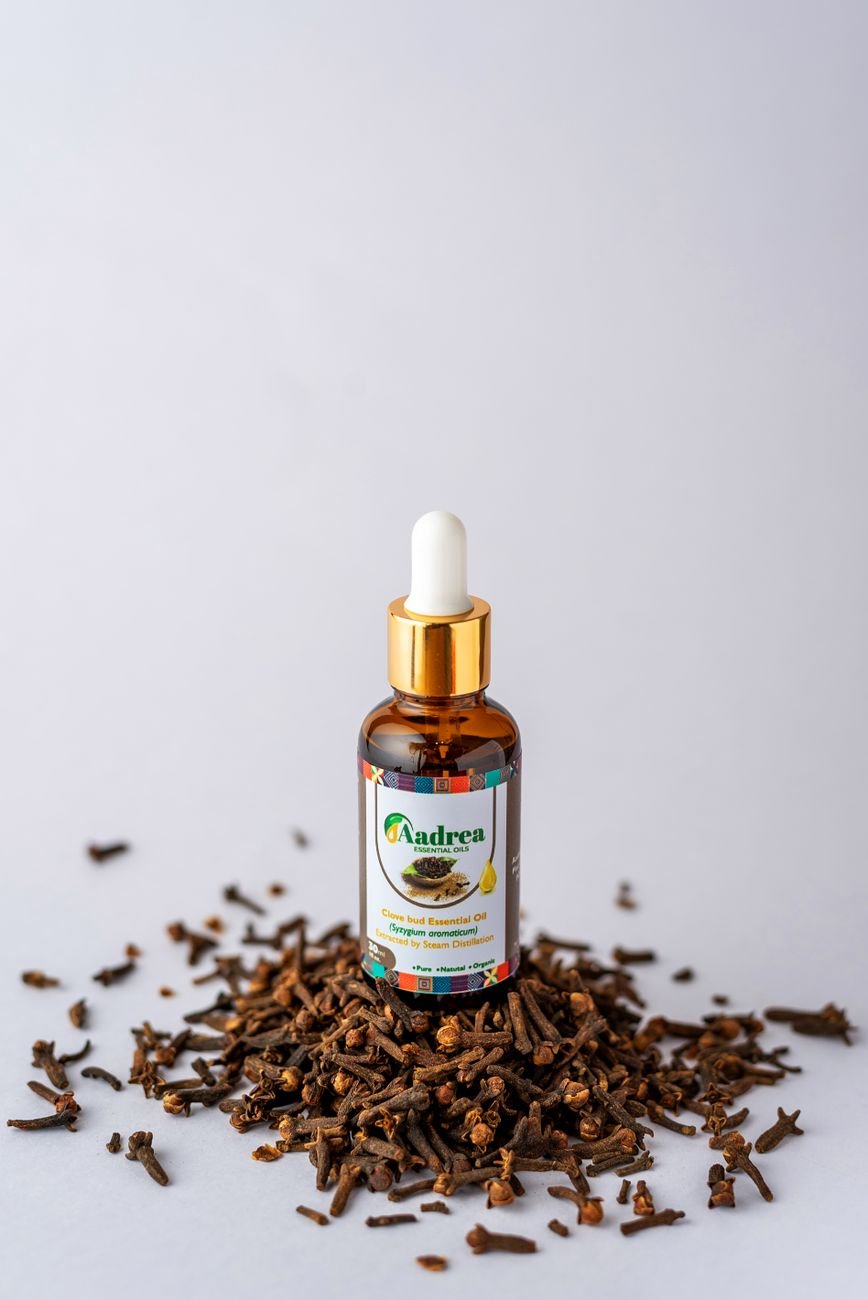
How to Take Clove Oil
Clove oil toothache products are applied directly to the painful tooth, typically by moistening a small cotton pellet with 1 to 2 drops and placing it against or in the cavity for about a minute, then removing it. It’s for external, local use in the mouth only, not for swallowing. Applying it on an empty stomach or full stomach doesn’t affect how it works, since it isn’t absorbed the way an oral medication is; timing around meals isn’t a factor here the way it is with pills.
There isn’t a “missed dose” concept with an as-needed topical like this. Just use it again if pain returns, without exceeding the label’s maximum frequency. Your pharmacist or prescribing physician will determine the correct dose for your situation.
Side Effects
Common Side Effects
A brief stinging or burning sensation right after application is common and expected, since that’s part of how the numbing effect sets in. Some people notice a strong clove taste or smell lingering afterward. Mild, temporary irritation of the gum tissue right around the application site can also happen, especially with repeated use.
Serious Side Effects That Require Immediate Attention
Stop using clove oil and contact a healthcare provider if you notice ongoing irritation, inflammation, fever, or signs of infection such as swelling or pus, none of which clove oil is meant to treat. Undiluted or overused eugenol can chemically burn oral tissue, turning it white and painful, so more frequent use is not a shortcut to more relief. If clove oil is accidentally swallowed in any meaningful amount, especially by a child, call Poison Control or 911 immediately. Ingested eugenol has caused serious reactions including liver injury, drowsiness progressing to coma, low blood sugar, and breathing difficulty, and children are especially vulnerable because of their smaller body size.
Warnings and Precautions
Clove oil toothache products don’t carry an FDA black box warning. That doesn’t mean it’s risk-free; the label itself warns against swallowing it, against use for more than 7 days, and against exceeding the recommended dose. Don’t use it if you’re allergic to eugenol or clove oil. Avoid contact with the eyes.
Eugenol has a mild antiplatelet effect, meaning it can slightly increase bleeding tendency. This matters most for anyone taking blood thinners such as warfarin, clopidogrel, or high-dose aspirin, or anyone with a bleeding disorder; mention clove oil use to your pharmacist if either applies to you. There isn’t well-established safety data for clove oil use during pregnancy or breastfeeding at dental-treatment doses, so pregnant or nursing patients should check with a pharmacist or physician before using it.
| Situation | What to Do |
|---|---|
| Mild throbbing tooth pain, no swelling or fever | Clove oil for temporary relief is reasonable; see a dentist within 48 hours |
| Pain plus facial swelling or fever | Seek dental or medical care promptly; do not rely on clove oil alone |
| Pain lasting more than 7 days | Stop use and see a dentist; the underlying cause needs treatment |
| Accidental swallowing | Call Poison Control or 911 immediately |
Who Should Not Take Clove Oil
Anyone with a known eugenol or clove allergy should avoid it entirely. It isn’t appropriate as a long-term or repeated daily solution for chronic tooth pain, since ongoing pain almost always points to a cavity, infection, or other problem that needs a dentist’s attention rather than repeated numbing. People on blood thinners or with bleeding disorders should check with a pharmacist first. It should never be given to young children without a dentist’s or doctor’s specific direction, given the reported cases of serious harm from ingestion in kids.
Storage and Disposal
Store clove oil toothache products in a tightly sealed container between about 46°F and 90°F, away from heat and out of direct sunlight. Keep it well out of reach of children, since even small ingested amounts can be dangerous; if a child swallows any, contact Poison Control immediately rather than waiting to see what happens. Since it’s a non-controlled OTC product, it can generally go out with household trash once empty or expired, cap secured. If you’d rather not do that, South Fork Pharmacy can point you to the nearest DEA Take Back location, or you can search one yourself at deadiversion.usdoj.gov/drug_disposal/takeback.

Helpful Resources
- dailymed.nlm.nih.gov — the official FDA drug facts label for eugenol toothache medication.
- ncbi.nlm.nih.gov (NIH) — NIH LiverTox overview of eugenol, including overdose and liver-safety data.
- medlineplus.gov — NIH’s overview of dental disorders and when to seek care.
If a toothache is keeping you up at night, the pharmacists at South Fork Pharmacy in Moorefield can help you figure out what’s reasonable to try in the meantime and when it’s time to get to a dentist instead.
Frequently Asked Questions
How fast does clove oil work on a toothache?
Many people notice numbing within a few minutes of applying it directly to the painful tooth, since it works locally rather than needing to be absorbed and circulated through the body. How fast and how well it works can vary from person to person and depends on what’s actually causing the pain. If it isn’t providing meaningful relief, that’s worth mentioning to your pharmacist or dentist rather than using more or more often.
Can I use clove oil instead of seeing a dentist?
No. Clove oil only manages pain temporarily; it doesn’t treat a cavity, infection, or whatever is actually causing the toothache. The product’s own label instructs users to see a dentist within 48 hours of use. If you’re using clove oil repeatedly over several days, that’s a sign the underlying problem still needs professional treatment, and your pharmacist or physician can help you figure out next steps.
Is clove oil safe to use every day?
It’s meant for short-term, as-needed use, not a daily routine, and the label caps use at 7 days. Repeated or frequent application inside the mouth can irritate or even chemically burn delicate tissue over time. If pain is persistent enough that you’re reaching for it daily, that’s a reason to see a dentist rather than continue self-treating, and a pharmacist or physician can help you weigh your options.
Can clove oil be used for a child’s toothache?
Use in young children should only happen under a dentist’s or doctor’s direction, given documented cases of serious harm, including liver injury and central nervous system effects, when eugenol is ingested in meaningful amounts. Children’s smaller body size makes them more vulnerable to overdose than adults. If your child has a toothache, it’s worth calling your pharmacist or pediatric dentist before reaching for any home remedy.
Does clove oil interact with any medications?
Eugenol has a mild blood-thinning effect, which is worth flagging if you take warfarin, clopidogrel, high-dose aspirin, or another anticoagulant, or if you have a bleeding disorder. The interaction risk from occasional topical dental use is generally low, but it’s still worth mentioning to your pharmacist, especially if you’ll be using it more than once. Your pharmacist can review your full medication list and let you know if it’s a concern for you specifically.
What should I do if my toothache doesn’t improve with clove oil?
If pain persists, worsens, or comes with swelling or fever, that points to something clove oil isn’t designed to fix, most likely an infection or advanced cavity that needs dental treatment. Continuing to self-treat instead of seeing a dentist can allow the underlying problem to get worse. Reach out to your dentist, or talk to your pharmacist about what your next step should be.
Disclaimer: The information in this article is for educational purposes only and is not a substitute for professional medical advice, diagnosis, or treatment. Always seek the guidance of your physician, pharmacist, or other qualified health provider with any questions about a medication or medical condition. Never disregard professional medical advice or delay seeking it because of something you have read here. If you think you may be experiencing a medical emergency, call 911 immediately. Drug information changes regularly. Confirm current prescribing information with your pharmacist or physician. South Fork Pharmacy, Moorefield, West Virginia.