
Quick Answer: Chiggerex is an over-the-counter topical ointment whose active ingredient, benzocaine 10%, is a local anesthetic that numbs nerve endings to relieve the pain and itching of chigger bites, along with tick, mosquito, and other minor insect bites. It works on symptoms, not on chiggers themselves. It does not treat infection, and it is not approved for children under 2 without a doctor’s guidance.
Chiggerex for Chigger Bites: Does It Actually Work?
The itching starts a day or two after you were outside, small red welts clustered around your ankles, waistline, or anywhere clothing sat snug against skin. It gets worse before it gets better, and scratching only seems to spread the misery. If chiggers have been in the yard, the garden, or a hike through tall grass, this is a familiar late-summer story in Hardy County.
This article looks at what’s actually in Chiggerex, how its active ingredient works, what it can and can’t do, and what to watch for. If you’d rather just ask, the pharmacists at South Fork Pharmacy are glad to walk through it with you.
What Is Chiggerex and What Is It Used For?
Chiggerex is an FDA-regulated over-the-counter topical ointment. Its active ingredient is benzocaine at a 10% concentration, a local anesthetic used to temporarily relieve pain and itching from chigger bites, tick bites, mosquito bites, and other minor bug bites. It’s a symptom reliever, not an antiseptic or antihistamine, and it isn’t marketed to treat infection, allergic reaction, or any condition beyond bite-related pain and itch.
How Does Chiggerex Work?
Benzocaine belongs to a class of drugs called local anesthetics. Applied to the skin, it temporarily blocks nerve signals in that area, which is what dulls the sensation of pain and itch. It doesn’t reduce inflammation and it doesn’t do anything to chiggers that may still be on the skin. That’s why washing the area with soap and water is still worth doing before applying anything, since it removes any chiggers still attached and lowers the chance of a secondary skin infection from scratching.
Chiggerex also contains aloe vera, chamomile extract, peppermint oil, clove oil, and camphor. These aren’t FDA-regulated active ingredients, but they contribute to the product’s cooling, soothing feel and may help calm visible redness alongside the benzocaine.
How to Take Chiggerex
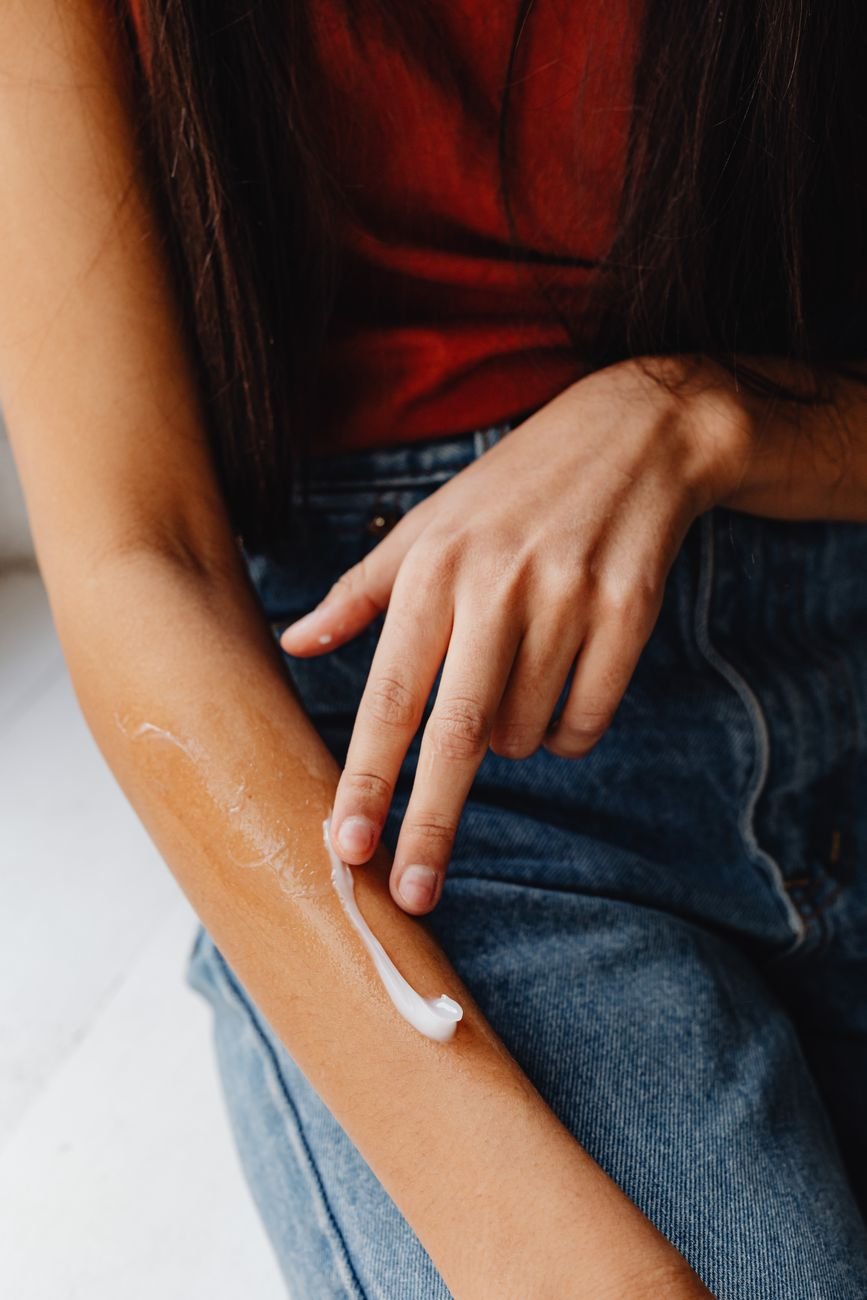
Chiggerex is for external use only. Wash the affected area with soap and water first, then apply a thin layer to the bite. For ages 12 and up, it can be used up to 3 to 4 times a day as needed. For children between 2 and 12, check with a pharmacist or doctor before use, and for children under 2, a doctor should be consulted first, since young children are more vulnerable to a rare but serious benzocaine side effect covered below. There’s no oral dose to miss since this is a topical product, just reapply as needed for symptoms, without exceeding the daily frequency on the label. Your pharmacist or prescribing physician will determine the correct dose for your situation.
Side Effects
Common Side Effects
Most people tolerate topical benzocaine well. A mild, brief stinging or cooling sensation right after application is common and not a cause for concern. Some people notice temporary redness or dryness around the treated area. These effects are generally minor and pass on their own.
Serious Side Effects That Require Immediate Attention
Stop use and contact a healthcare provider if a rash develops, if the bite area worsens instead of improving, or if symptoms last more than 7 days or clear up and then come back. Benzocaine, even in topical products, has been linked to a rare but serious condition called methemoglobinemia, which reduces the blood’s ability to carry oxygen. Call 911 or go to an emergency room immediately if you or a child develop pale, gray, or bluish skin, lips, or nail beds, along with shortness of breath, fatigue, confusion, or a rapid heart rate after using a benzocaine product. Symptoms can appear within minutes to hours of application, even after a single use.
Warnings and Precautions
Chiggerex does not carry an FDA black box warning, but the FDA has issued a formal drug safety communication about benzocaine-containing products and the risk of methemoglobinemia, most often in children under 2. For that reason, Chiggerex and similar benzocaine products are not approved for use in children younger than 2 without a doctor’s direction.
Avoid contact with the eyes. Don’t apply to large areas of broken or badly damaged skin, since more of the medication can be absorbed through open wounds. There’s no established interaction with common oral medications since Chiggerex is applied topically in small amounts, but tell your pharmacist about any other topical anesthetics or numbing products you’re using at the same time, since combining multiple benzocaine-containing products can raise the total dose absorbed. There isn’t reliable pregnancy or lactation safety data specific to topical Chiggerex; pregnant or breastfeeding patients should check with a pharmacist or physician before use.
| Ingredient | What It Does |
|---|---|
| Benzocaine 10% | Numbs nerve endings to relieve pain and itch |
| Aloe Vera | Soothes irritated skin |
| Chamomile Extract | Helps calm visible redness |
| Peppermint Oil | Adds a cooling sensation |
| Clove Oil | Mild soothing, antiseptic-adjacent property |
| Camphor | Additional cooling and itch relief |
Who Should Not Take Chiggerex
Children under 2 shouldn’t use Chiggerex unless a doctor has specifically directed it. Anyone with a known allergy to benzocaine or “-caine” type local anesthetics should avoid it entirely. It’s also not the right choice for large, widespread bite areas or broken skin covering a significant portion of the body, since more product means more benzocaine absorbed. If bites look infected, warm, swollen, or are oozing, that’s a reason to see a healthcare provider rather than continue self-treating with any topical product.
Storage and Disposal
Store Chiggerex at room temperature, away from excess heat and humidity, and keep the cap tightly closed between uses. Keep it out of reach of children and pets; if swallowed, contact Poison Control immediately. Because Chiggerex is a topical, non-controlled OTC product, it can generally be disposed of with household trash once empty or expired, with the cap secured. If you’d rather not put any medication-adjacent product in regular trash, South Fork Pharmacy can point you to the nearest DEA National Prescription Drug Take Back location; you can also search take-back sites yourself at deadiversion.usdoj.gov/drug_disposal/takeback.

Helpful Resources
- fda.gov — the FDA’s safety communication on benzocaine and the risk of methemoglobinemia.
- medlineplus.gov — NIH overview of chiggers, symptoms, and treatment.
- medlineplus.gov — NIH consumer drug information covering topical benzocaine combination products.
- cdc.gov — CDC guidance on preventing chigger, tick, and mosquito bites, including permethrin-treated clothing.
If you’re dealing with chigger bites that aren’t settling down, or you’re not sure whether Chiggerex is the right choice for a child or someone with other health conditions, stop by South Fork Pharmacy in Moorefield. Our pharmacists are happy to talk through your options in person.
Frequently Asked Questions
Is Chiggerex safe for children?
Chiggerex can generally be used for children ages 2 and older, though many parents check with a pharmacist first when treating a child for the first time. It is not approved for children under 2 without a doctor’s direction, because of the rare but serious methemoglobinemia risk linked to benzocaine in young children. If you’re treating a toddler or infant’s bites, talk to your pharmacist or pediatrician before using any benzocaine product.
How is Chiggerex different from calamine lotion?
Calamine lotion works differently, primarily drying and protecting irritated skin rather than numbing nerve endings the way benzocaine does. Some people find one more effective than the other for their symptoms, and there’s no single answer that works for everyone. If you’re unsure which fits your situation, your pharmacist can walk through the difference in person.
Can I use Chiggerex on broken skin or open sores?
It’s best avoided on significantly broken or open skin, since more of the medication can be absorbed than intended and the area is already more vulnerable to infection. Light scratching that hasn’t broken the skin is generally fine to treat. If a bite has become an open sore, a pharmacist or doctor can advise on whether a different approach is more appropriate.
How many times a day can I apply Chiggerex?
For ages 12 and up, the label allows up to 3 to 4 applications a day as needed for symptoms. Younger children may need a different frequency or may not be appropriate candidates at all. Confirm the right routine for your situation with your pharmacist or prescribing physician.
Does Chiggerex actually kill chiggers still on the skin?
No, Chiggerex is a symptom reliever, not an insecticide, and it isn’t intended to kill or remove chiggers. Washing the skin thoroughly with soap and water is the recommended way to remove any chiggers still attached before treating the itch and pain. If you’re not sure whether chiggers are still present or whether the bites need a different kind of care, ask your pharmacist.
When should I see a doctor instead of using Chiggerex?
See a doctor if bites look infected, are unusually swollen or warm, spread rapidly, or come with a fever, and if symptoms don’t improve after about a week of self-care. Watch closely if you’re treating a young child, since it’s harder for them to describe worsening symptoms. Your pharmacist or physician can help you tell the difference between a normal healing bite and something that needs medical attention.
Disclaimer: The information in this article is for educational purposes only and is not a substitute for professional medical advice, diagnosis, or treatment. Always seek the guidance of your physician, pharmacist, or other qualified health provider with any questions about a medication or medical condition. Never disregard professional medical advice or delay seeking it because of something you have read here. If you think you may be experiencing a medical emergency, call 911 immediately. Drug information changes regularly. Confirm current prescribing information with your pharmacist or physician. South Fork Pharmacy, Moorefield, West Virginia.