
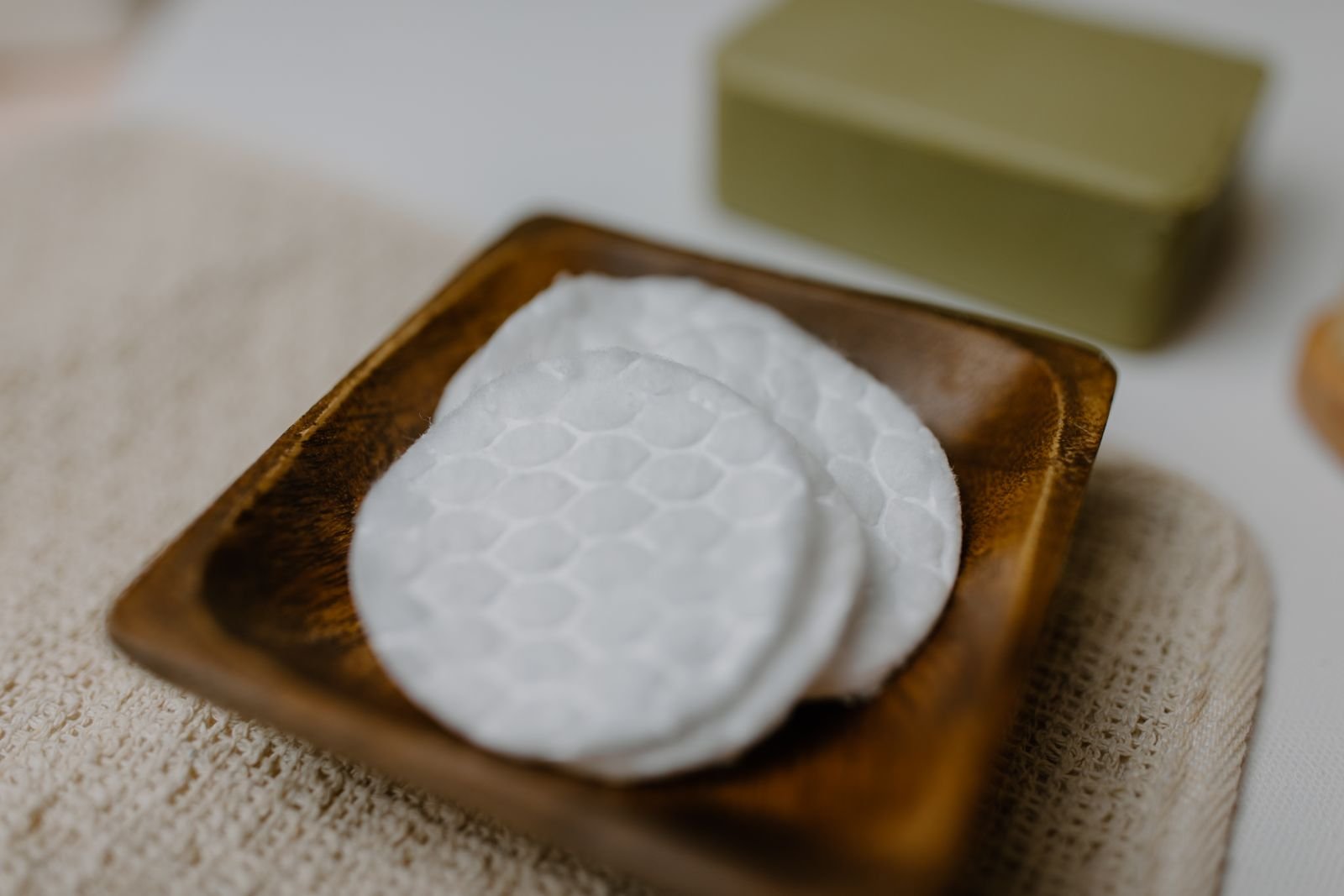
Tucks pads are round cotton pads soaked in witch hazel 50 percent, an astringent that temporarily relieves hemorrhoid itching, burning, and irritation. You can wipe or pat with a pad after a bowel movement, or fold one and hold it in place as a cooling compress for up to 15 minutes. They are for external use only, and they should not be flushed.
Tucks Pads: What’s In Them And How To Use Them
Tucks pads have been a medicine cabinet staple for decades, and many people reach for them the moment hemorrhoids start to itch. They are simple, gentle, and easy to use, but there is more to using them well than wiping and tossing.
This guide covers what is in Tucks medicated pads, how to use them for cleaning and as a compress, practical tips for storing and traveling with them, and the label warnings to know. For a broader look at the ingredient itself, see our article Do Witch Hazel Wipes Actually Work For Hemorrhoids? These are the questions the pharmacists at South Fork Pharmacy in Moorefield, WV hear most about Tucks.
What Are Tucks Pads
Tucks Medicated Cooling Pads are small, round, pre-moistened cotton pads sold in a jar or tub, commonly in counts of 40 or 100. They are an OTC drug product for hemorrhoids and are also widely used after childbirth for soreness around the perineum, with a doctor’s or midwife’s guidance.
The label lists their uses as temporary relief of itching and discomfort associated with hemorrhoids, temporary protection of irritated anorectal areas, and temporary relief of irritation and burning. That is a fair summary of what they do. They soothe and clean. They do not numb pain, reduce swelling in any lasting way, or treat the cause of hemorrhoids.
The brand has also offered other products over the years, such as hemorrhoidal ointment and multi-care kits. This article focuses on the classic medicated cooling pads, which is what most people mean by Tucks pads or Tucks medicated pads.
Their appeal is simplicity. There is no applicator, no cream on your fingers, and no greasy residue. Many people find them especially comforting after a bowel movement, when the area is most irritated and dry toilet paper feels rough.
It helps to know where Tucks fit among other hemorrhoid products. They sit at the gentle end of the range. Creams with lidocaine numb pain, products with phenylephrine can temporarily reduce swelling, hydrocortisone can calm stubborn itching for a short time, and protectant ointments form a barrier. Tucks do none of those things strongly. What they do well is clean and soothe without adding much risk, which is why many people use them alongside a stronger product rather than instead of one.
Store brands are widely available too. Many pharmacies and big-box stores sell witch hazel hemorrhoid pads under their own label with the same 50 percent witch hazel as the active ingredient. If the Drug Facts panel matches, the main differences are price, pad texture, and how well the jar keeps the pads moist.
What’s In Them
The active ingredient is witch hazel at 50 percent, listed on the Drug Facts panel as an astringent. Witch hazel is recognized in the FDA’s OTC monograph for anorectal products at concentrations from 10 to 50 percent, so Tucks pads are at the top of the allowed range.
The inactive ingredients on the current label include purified water, glycerin, citric acid, sodium citrate, and preservatives such as phenoxyethanol, potassium sorbate, and disodium EDTA. Glycerin helps keep the skin moist and soft. Citric acid and sodium citrate keep the pH in a skin-friendly range. The preservatives keep the moist pads from growing bacteria or mold once the jar is opened.
Notably, the classic Tucks pads do not list alcohol or fragrance among their inactive ingredients, which is one reason many people with sensitive skin tolerate them well. Formulations can change, though, and store brands may differ, so check the label on the package you buy.
Witch hazel works by gently tightening the surface of irritated skin, which can make it feel less raw and itchy. The effect is real but mild and temporary. That makes Tucks a good first step for mild symptoms and a useful companion to other products for more stubborn ones.
Because the pads are moist, they also lose some of their liquid over time once the jar has been opened, especially if the lid is not closed tightly. A jar that has been sitting open for months may not feel as cooling as a fresh one. Check the expiration date on the jar, and if you only use a few pads now and then, the smaller 40-count jar may serve you better than the 100-count size. That way you are less likely to end up with dry pads at the bottom of a large jar.
How To Use Tucks Pads
The label directs adults to clean the affected area first when practical, with mild soap and warm water, then rinse thoroughly and gently pat or blot dry with toilet tissue or a soft cloth. Then gently apply a pad to the area by patting or blotting. Throw the pad away after use and wash your hands.
The label allows use up to six times a day or after each bowel movement. Many people use one right after a bowel movement instead of dry toilet paper, patting rather than wiping to avoid rubbing swollen skin.
For extra soothing, you can use a pad as a moist compress. Fold a pad and place it against the irritated area, then leave it in place for up to 15 minutes. Some people tuck it gently between the buttocks while lying down or resting. You can repeat this as needed, but do not exceed the label’s directions for use.
For children under 12, the label says to ask a doctor. If you also use a hemorrhoid cream or ointment, many people find it works well to clean with a Tucks pad first, let the area dry, and then apply the cream. A pharmacist can confirm the combination is fine for your products.
Practical Tips: Compresses, Storage, Travel And Why Not To Flush
Most articles about Tucks pads repeat the label and stop. In South Fork Pharmacy’s experience, the everyday details are where people have the most questions, so here are a few practical tips.
For a cooler compress, some people keep the jar in the refrigerator. The label does not require this, but a chilled pad can feel especially soothing during a flare. Do not freeze the pads. Keep the lid tightly closed so the pads do not dry out, and use a clean, dry finger or a pair of clean tweezers to lift out one pad at a time so you do not contaminate the rest. If the pads become dry, discolored, or smell unusual, replace the jar.
For travel, you can put a few pads in a small resealable bag or a clean, small container with a tight lid. They will stay moist for a day or two if sealed well. Some brands and store brands also sell individually wrapped witch hazel wipes, which are handy for a purse, a glove box, or a long workday.
Do not flush the pads. The Tucks label says to discard them after use, and cotton pads do not break down quickly in water. They can clog home plumbing and are a particular problem for septic systems, which many homes in Hardy County rely on. Put used pads in a lined trash can, ideally one with a lid.
One more tip: pair the pads with good bowel habits. Tucks soothe the area after each bowel movement, but soft, easy stools mean less irritation to soothe in the first place. More fiber, more water, and not straining or lingering on the toilet will do more over a week or two than any number of pads. Many people find the combination of soft stools, a warm sitz bath, and Tucks after each bowel movement is enough to get through a mild flare comfortably.
Warnings And When To Stop
Tucks pads are for external use only. The label says not to put the pad into the rectum by using fingers or any mechanical device or applicator. Do not use more than directed unless a doctor tells you to.
Stop use and ask a doctor if rectal bleeding occurs, or if the condition worsens or does not improve within seven days. Bleeding is listed as a stop-use sign because it needs a proper evaluation, not ongoing home treatment.
Although Tucks pads are gentle, allergic reactions to witch hazel or other ingredients are possible. Stop using them if you develop new redness, a rash, swelling, or increased burning. Keep the jar out of reach of children, and if pads are swallowed, get medical help or contact Poison Control right away.
If you are using Tucks after childbirth, follow your doctor’s or midwife’s directions, especially if you had stitches. And as with any OTC product, check with a pharmacist if you are unsure whether it fits with your other treatments.

When To Stop Self-Treating And Call A Doctor
Call your doctor if bleeding is heavy or keeps coming back, if symptoms have not improved within seven days, or if pain is severe. A sudden, hard, very painful lump may be a clotted hemorrhoid, and a doctor may be able to bring faster relief.
Also call if your bowel habits change for more than a few days, such as new constipation, diarrhea, or narrower stools, or if you see dark, maroon, or black stool. If bleeding comes with dizziness or weakness, seek care the same day.
If you are comparing Tucks with other products, our article on Preparation H versus Tucks may help. Our pharmacy services team is glad to talk through options, and our medication information library has more on OTC hemorrhoid care.
Need Tucks pads or want to compare alternatives? Stop by South Fork Pharmacy, 732 N Main St in Moorefield, and a pharmacist will help you choose between Tucks, store-brand witch hazel pads, and other options that suit your symptoms.
Frequently Asked Questions
What is the active ingredient in Tucks pads?
Tucks medicated pads contain witch hazel 50 percent as an astringent. Check your package label, since formulations can change.
Can I put a Tucks pad inside?
No. The label says they are for external use only and should not be inserted into the rectum.
How long can I leave a Tucks pad on as a compress?
The label allows up to 15 minutes at a time. You can repeat as needed without going over the directions on the package.
Can I flush Tucks pads?
No, throw them in the trash. They can clog pipes and septic systems.
Is it okay to keep Tucks pads in the fridge?
Many people do, because a chilled pad feels extra soothing. Keep the lid tight, and do not freeze them.
Are Tucks pads safe to use after giving birth?
They are commonly used after childbirth, but follow your doctor’s or midwife’s advice, especially if you had stitches. The pharmacists at South Fork Pharmacy can also answer questions about postpartum comfort products.
Disclaimer: The information in this article is general information for educational purposes only and is not a substitute for individualized medical advice, diagnosis, or treatment from a pharmacist or doctor. Product formulations vary, so always follow the label on your package. If you think you may be experiencing a medical emergency, call 911 immediately. South Fork Pharmacy, Moorefield, West Virginia.