
Alcohol can make hemorrhoids worse, but mostly in indirect ways. It can dehydrate you and lead to harder stools and straining, and heavy drinking can cause diarrhea that irritates the area. Evidence that alcohol directly worsens hemorrhoids is limited. Rectal bleeding in someone who drinks heavily should always be checked, because it may not be from hemorrhoids.
Can Alcohol Make Hemorrhoids Worse?
Can alcohol make hemorrhoids worse? For many people, yes, though usually not in the way they expect. The main problem is what alcohol does to your fluid balance and your bowels, not some direct effect on the hemorrhoids themselves.
This article is not here to lecture anyone about drinking. It explains the realistic connections between alcohol and hemorrhoid flares, clears up a common mix-up with liver-related bleeding, and offers practical tips. It is the same straight answer the pharmacists at South Fork Pharmacy in Moorefield, WV would give across the counter.
The Short Answer: Mostly An Indirect Effect
There is not strong research showing that alcohol directly causes hemorrhoids or makes them swell. What is well understood is how alcohol affects the things that do drive hemorrhoid flares: stool consistency, straining, and irritation around the anus.
Alcohol acts as a diuretic, meaning it makes you pass more urine. If you do not replace that fluid, your body pulls more water out of the stool, which can leave it harder and drier the next day. Hard stools lead to straining, and straining is one of the most common triggers for hemorrhoid swelling and bleeding.
For other people, heavier drinking causes the opposite problem: loose, frequent stools. Repeated diarrhea and frequent wiping irritate the skin around the anus and can aggravate external hemorrhoids. Drinks are also often paired with salty, spicy, or greasy foods, which some people find worsen their symptoms.
So the honest answer is that alcohol is a contributing factor rather than a direct cause for most people. A drink or two with a meal and plenty of water is unlikely to make much difference. Several drinks, little water, and a low-fiber diet are far more likely to set up a flare.
It also depends on the person. Someone who already struggles with constipation, eats little fiber, or sits most of the day is more likely to notice a flare after drinking than someone who is active, well hydrated, and regular. Age plays a role too, since thirst signals weaken as we get older, and older adults can become dehydrated more easily after even a modest amount of alcohol.
Some medicines add to the effect. Opioid pain relievers, some antidepressants, iron supplements, and certain blood pressure medicines can cause constipation on their own. Combine those with alcohol’s drying effect and a flare becomes more likely. Alcohol can also interact with many prescription medicines in other ways, so it is worth asking a pharmacist about your own list.
How Alcohol Can Lead To Constipation Or Diarrhea
Alcohol suppresses a hormone that normally helps the kidneys hold on to water. That is why drinking leads to more trips to the bathroom and, often, mild dehydration the next morning. When the body is low on fluid, the colon absorbs more water from stool as it passes through, leaving it firmer and harder to pass.
Alcohol also affects how the gut moves. In some people it speeds things up and in others it slows them down, depending on the amount, the type of drink, what was eaten, and individual differences. Beer and sugary mixed drinks can cause loose stools in some people, while others notice they are constipated after a night of drinking.
Heavy drinking can irritate the lining of the stomach and intestines and change the balance of gut bacteria, both of which may contribute to diarrhea. Long-term heavy drinking is also linked to poor diet, low fiber intake, and less physical activity, all of which make constipation more likely.
Either way, the effect on hemorrhoids is similar: more pressure and more irritation in the area. Hard stools stretch and scrape swollen tissue, and frequent loose stools rub and inflame it. Keeping stools soft and regular is the single most useful thing you can do for hemorrhoids, and alcohol can work against that.
A practical way to find out whether alcohol affects you is to watch the pattern for a few weeks. Note the days you drink, how much water you have, and how your bowel movements and hemorrhoid symptoms feel the next day or two. Many people spot a clear link quickly, and others find their flares line up better with low-fiber days or long hours of sitting. Either way, you end up with useful information about your own triggers rather than general advice.
Liver Disease, Portal Hypertension And Why It Is Different
There is a common belief that heavy drinkers get hemorrhoids because of liver damage. The real picture is more specific. Long-term heavy drinking can scar the liver, a condition called cirrhosis, which raises pressure in the vein system that carries blood from the gut to the liver. That higher pressure is called portal hypertension.
Portal hypertension can cause enlarged veins called varices. These most often form in the esophagus and stomach, and sometimes in the rectum, where they are called rectal varices. Rectal varices are not the same as hemorrhoids, even though both involve swollen blood vessels near the anus.
The difference matters. Hemorrhoids usually cause small amounts of bleeding. Varices can bleed heavily and quickly, and bleeding from varices anywhere in the digestive tract can be life threatening. Studies have generally not found that people with cirrhosis have more true hemorrhoids than others, but they do have a higher risk of varices and other serious bleeding.
This is not something you can sort out at home. If you have liver disease or drink heavily and notice rectal bleeding, do not assume it is hemorrhoids. Tell your doctor, and seek emergency care if bleeding is heavy or comes with dizziness or vomiting blood.
Telling Hemorrhoid Bleeding Apart From Other Bleeding If You Drink Heavily
Most articles on alcohol and hemorrhoids list dehydration and constipation and leave it there. What they rarely address is the person who drinks heavily and is seeing blood. For that person, the question is not only whether alcohol is worsening hemorrhoids, but whether the bleeding is coming from somewhere else entirely.
Heavy drinking raises the risk of several kinds of digestive bleeding. These include varices from liver disease, irritation and ulcers in the stomach, and tears in the esophagus from vomiting. Alcohol can also affect the liver’s ability to make clotting factors and lower platelet counts, so any bleeding may be heavier or harder to stop.
Some clues point away from simple hemorrhoid bleeding. Black, tarry stools or dark maroon blood suggest bleeding higher in the digestive tract. Vomiting blood or material that looks like coffee grounds is an emergency. Heavy bright red bleeding, clots, or bleeding with lightheadedness, a fast heartbeat, or confusion needs immediate care. Yellowing of the skin or eyes, a swollen belly, or easy bruising are signs of liver trouble worth reporting.
Even small amounts of bright red blood should be mentioned to a doctor if you drink heavily, because your risk profile is different. In South Fork Pharmacy’s experience, people sometimes hesitate to bring up drinking with their doctor. An honest answer about how much you drink helps your doctor think about the right causes and the right tests. It is medical information, not a judgment.
Practical Tips If You Drink And Have Hemorrhoids
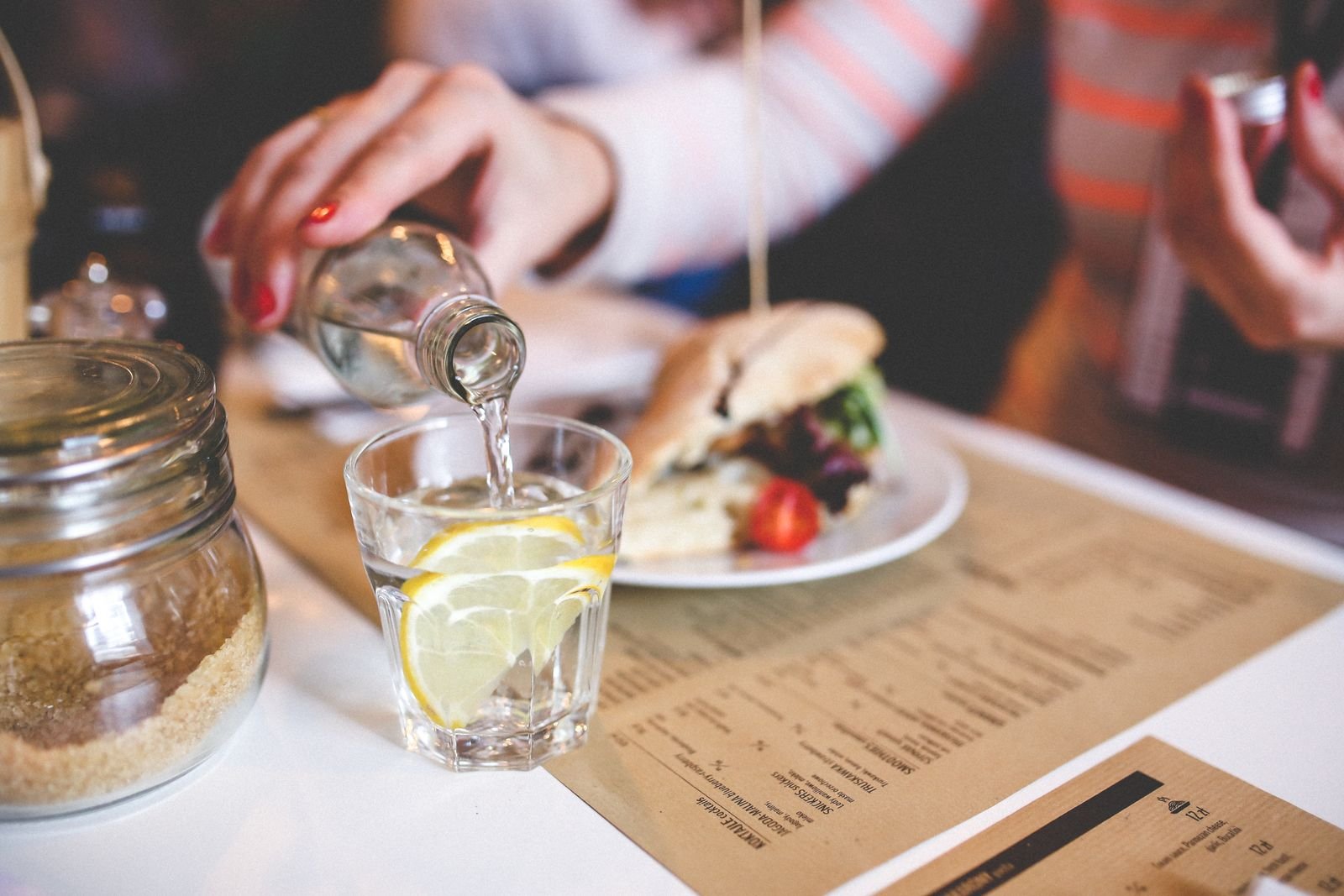
Hydration is the first step. A simple habit is to drink a glass of water with each alcoholic drink and another before bed. That helps offset the diuretic effect and keeps stools from drying out. Pay attention to the next morning too, and start the day with water rather than only coffee.
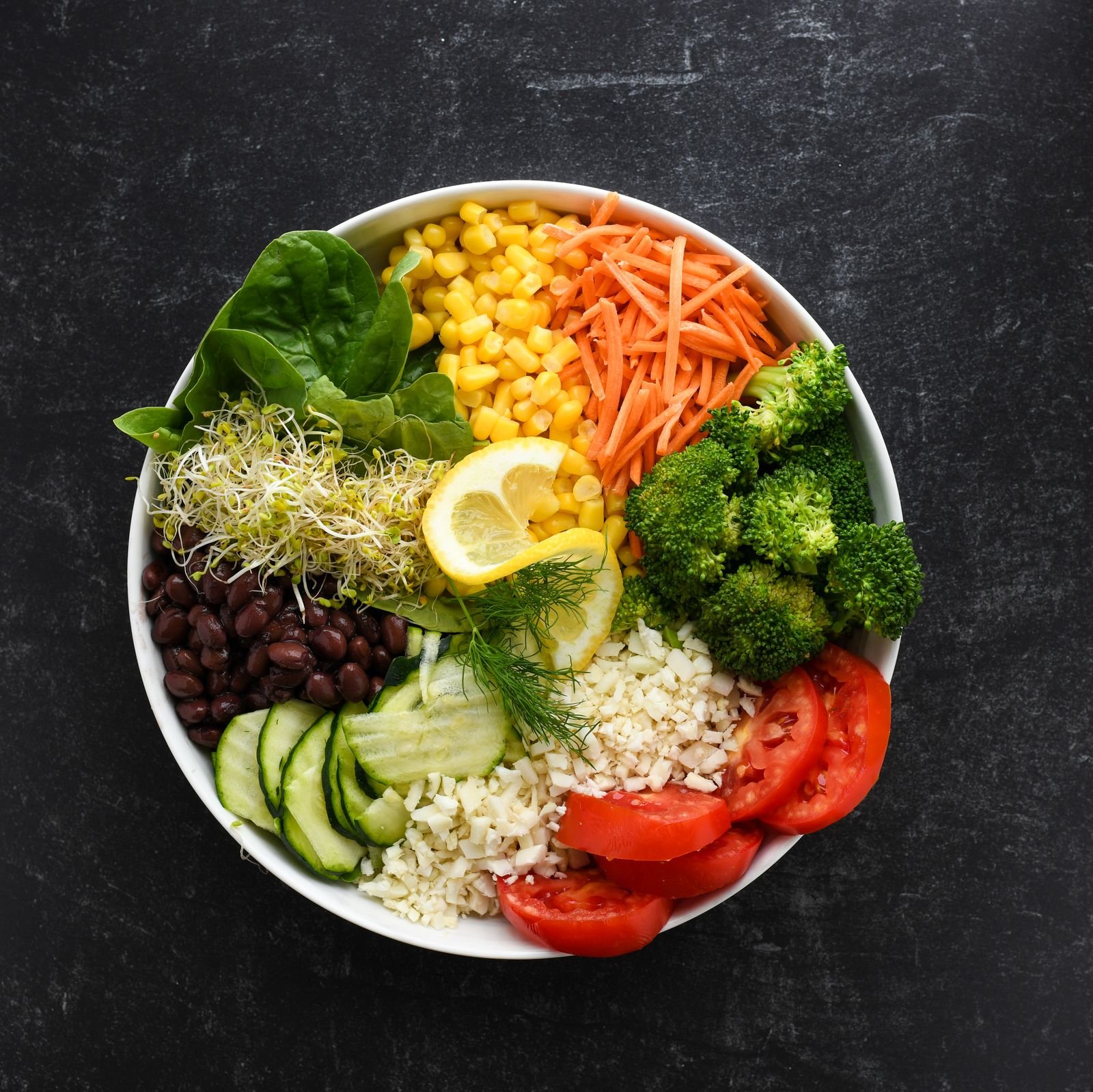
Keep fiber steady. Most adults need around 25 to 35 grams a day, and many fall well short. Beans, oats, fruits, vegetables, and whole grains help, and a fiber supplement such as psyllium can fill the gap. Pair drinks with food, ideally something with fiber rather than only salty snacks.
Moderation helps in a practical sense. Fewer drinks per occasion and alcohol-free days through the week reduce dehydration and gut irritation. If you notice that certain drinks, such as beer or sugary cocktails, upset your stomach or bowels, those may be the ones to cut back on during a flare.
If constipation still creeps in, a stool softener such as docusate or an osmotic laxative such as polyethylene glycol may help. Ask a pharmacist which fits, especially if you take other medicines or have liver or kidney problems. And if you have been thinking about cutting back on drinking for other reasons, your doctor can help with that too.
Finally, give yourself some grace during a flare. A week of extra water, more fiber, and fewer drinks often makes a noticeable difference, and warm sitz baths and OTC comfort products can ease symptoms while the area settles. If a flare follows every weekend of heavier drinking, that pattern is worth noticing and worth mentioning to your doctor.
When To Stop Self-Treating And Call A Doctor
Call your doctor if bleeding is heavy or keeps coming back, if your symptoms have not improved within about seven days of home care, or if pain is severe. A sudden, hard, very painful lump may be a clotted hemorrhoid, and a doctor may be able to help.
Also call if your bowel habits change for more than a few days, or if you see dark, maroon, or black stool. If you drink heavily or have liver disease, have any rectal bleeding checked, and seek emergency care for heavy bleeding, vomiting blood, dizziness, or confusion.
Our pharmacy services team can help you think through fiber, stool softeners, and comfort products, and our medication information library has more detail on each.
Want help keeping things regular? Ask a pharmacist at South Fork Pharmacy, 732 N Main St in Moorefield, about fiber supplements and stool softeners that fit your health and the other medicines you take.
Frequently Asked Questions
Does beer make hemorrhoids worse than liquor?
There is no good evidence that one type of drink is worse for hemorrhoids. Some people find beer causes loose stools, while others notice constipation with any alcohol, so pay attention to your own pattern.
Can one night of drinking cause a hemorrhoid flare?
It can for some people, especially if they get dehydrated and strain the next day. Drinking water alongside alcohol and eating fiber may lower that risk.
Should I stop drinking completely if I have hemorrhoids?
Not necessarily, but cutting back during a flare and staying well hydrated may help. Your doctor can give advice that fits your overall health.
Is rectal bleeding after drinking a sign of something serious?
It might be hemorrhoids, but in people who drink heavily it can also come from other sources. Have it checked by a doctor, and get emergency care if it is heavy or comes with dizziness.
What can I take for constipation after drinking?
Water, fiber, and sometimes a stool softener or gentle laxative can help. A pharmacist at South Fork Pharmacy can recommend an option based on your health and other medicines.
Are hemorrhoids a sign of liver damage?
No, hemorrhoids themselves are not a sign of liver damage. Liver disease can cause rectal varices, which are different and can bleed heavily, so any bleeding in someone with liver disease needs a doctor.
Disclaimer: The information in this article is general information for educational purposes only and is not a substitute for individualized medical advice, diagnosis, or treatment from a pharmacist or doctor. Product formulations vary, so always follow the label on your package. If you think you may be experiencing a medical emergency, call 911 immediately. South Fork Pharmacy, Moorefield, West Virginia.