
An ice pack on piles may ease swelling and pain for some people, especially in the first day or two of a flare. Always wrap the ice pack in a thin cloth, never put ice directly on the skin, and limit each session to about 10 to 15 minutes. Cold does not shrink or cure hemorrhoids, but it can make a sore flare more bearable.
Ice Pack On Piles: Does It Help And How Do You Use It Safely?
Using an ice pack on piles is one of the oldest home remedies around, and it costs next to nothing. It can help, but only if it is done safely, because the skin around the anus is thin and easy to damage with too much cold.
This guide explains why cold may ease symptoms, how to use it without hurting your skin, how it compares with warmth, and which kind of cold pack is most practical. It is the kind of advice the pharmacists at South Fork Pharmacy in Moorefield, WV share every week with customers looking for simple relief.
Why Cold May Ease Swelling And Pain
Cold causes small blood vessels to narrow temporarily. When applied to swollen tissue, that can reduce the amount of fluid that collects in the area and may ease the puffy, tight feeling of a flared hemorrhoid. It is the same reason people ice a sprained ankle.
Cold also slows nerve signals. That is why a cold pack feels numbing after a few minutes. For a hemorrhoid that throbs or burns, that brief numbness can be a real relief, particularly before or after a bowel movement or at bedtime when the discomfort makes it hard to settle.
It is important to be realistic about what cold can and cannot do. The effect is temporary, usually lasting a short while after the pack comes off. It does not shrink a hemorrhoid in any lasting way, it does not dissolve a clot in a thrombosed hemorrhoid, and it does not fix the constipation or straining that caused the flare in the first place.
There is not much formal research on ice for hemorrhoids specifically. Most of the support comes from what we know about cold therapy for swelling in general and from the experience of patients and clinicians. Many people find it soothing, and some find it does little. Both are normal, and it is fine to try it and see.
How To Use An Ice Pack On Piles Safely
The first rule is a barrier. Always wrap the ice pack in a thin cloth, such as a clean dish towel, a pillowcase, or a paper towel folded a few times. Ice placed directly on the skin can cause cold injury, sometimes called ice burn, and the delicate skin around the anus is especially vulnerable. If the pack has a cloth cover already, check that it is thin enough to feel cool but not so thin that you feel sharp cold.
The second rule is time. Keep each session to about 10 to 15 minutes. Set a timer, because it is easy to doze off or lose track, especially at night. After a session, give the skin at least an hour to return to normal temperature before using cold again. Many people use cold two or three times a day during the worst part of a flare.
Check your skin. After you remove the pack, the skin should look slightly pink and feel cool. If it looks white, waxy, or grayish, feels hard, or stays numb for a long time, you have used it too long or too cold. Warm the area gently with your body heat, not hot water, and skip cold for the rest of the day. Blisters or lasting numbness are reasons to call a doctor.
Keep the area clean and dry. A wet cloth from condensation can make the skin soggy and irritated. Change to a fresh, dry cloth each time, and pat the area dry afterward. If you are also using an OTC cream or ointment, apply it after the cold session once the skin is dry, following the directions on your label.
Ice Versus A Warm Sitz Bath Or Heating Pad
Cold and warmth both have a place, and they are not as opposite as they sound. Cold tends to suit the first day or two of a flare, when swelling is fresh and the area feels hot, puffy, and tender. It may also help briefly after a painful bowel movement.
Warmth tends to suit the days after that. A warm sitz bath, sitting in a few inches of plain warm water for 10 to 15 minutes, relaxes the muscles around the anus, may improve blood flow, and helps keep the area clean. It is one of the most commonly recommended home measures for hemorrhoids, and many people find it more comfortable than cold once the first day or two have passed.
Some people alternate, using cold earlier in the day and a warm sitz bath in the evening, or cold right after a bowel movement and warmth before bed. That is reasonable as long as you protect your skin from both extremes. For dry heat, such as a heating pad, see our article on using a heating pad for hemorrhoids, which covers the timing and safety cautions in detail.
Whichever you choose, comfort is the goal. If cold makes the area feel worse or tense, switch to warmth. If warmth makes a fresh flare throb, try cold. Your body will usually tell you fairly quickly which one it prefers.
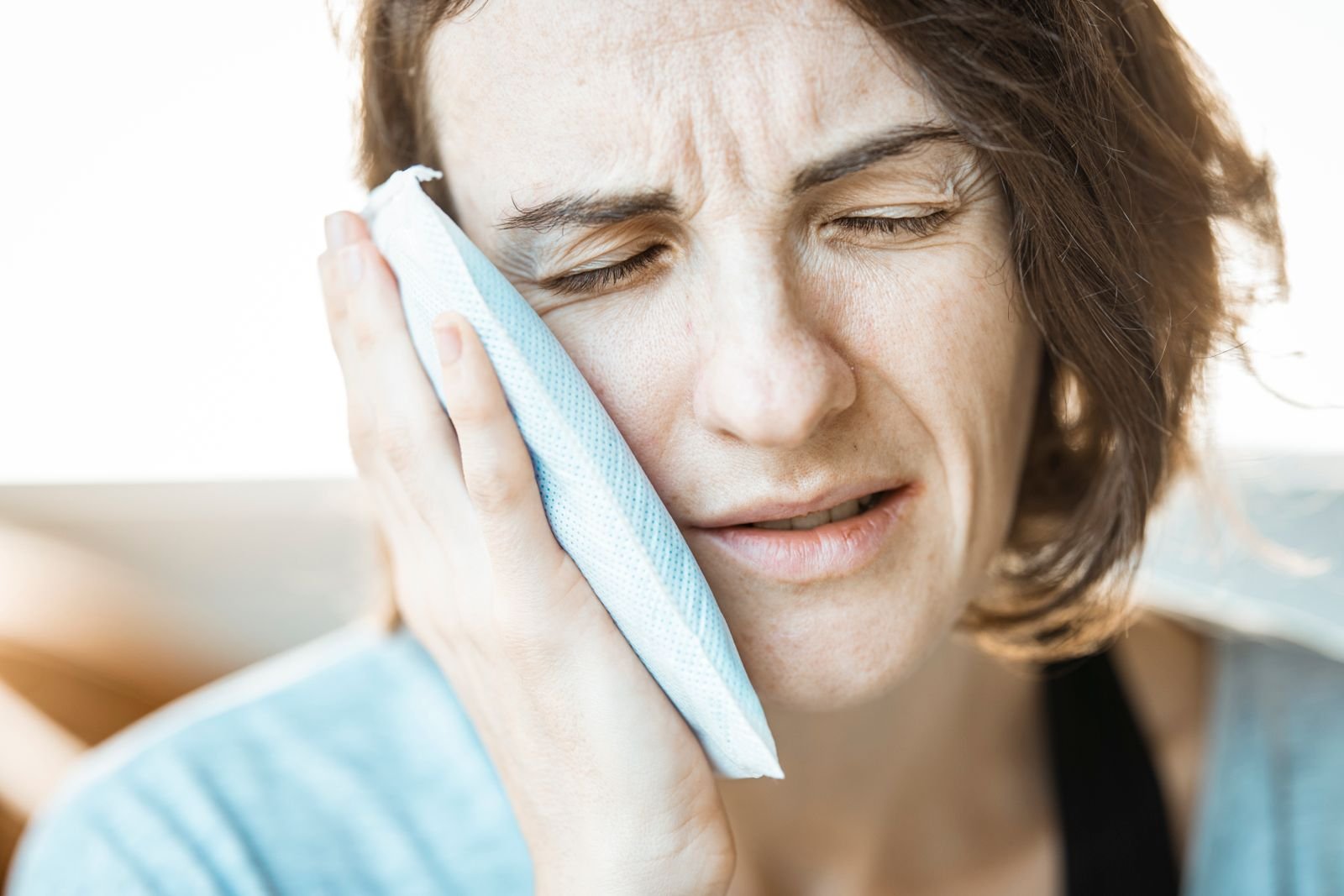
Gel Pack, Frozen Peas Or Cushion: Choosing And Positioning Your Cold Pack
Most articles say “use an ice pack” and leave you to figure out which one. In practice, the type of pack makes a big difference to how comfortable and safe the experience is. Here is how the common options compare in South Fork Pharmacy’s experience.
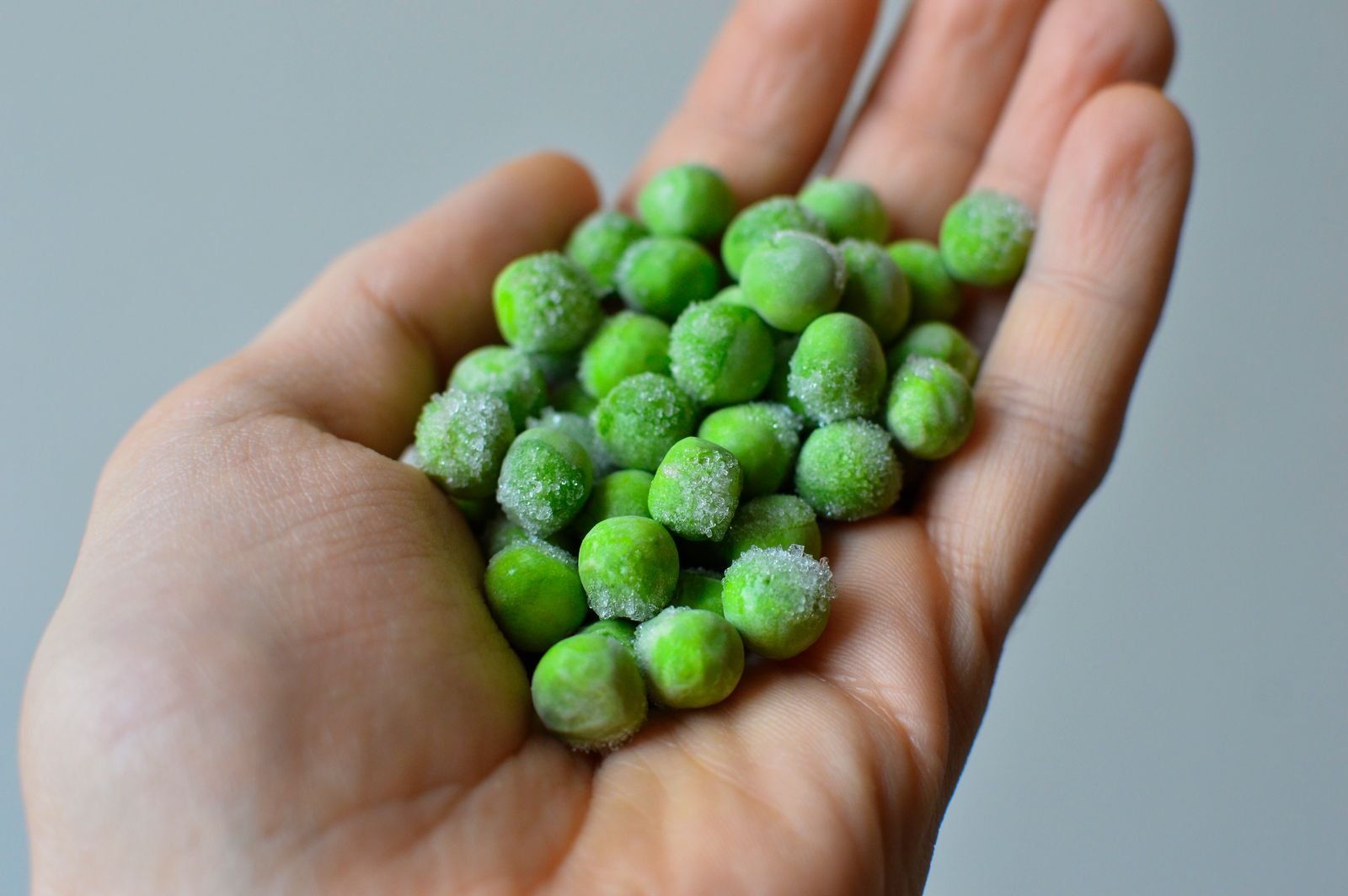
A reusable gel pack is the most popular choice. It stays flexible when frozen, molds to the body, and can be wiped clean. Choose a small one, around the size of your palm, since a large pack is awkward to position and cools more area than needed. Keep one in the freezer just for this use. A bag of frozen peas or corn works in a pinch because it molds well and is easy to find, but mark it so nobody cooks it later, and expect it to leak as it thaws.
Purpose-made perineal cold packs, often sold for postpartum recovery, are long, thin, and shaped to fit between the buttocks. Many are designed to be worn inside underwear and include a soft cover. These are often the most comfortable option for hemorrhoids because of their shape. There are also cooling cushions and gel seat pads that sit on a chair. They cool less intensely, which some people prefer, and they combine cushioning with mild cold. Avoid using hard ice cubes in a plastic bag, which have sharp edges and get too cold quickly.
Position matters as much as the pack. Many people find it easiest to lie on their side with knees slightly bent and rest the wrapped pack against the area, or to lie on their stomach with the pack held in place by loose underwear. Sitting directly on a hard cold pack puts your full weight on the sore spot and can make it hurt more. If you do want to sit, choose a soft cooling cushion or a donut-shaped cushion and place a thin wrapped pack beneath you.
Who Should Skip Ice
Cold therapy is not right for everyone. People with reduced feeling in the area, whether from nerve damage, a spinal cord injury, or certain medical conditions, may not notice when the skin is getting too cold. Without that warning signal, cold injury is more likely.
If you have diabetes with neuropathy, poor circulation, peripheral artery disease, or Raynaud’s phenomenon, talk to your doctor or pharmacist before using cold packs. These conditions can make skin more sensitive to cold and slower to recover. The same caution applies to older adults with thin, fragile skin.
Skip ice on broken, raw, or blistered skin, or on an area that already looks infected, with spreading redness, warmth, or pus. Cold can delay healing in damaged skin and will not help an infection. Also skip it if cold makes your pain sharply worse rather than easing it.
If you are pregnant or have just given birth, perineal cold packs are commonly used, but follow your doctor’s or midwife’s guidance on timing and duration. And if you are caring for a family member who cannot easily tell you when something feels too cold, check their skin often and keep sessions short.
When To Stop Self-Treating And Call A Doctor
Ice is a comfort measure, so if you need more than comfort, it is time to call. Contact your doctor if bleeding is heavy or keeps coming back, if your symptoms have not improved within about seven days of home care, or if the pain is severe. A sudden, hard, very painful lump may be a clotted hemorrhoid, and a doctor may be able to help more than cold can.
Changes in bowel habits that last more than a few days, such as new constipation, diarrhea, or narrower stools, should be checked. So should dark, maroon, or black stool, which is not typical of hemorrhoids. If bleeding comes with dizziness or weakness, seek care the same day.
Also call if you suspect cold injury, such as blisters, skin that stays white or hard, or numbness that does not go away. Our pharmacy services team is glad to talk through your options, and our medication information pages cover the OTC products that pair well with home care.
Looking for the right cold pack, a sitz bath basin, or a donut cushion? Ask the team at South Fork Pharmacy, 732 N Main St in Moorefield, and we will help you put together a simple comfort kit for a hemorrhoid flare.
Frequently Asked Questions
Does an ice pack really shrink hemorrhoids?
Not in any lasting way. Cold may ease swelling and pain for a short time, but the hemorrhoid settles on its own as the flare passes.
How long should I keep ice on piles?
About 10 to 15 minutes at a time, wrapped in a cloth. Wait at least an hour before using it again.
Is it okay to sit on a bag of ice?
It is better not to, because your full weight presses the sore area against the cold and can cause injury. Lie on your side with a wrapped pack, or use a soft cooling cushion instead.
Is ice or heat better for hemorrhoids?
Many people find cold more soothing in the first day or two and warm sitz baths better after that. Use whichever brings more comfort, and protect your skin from both extremes.
Can I use a postpartum cold pack for hemorrhoids?
Yes, perineal cold packs are often a good fit because of their shape. South Fork Pharmacy can help you find one, along with sitz bath basins and cushions.
Should I use ice if I have diabetes?
Talk to your doctor or pharmacist first, especially if you have neuropathy or poor circulation. Reduced feeling makes cold injury more likely.
Disclaimer: The information in this article is general information for educational purposes only and is not a substitute for individualized medical advice, diagnosis, or treatment from a pharmacist or doctor. Product formulations vary, so always follow the label on your package. If you think you may be experiencing a medical emergency, call 911 immediately. South Fork Pharmacy, Moorefield, West Virginia.