
A mild external hemorrhoid flare often settles within about a week with home care, though some take two weeks or a little longer. A thrombosed external hemorrhoid, one with a blood clot inside, usually hurts most in the first two or three days and often eases over one to three weeks. A soft skin tag may remain after the swelling is gone.
How Long Do External Hemorrhoids Last?
When you are uncomfortable, the question of how long do external hemorrhoids last is the one that matters most. The honest answer is a range rather than a promise, and it depends a lot on what kind of external hemorrhoid you have and what you do while it heals.
This guide focuses on the timeline for external hemorrhoids specifically, the ones under the skin around the anus. If you want the broader question of whether hemorrhoids clear up without treatment, see our article Do Hemorrhoids Go Away On Their Own? Here we walk through what a typical flare looks like day by day, from the perspective of the pharmacists at South Fork Pharmacy in Moorefield, WV.
The Short Answer: Typical Timelines
For a simple external hemorrhoid flare, the kind that brings itching, tenderness, and a soft swelling, many people notice improvement within a few days and feel close to normal within about a week. Sometimes it takes closer to two weeks, especially if constipation or straining continues during that time.
A thrombosed external hemorrhoid follows a different pattern. Because a small blood clot has formed inside the swollen vein, the pain comes on more suddenly and is usually sharper. The worst of it tends to be in the first 48 to 72 hours. After that, the body slowly breaks down the clot, and pain and swelling usually ease over one to three weeks.
Those numbers are typical, not guaranteed. Larger hemorrhoids, ongoing constipation, a job that keeps you sitting for long stretches, or pregnancy can all stretch the timeline. On the other hand, someone who quickly gets their stools soft and stops straining may see a flare clear up faster than average.
One useful marker: most OTC hemorrhoid product labels say to stop and ask a doctor if symptoms have not improved within seven days. That is a sensible checkpoint for you too. You do not need to be fully healed by day seven, but you should be clearly better than you were on day two.
Thrombosed Versus Non-Thrombosed External Hemorrhoids
A non-thrombosed external hemorrhoid is a swollen vein under the skin at the edge of the anus. It often feels like a soft, tender bump, especially after a bowel movement or a long day of sitting. It may itch, feel irritated, or bleed a little if the skin is wiped hard. The swelling can come and go over the course of a day.
A thrombosed external hemorrhoid happens when blood pools and clots inside that vein. It usually appears suddenly as a firm, hard lump, often bluish or purple, and it can be quite painful even when you are not having a bowel movement. Sitting may be difficult. People often describe it as feeling like a marble or grape at the anal opening.
The course differs too. The non-thrombosed type tends to rise and fall with bowel habits and usually calms down within a week or two as stools soften. The thrombosed type follows its own clock as the clot is reabsorbed. Sometimes the skin over the clot breaks and a small amount of dark blood drains, which can actually relieve pressure, though it should be kept clean.
A doctor can tell the two apart with a quick look, and that matters because the options differ. If a thrombosed hemorrhoid is very painful and you are seen early, often within the first couple of days, a doctor may offer a small in-office procedure to remove the clot. After about three days, most doctors recommend letting it heal on its own with comfort care, because the pain is already starting to ease.
What Can Speed Comfort While You Heal
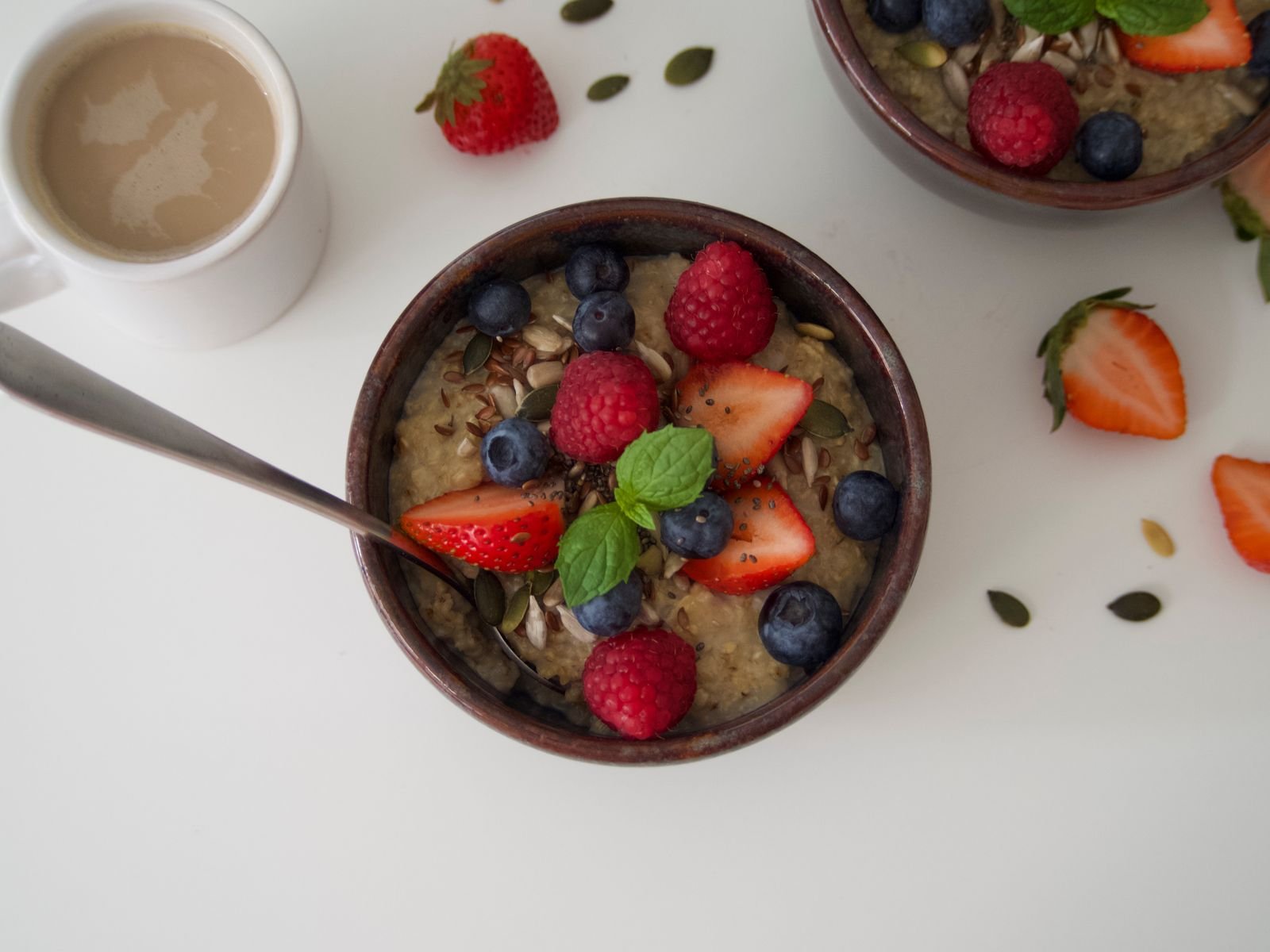
Nothing in a box makes an external hemorrhoid vanish overnight, but several simple steps can make the healing days more comfortable and may keep the flare from dragging on. The most important is keeping stools soft so you do not strain. Fiber from foods like beans, oats, fruits, and vegetables, or from a fiber supplement such as psyllium, helps add bulk and softness. Increase fiber gradually and drink more water as you do.
Warm sitz baths are one of the most recommended comfort measures. Sitting in a few inches of plain warm water for 10 to 15 minutes, two or three times a day and after bowel movements, can ease pain and itching and help the muscles relax. A sitz bath basin that fits over the toilet seat makes this easier than filling a whole tub. Some people also find a cloth-wrapped cold pack helpful for short periods in the first day or two.
OTC products can help with specific symptoms. Protectant ointments coat irritated skin. Witch hazel pads ease itching and burning. Lidocaine products numb pain for an hour or two. Hydrocortisone 1 percent cream can calm itching, but it should not be used for more than seven days for hemorrhoids without a doctor’s advice. Always follow your product label and check with a pharmacist if you take other medicines or have heart disease or high blood pressure.
Small habits help too. Do not sit on the toilet longer than you need to, and avoid scrolling on a phone while you sit there. Go when you feel the urge rather than holding it. Pat gently instead of wiping hard, or use plain unscented wipes. A short walk each day helps keep the bowels moving.
What A Typical Flare Looks Like, Day By Day
Most articles give a single number and leave it there. In South Fork Pharmacy’s experience, people feel more at ease when they know what the stages of a typical flare look like, because then they can tell whether they are on track. The pattern below is general, and your own experience may differ.
In the first one to three days, swelling and tenderness are usually at their peak. With a thrombosed hemorrhoid, this is when pain is sharpest and sitting is hardest. This is the time for warm sitz baths, soft stools, and OTC comfort products. From about day three to day seven, most people notice the lump feels softer or smaller and the pain is less constant. Bowel movements may still be uncomfortable, but less so.
During the second week, a non-thrombosed hemorrhoid has often settled to the point where you barely notice it. A thrombosed one is usually much less painful, though the area may still be tender and slightly swollen. Over the second and third weeks, the clot continues to break down. You may notice the color fade from purple or blue toward normal skin tone.
After the swelling is gone, some people still feel a small, soft flap of skin at the anal edge. This is often a skin tag, left behind when stretched skin does not fully shrink back. Skin tags are usually painless and harmless, though they can make cleaning a bit harder. They do not mean the hemorrhoid is still active. If a lump stays firm, painful, or keeps growing, though, it is not a skin tag, and a doctor should look at it.
Why Some Flare-Ups Linger Or Return
The most common reason a flare drags on is that the cause has not changed. If stools are still hard and you are still straining, the hemorrhoid keeps getting irritated before it has a chance to settle. Constipation is the single biggest factor most people can control, and fixing it often makes the difference between a one-week flare and a month of on-and-off symptoms.
Long periods of sitting also play a role. Truck drivers, office workers, and anyone who spends hours in a chair puts steady pressure on the area. Getting up every hour or so and using a cushion can help. Heavy lifting, especially if you hold your breath and bear down, raises pressure in the veins around the anus.
Pregnancy is another common cause, since a growing baby increases pressure in the pelvic veins and hormones can slow the bowels. Hemorrhoids that appear during pregnancy often improve after delivery, though they may flare right after birth from pushing. Chronic diarrhea can also irritate the area and keep symptoms going.
Once you have had an external hemorrhoid, the vein may be more likely to flare again in the future. That is not a sign of anything serious. It simply means that the same habits that help you heal, including more fiber, more water, less straining, and less sitting, are worth keeping up even after you feel better.
When To Stop Self-Treating And Call A Doctor
Call your doctor if you have heavy bleeding or bleeding that keeps coming back, if your symptoms have not improved within about seven days, or if the pain is severe. Very painful, hard lumps that appear suddenly are worth a prompt visit, because early treatment of a thrombosed hemorrhoid can sometimes shorten the worst of it.
Also call if your bowel habits change and stay changed for more than a few days, such as new constipation, diarrhea, or narrower stools, or if you notice dark, maroon, or black stool. Those are not typical of external hemorrhoids. Fever, spreading redness, or pus near the anus may point to an infection or abscess and need same-day care.
If you are unsure whether what you are feeling is a hemorrhoid at all, that alone is a good reason to be checked. Our pharmacy services team can help you decide on next steps, and our medication information pages explain the common OTC products in more detail.
Waiting out a flare? Talk to a pharmacist at South Fork Pharmacy, 732 N Main St in Moorefield, about sitz bath basins, cushions, fiber, and OTC options that can make the healing days more comfortable.
Frequently Asked Questions
Is it normal for an external hemorrhoid to last two weeks?
Yes, it can be, especially if it is thrombosed or if constipation continued during the flare. If it is not clearly improving after a week, check in with a doctor.
Why is there still a lump after my hemorrhoid healed?
A soft, painless flap of skin left behind is often a skin tag from stretched skin that did not fully shrink back. A firm, painful, or growing lump is different and should be checked by a doctor.
How long does a thrombosed hemorrhoid hurt?
Pain is usually worst in the first two to three days and then gradually eases. Many people feel much better within one to two weeks, though some tenderness can last a little longer.
Can I make an external hemorrhoid go away faster?
You cannot force it, but soft stools, warm sitz baths, and avoiding straining and long sitting may help it settle sooner. The pharmacists at South Fork Pharmacy can suggest comfort products that fit your situation.
Should I pop a thrombosed hemorrhoid myself?
No. Trying to drain it at home risks infection, bleeding, and more pain, so see a doctor if the pain is severe.
Do external hemorrhoids come back?
They can, especially if constipation, straining, or long sitting continue. Keeping up good bowel habits after you heal lowers the chance of another flare.
Disclaimer: The information in this article is general information for educational purposes only and is not a substitute for individualized medical advice, diagnosis, or treatment from a pharmacist or doctor. Product formulations vary, so always follow the label on your package. If you think you may be experiencing a medical emergency, call 911 immediately. South Fork Pharmacy, Moorefield, West Virginia.