
To apply hemorrhoid cream externally, clean and pat the area dry, then spread a thin layer over the sore skin with a clean finger or finger cot and wash your hands. For internal use, attach the applicator that came with the product, lubricate the tip, insert it gently just past the opening, and squeeze out a small amount. Only use a cream internally if its label says it is for internal use, and clean the applicator after every use.
How To Apply Hemorrhoid Cream: External And Internal Steps
Knowing how to apply hemorrhoid cream sounds simple until you are standing in the bathroom holding a tube and a small plastic nozzle, wondering whether it goes inside, outside, or both. The answer depends on the product, and getting it wrong is one of the most common reasons people feel a cream “did not work.”
We already cover the basics of spreading cream on the outside in our guide on how to apply piles cream. This article focuses on the part people ask the pharmacists at South Fork Pharmacy in Moorefield about most: how to tell whether a product is meant for internal use, and how to use the applicator correctly and cleanly when it is.
Check The Label First: External, Internal Or Both
Before you open the tube, turn the box over and find the Drug Facts panel. Every OTC hemorrhoid product sold as a drug in the United States has one, and the answer to “can this go inside?” is printed there. Look at two places in particular: the Uses section and the Directions section. Products meant only for the outside will usually say “for external use only” in the Warnings section, sometimes in bold.
Products that can be used internally say so plainly. The directions will mention “intrarectal use” or describe attaching the applicator and inserting it into the rectum. They almost always ship with an applicator in the box. If there is no applicator and no mention of internal use, treat the product as external only, even if it seems like it should work the same way inside.
The active ingredient gives you a clue but not the final word. Many lidocaine creams are labeled for external use only, because numbing agents absorb more readily through the lining inside the rectum. Many hydrocortisone creams are also external only. Some ointments built on protectants such as petrolatum, mineral oil, and phenylephrine come with an applicator and allow internal use. Two products with nearly identical names from the same brand can carry different directions, so read the box you are actually holding.
This matters for more than following the rules. A product designed for the outside may sting or irritate the more delicate lining inside. It may also deliver more of an active ingredient into the bloodstream than the label intends. On the other hand, using an external-only product for a problem that is truly inside simply puts the medicine in the wrong place, and the symptoms carry on.
How To Apply Cream To External Hemorrhoids
Start with a clean, dry area. When it is practical, gently wash the skin around the anus with warm water and a mild, unscented soap, or use a plain unscented wipe after a bowel movement. Rinse well, then pat dry with soft toilet paper or a clean towel. Avoid rubbing, which can irritate swollen skin and make itching worse.
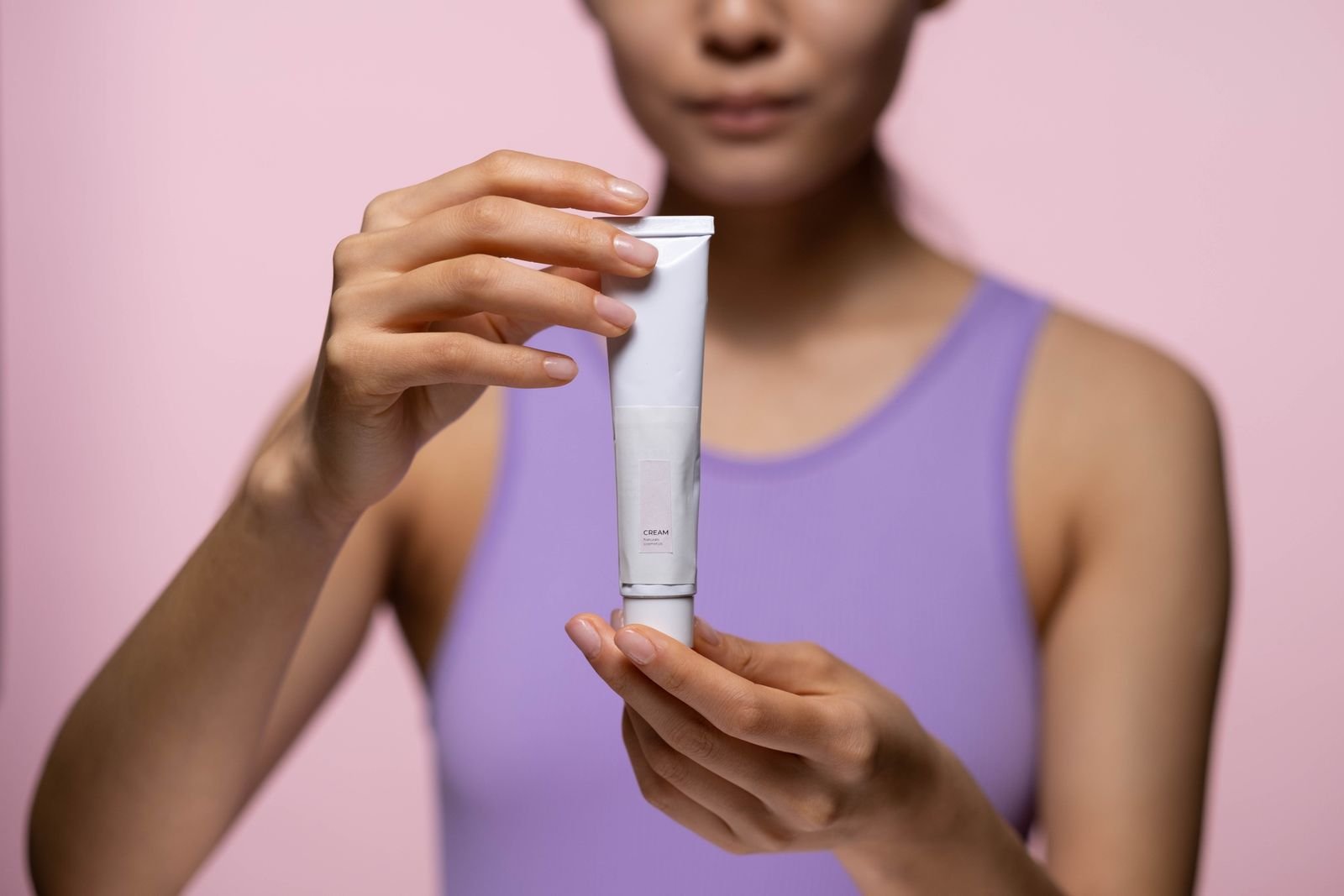
Wash your hands, then squeeze a small amount of cream onto a fingertip. Some people prefer a finger cot or a gauze pad, which you can find in the first aid aisle, to keep the cream off their skin and make cleanup easier. Spread a thin, even layer over the sore or swollen skin. You do not need to work it in hard. A light coating is enough for the ingredients to do their job.
When you are done, wash your hands again with soap and water. This step matters more than people think, especially with numbing creams, which can make your fingers tingle or numb and should be kept away from the eyes. Put on clean, loose cotton underwear to reduce rubbing and let the area breathe.
How often you apply depends on the product. Many hemorrhoid creams allow application up to four times a day, often after bowel movements, but some allow fewer. Hydrocortisone creams usually allow three to four times a day and, for hemorrhoids, should not be used longer than seven days without talking to a doctor. Check your own label rather than assuming every cream follows the same schedule.
How To Use The Applicator For Internal Hemorrhoids
If your product’s label allows internal use, the first step is the same as the outside: clean the area if you can, and wash your hands. Many people find it easiest to do this right after a bowel movement, since the cream then has time to stay in place. Remove the cap from the tube and screw the applicator onto the tip firmly so it will not slip off during use.
Squeeze the tube gently until a little cream comes out of the applicator holes. This fills the applicator and also coats the outside of the tip. Many labels suggest lubricating the tip with a little of the cream itself so it slides in comfortably. If the product’s directions mention petroleum jelly or another lubricant, follow those directions exactly.
Get into a comfortable position. Lying on your side with your top knee bent toward your chest relaxes the muscles and makes insertion easier. Some people prefer to stand with one foot raised on the edge of the tub or toilet. Breathe out slowly and gently insert the rounded tip into the anus, only as far as feels comfortable and no farther than the applicator’s design allows. Most applicators are short for a reason, so there is no need to push.
Squeeze the tube gently to release a small amount of cream. Then withdraw the applicator slowly while still squeezing lightly, which spreads a thin film along the way. Remove the applicator from the tube, wash it thoroughly in warm, soapy water, rinse it well, and let it air dry before putting it away. Wash your hands one more time. If insertion is painful, if you feel resistance, or if you notice blood afterward, stop and talk to a pharmacist or doctor before trying again.
Common Mistakes And How To Tell If A Cream Is Labeled For Internal Use
Most guides walk through the steps and stop there. In South Fork Pharmacy’s experience, the problems people run into are rarely about the steps. They come from a handful of predictable mistakes, and almost all of them are easy to fix once you know to look for them.
The first mistake is using the wrong product for internal symptoms. Someone has a bleeding or prolapsing hemorrhoid inside, buys a lidocaine cream labeled for external use only, and then tries to work it inside with a finger. The fix is to check three things on the box before buying: the word “applicator” or “intrarectal” in the directions, an applicator inside the package, and no “external use only” warning. If all three line up, the product is meant for internal use. If any one is missing, ask a pharmacist.
The second mistake is using too much. A thick layer does not absorb better, and it can leave the area greasy, trap moisture, and rub off on clothing. With medicated creams, extra product can also mean more of the active ingredient than the label intends. A pea-sized amount is usually enough for the outside, and a short squeeze is usually enough through the applicator.
The third mistake is skipping applicator cleaning. A used applicator carries bacteria from the rectum, and putting it back in the box without washing it gives those bacteria a place to grow. Wash it in warm, soapy water every time, let it dry fully, and replace it if it cracks or becomes cloudy. Never share an applicator, even within a household. Other mistakes we see include forcing the applicator past discomfort, using a cream every day for weeks without checking in with anyone, and assuming that a cream that worked last year is labeled the same way this year, since formulations do change.
How Much Cream And How Often
The phrase most labels use is “apply to the affected area.” What that means in practice is a thin layer, roughly the amount you would use for a small cut. If you can still see a white or shiny coating several minutes later, you have probably used more than you need. More cream does not mean more relief, and it does not make a hemorrhoid heal faster.
Frequency varies by ingredient. Protectant ointments are often labeled for use up to four times a day and after each bowel movement. Lidocaine creams generally allow up to four times a day, and phenylephrine products have a similar cap because phenylephrine can affect blood pressure. Hydrocortisone creams are usually limited to three or four times a day and to seven days of use for hemorrhoids unless a doctor says otherwise. Your label is the only reliable source for your product.
If you use more than one product, such as medicated wipes plus a cream, count them together. Two products with the same active ingredient add up, and it is easy to double the dose without meaning to. A pharmacist can look at both labels and tell you in a minute whether they overlap.
Finally, keep your expectations realistic. Creams relieve symptoms like itching, burning, and swelling. Most mild flare-ups settle within about a week with home care such as more fiber, more water, and not straining. If you find yourself reaching for the tube every day for weeks, that is a sign to have the problem looked at rather than a reason to apply more.
When To Stop Self-Treating And Call A Doctor
A cream is a tool for comfort, not a substitute for being checked when something seems off. Call your doctor if bleeding is heavy or keeps coming back, if your symptoms have not improved after seven days of using a product as directed, or if the pain is severe. Severe, sudden pain with a hard, bluish lump near the anus may be a clotted hemorrhoid, and a doctor can sometimes offer relief that a cream cannot.
Also call if you notice changes in your bowel habits that last more than a few days, such as new constipation, new diarrhea, or stools that look narrower than usual. Dark, maroon, or black stool is different from the bright red blood typical of hemorrhoids and should be checked promptly. Dizziness, weakness, or shortness of breath alongside bleeding is a reason to seek care the same day.
None of this means something serious is going on. Most hemorrhoid symptoms are exactly what they appear to be. But rectal bleeding has several possible causes, and only an exam can sort them out. If you are unsure, our team can help you decide whether a doctor visit makes sense. You can learn more about our pharmacy services or browse our medication information library.
Not sure whether your cream can be used inside? Stop by South Fork Pharmacy at 732 N Main St in Moorefield and ask a pharmacist to read the label with you and help you pick a cream labeled for where you need it. If getting out is hard, ask about our free Tuesday and Thursday delivery within Moorefield town limits.
Frequently Asked Questions
Can I just use my finger to put hemorrhoid cream inside?
Most labels that allow internal use direct you to use the included applicator, not a finger. The applicator places the cream more reliably and is easier to keep clean, so follow the directions on your package.
How far do I put the applicator in?
Only insert it as far as is comfortable, which with most applicators is just past the opening. Never force it, and stop if you feel pain or resistance.
Is it bad if I used an external-only cream inside by accident?
A single accidental use is unlikely to cause harm for most people, but stop using it internally and watch for stinging or irritation. If you have concerns or used a lot, call a pharmacist or Poison Control for advice.
Do I have to wash the applicator every time?
Yes. Wash it in warm, soapy water after each use, rinse well, and let it air dry, because a dirty applicator can carry bacteria back into the area.
How do I know which hemorrhoid cream is labeled for internal use?
Look for an applicator in the box, directions that mention intrarectal use, and no “external use only” warning. The pharmacists at South Fork Pharmacy are happy to check a label with you if the wording is unclear.
How long should I use hemorrhoid cream before I see a doctor?
Most labels say to stop and ask a doctor if symptoms do not improve within seven days. Do not wait that long if you have heavy bleeding, severe pain, or dark stool.
Disclaimer: The information in this article is general information for educational purposes only and is not a substitute for individualized medical advice, diagnosis, or treatment from a pharmacist or doctor. Product formulations vary, so always follow the label on your package. If you think you may be experiencing a medical emergency, call 911 immediately. South Fork Pharmacy, Moorefield, West Virginia.