
Konsyl Daily Psyllium Fiber can help reduce straining, which is one of the main triggers of hemorrhoid flares. It is a bulk-forming psyllium husk fiber that absorbs water and softens stool, but it must be taken with plenty of water and it works gradually over days to weeks, not right away.
Konsyl Psyllium Fiber: Can It Help Prevent Hemorrhoids?
Konsyl daily psyllium fiber is one of the best-known fiber supplements on the pharmacy shelf, and people often ask whether it can help keep hemorrhoids from coming back. The short answer is that regular fiber is one of the better-supported ways to make hemorrhoid flares less likely, and psyllium is a common way to get it.
At South Fork Pharmacy in Moorefield, WV, we recommend fiber conversations more often than almost any other topic in this area. This article explains what Konsyl is, how bulk-forming fiber works, how to take it safely, the water-intake caution that many articles skip, why fiber is a first-line recommendation, and how long you should expect to wait before you notice a difference.
What Konsyl Is
Konsyl is a brand of psyllium husk fiber. Psyllium comes from the seed husks of the Plantago ovata plant, and it is one of the most widely used bulk-forming fibers. The original formula is a powder made of psyllium husk on its own, without added sugar or flavoring, and other versions in the line come in different forms such as capsules or with flavorings, so it is worth checking the label of the specific product you pick.
It is a supplement and bulk-forming agent, not a stimulant laxative. That distinction matters. It does not irritate the bowel to force a movement. It works with the body’s normal process by adding soft bulk to the stool, which is why it is generally gentler and better suited to daily use than stimulant products.
How Bulk-Forming Fiber Works
Psyllium is a soluble fiber that absorbs water and forms a gel. In the digestive tract, that gel adds volume to the stool and holds moisture in it, which makes it softer and easier to pass. Larger, softer stool also stimulates the bowel gently through its bulk, encouraging regular movement without harsh stimulation.
That matters for hemorrhoids because hard, small stools require straining, and straining raises pressure on the veins in and around the anus. Softer, bulkier stools mean less straining. Over time, less pressure can mean fewer flare-ups and less irritation and bleeding, though results vary and no supplement can guarantee that hemorrhoids will not return.
Psyllium can also help with loose stools, since the same gel can absorb excess water and firm things up. That is why it is sometimes described as a regulator rather than just a laxative.
It also helps to know what you are choosing between. Konsyl comes in several forms, and the plain powder is the simplest, with a single ingredient. Flavored and sweetened versions may contain sugar or artificial sweeteners, which matters if you are watching blood sugar or sensitive to sweeteners. Capsule forms are convenient but usually contain less fiber per capsule, so you need to take more of them, each with water. A pharmacist can help you compare labels and choose a version that suits your habits and your health.
How To Take It Safely
Follow the directions on your package, which state a serving size and how often to take it. In general, mix the powder into a full glass of water or another liquid, stir, and drink it promptly before it thickens. Follow it with another glass of water if the label suggests it. Because a fiber supplement can cause gas and bloating if you start too fast, many people begin with a smaller amount and work up over a week or two, staying within the label directions.
Timing is flexible, but consistency matters more than the hour you pick. Many people take it once a day, at the same time each day, to build a habit. Fiber can affect how some medications are absorbed, so it is usually recommended to take other medicines at least two hours before or after psyllium. If you take prescription medicines, ask a pharmacist or doctor how to schedule them around fiber, and never change a prescription on your own.

The Water Caution Many Fiber Articles Leave Out
Here is the part that matters most. Psyllium works by absorbing water, and it needs that water to be available. If you take a bulk fiber supplement without enough fluid, the fiber can form a thick, dense mass in the digestive tract and make constipation worse rather than better. In rare cases, taking it dry or with too little water can even cause choking or a blockage in the throat or esophagus, which is why labels warn against it.
To use it safely, drink the full glass of liquid with each dose and keep up your water intake through the day. Do not take it right before bed with little fluid, and never swallow the dry powder. People who have trouble swallowing, or who have a bowel obstruction or narrowing, should ask a doctor before using any bulk fiber. If you develop chest pain, vomiting, or trouble swallowing or breathing after taking it, seek emergency care by calling 911.
If you ever find that fiber seems to make you more constipated or bloated, that is often a sign that you need more fluid, a lower starting amount, or a different approach. It is worth asking a pharmacist rather than pushing through.
Why Fiber Is A First-Line Recommendation For Hemorrhoid Prevention
When doctors talk about preventing hemorrhoid flares, fiber is usually the first thing mentioned. Reviews of hemorrhoid treatments have found that increasing fiber intake is associated with less bleeding and fewer persistent symptoms, and it is a low-risk approach for most people. Fiber addresses the cause, straining and hard stools, rather than just masking symptoms.
Compare that with a stimulant laxative, which is meant for occasional use and can cause cramping and dependence if used often. Fiber is designed for regular, ongoing use. Food is the best source, and the fiber in oats, beans, fruits, vegetables, and whole grains does the same job. A supplement like Konsyl helps when your diet does not get you there, which is true for many people, since most adults eat less fiber than the recommended amounts.
Fiber is not a treatment for a hemorrhoid that is already inflamed and painful. For that, you may need a topical product for comfort, and bleeding, severe pain, or a lump warrants a doctor’s visit. Think of fiber as the foundation that lowers the odds of the next flare.
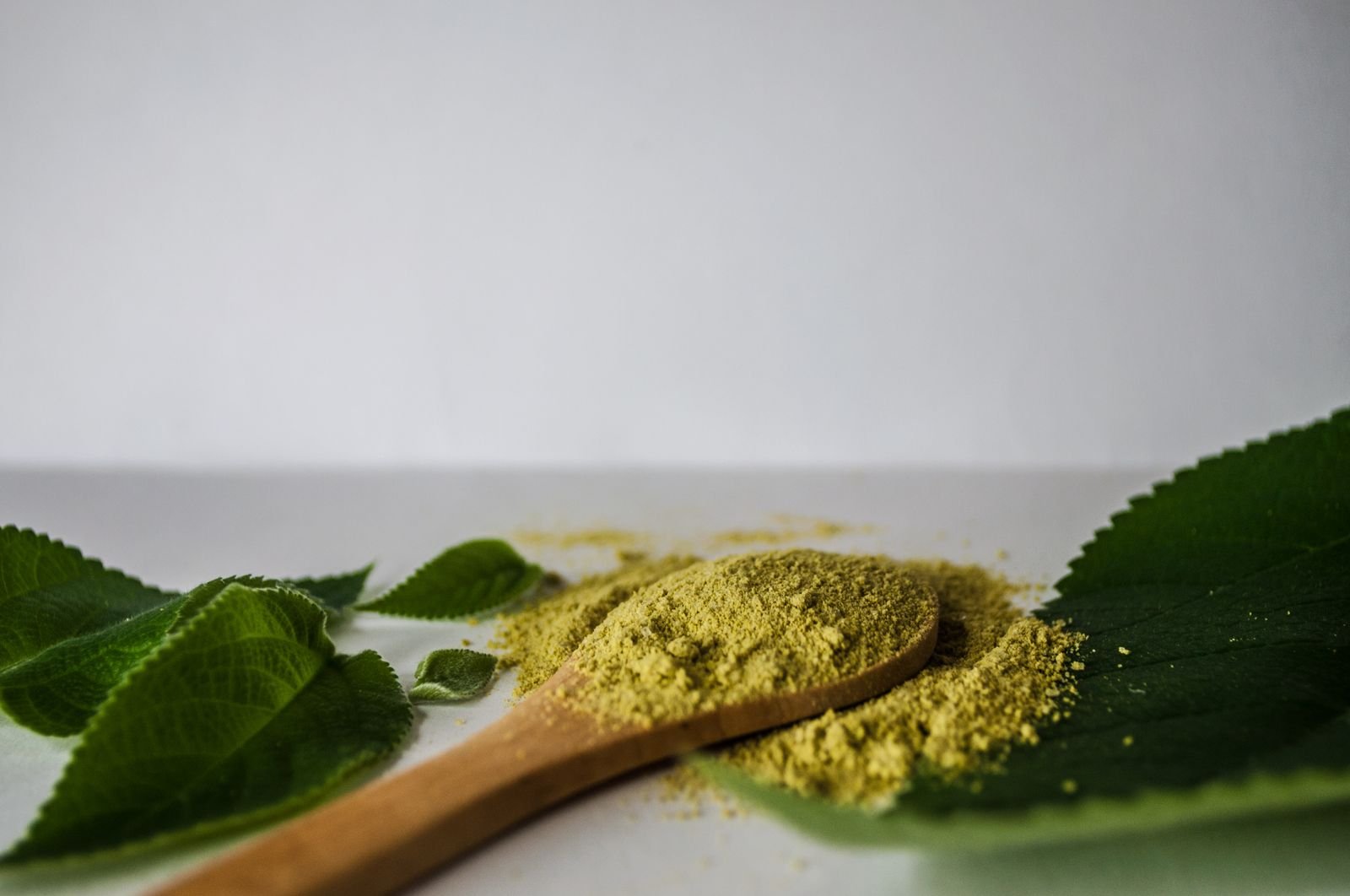
Food is worth pairing with the supplement. Adding oats, beans, lentils, berries, pears, and vegetables raises your fiber intake in a way that also supports overall digestive health, and regular physical activity helps the bowel keep moving. Small, steady changes tend to work better than a sudden overhaul, which can cause gas and bloating. Many people find that a supplement plus a few dietary upgrades is the combination that finally sticks.
A few people should check first. If you have diabetes, kidney problems, or a history of bowel narrowing or surgery, or if you take medications that need careful timing, talk to your doctor or pharmacist before starting a fiber supplement. The same goes if you are pregnant or breastfeeding, though fiber is commonly used in those situations, and it is still worth confirming your plan with someone who knows your history.
How Long Before It Helps
This is not an overnight fix. Psyllium usually takes a few days of consistent use to make a noticeable difference in stool consistency, and it can take a couple of weeks to settle into a steady pattern, particularly if you are working up gradually to avoid bloating. Some people see the effect within one to three days, but that varies, and full benefit takes longer.
If you are dealing with constipation that needs relief now, fiber alone may not be fast enough, and a pharmacist can suggest something to pair with it. Regularity from fiber is about building a habit, not producing a single dramatic result. Be patient, stay hydrated, and keep the dose consistent.
If you have not noticed improvement after several weeks, or if you notice rectal bleeding, severe pain, unexplained weight loss, or a lasting change in your bowel habits, see a doctor. You can reach us through our pharmacy services page, and our medication information section has more reading.
Thinking about adding a fiber supplement? Stop by South Fork Pharmacy at 732 N Main St in Moorefield and ask our pharmacist which fiber fits you and how to fit it around your other medications.
Frequently Asked Questions
Can Konsyl help prevent hemorrhoids?
Regular fiber can help by softening stool and reducing straining, which lowers pressure on hemorrhoids. It may reduce flares over time but cannot guarantee that they will not return.
Is Konsyl a laxative?
It is a bulk-forming fiber supplement, not a stimulant laxative. It adds bulk and softens stool rather than forcing a bowel movement.
How much water do I need with Konsyl?
Take each dose with a full glass of liquid and drink plenty of fluids through the day, following your label. Too little water can make constipation worse.
How long does it take to work?
Some people notice a change within a few days, but it can take a couple of weeks of consistent use. Ask a pharmacist at South Fork Pharmacy if you are not sure it is working.
Why does fiber make me bloated?
Starting with too much too fast is a common cause. Begin with a smaller amount, increase gradually, and drink enough water.
Can I take Konsyl with my other medications?
Fiber can affect how some medicines are absorbed, so it is often advised to take other medications at least two hours before or after. Ask your pharmacist or doctor about your specific medications.
Disclaimer: The information in this article is for educational purposes only and is not a substitute for individualized medical advice, diagnosis, or treatment from a pharmacist or doctor. Fiber supplements do not treat existing hemorrhoids and must be taken with adequate water. If you think you may be experiencing a medical emergency, call 911 immediately. South Fork Pharmacy, Moorefield, West Virginia.