
The best form depends mostly on where your symptoms are. Creams and ointments work on the skin outside the anus, while suppositories are placed inside to reach internal tissue that a topical product cannot. Between cream and ointment, ointments are greasier and protect raw skin longer, and creams feel lighter but can sting more on broken skin.
Cream Vs Ointment Vs Suppository: Which Form Works Best For You?
When you compare a cream vs ointment vs suppository, the choice looks like a coin flip on the shelf, but it usually is not. Where your symptoms are, how the skin feels, and how the product behaves once it is applied all point toward one form more than the others.
At South Fork Pharmacy in Moorefield, WV, this is one of the most common questions we hear, and most people are surprised how much of the answer comes down to simple things like inside versus outside and greasy versus light. This guide compares the three forms fairly, by type rather than by brand, and gives you a decision framework you can use before you buy.
What Actually Differs Between The Three Forms
The three forms are not just different packaging for the same medicine. They differ in texture, in where they go, and in how they are absorbed and how long they stay in place. Understanding those differences makes the rest of the decision much easier.
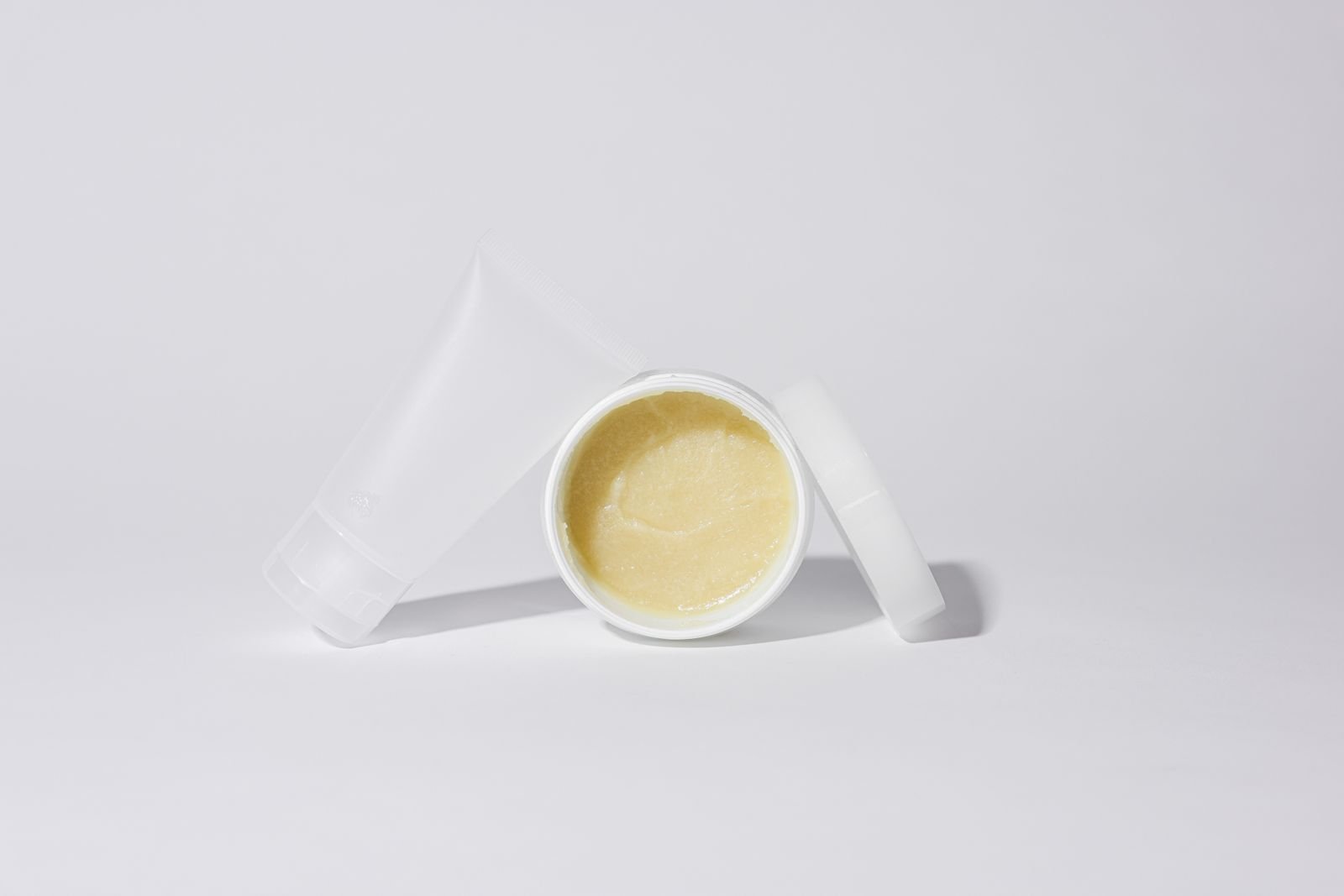
A cream is an emulsion, a blend of oil and water, which gives it a light, spreadable feel that soaks into the skin fairly quickly and does not leave a heavy residue. An ointment is mostly oil or petroleum-based with little or no water, so it is thicker and greasier, sits on the surface of the skin, and forms a protective barrier. A suppository is a small solid dose, often built on a cocoa butter or similar base, that melts at body temperature after it is inserted and coats the lining inside the rectum.
Where you apply each one is the most important difference. Creams and ointments are applied to the skin on the outside, and they are spread with a fingertip or, with some products, an applicator that lets you place a little just inside the opening. Suppositories are placed inside the rectum, which is why they can reach tissue a topical product simply cannot. The active ingredients can be identical across forms, for example a protectant or a numbing agent, and it is the delivery that changes.
Absorption and staying power also differ. Creams tend to be absorbed more quickly and may need reapplication sooner. Ointments linger, which some people like and others find messy. Suppositories melt, spread over the inner lining, and can leak a little, so many people find them best used at bedtime when lying down keeps things in place.
Best For External Symptoms
If your discomfort is on the outside, the itching, burning, or soreness around the anus or at the edge of the skin, a cream or ointment is generally the right family. They sit on the skin exactly where the problem is, and they can be applied to just the area that bothers you and no more.
Within that family, the choice comes down to how the skin feels. Many people find creams more pleasant to use because they feel light and do not stain underwear as much. Others find ointments better because the thicker barrier protects raw or cracked skin from friction and moisture. Neither is more medicated than the other by default. The active ingredient and its strength are what determine that, and you will find both cream and ointment versions of many products.
Practical habits matter as much as the form. Whichever topical you choose, clean and dry the area first, use a thin layer rather than a thick one, and pat it on instead of rubbing. Loose, breathable underwear helps keep the product in place and reduces friction. A cream or ointment that is applied gently to clean, dry skin is far more likely to feel comfortable than the same product rubbed onto damp, sore tissue.
The main limit of any topical product is reach. It treats what it touches. If the problem is inside, the cream may soothe the skin at the opening and leave the real source untouched, which is one of the more common reasons people say a product did not work.
Best For Internal Symptoms
Internal hemorrhoids sit above the point where the skin ends, and a cream spread on the outside generally cannot get to them. That is where a suppository has a real advantage. Once inserted, it melts and coats the inner lining, delivering whatever it contains to tissue a topical product would miss.
Some creams come with a small applicator nozzle that allows you to place cream just inside the anal opening, and that is a middle path when symptoms are near the entrance. But for tissue higher up, a suppository is designed for the job. Internal hemorrhoids often cause less pain than external ones, since the lining higher up has fewer pain nerves, so the symptoms people notice may be a feeling of fullness, discomfort, or bleeding rather than sharp pain. Any bleeding deserves attention from a doctor rather than a shopping decision.
Suppositories have downsides too. Some people dislike the idea of inserting one, they can be messy as they melt, and they do nothing for symptoms on the outside skin. That is why some people use a suppository for the inside and a cream for the outside, which we cover below.
A Simple Internal-Versus-External Decision Framework
Most articles that compare these forms stop at listing pros and cons. What people actually need is a way to decide, so here is a framework we use in conversation at South Fork Pharmacy. It comes down to three questions.
The first question is where the symptom is. If you can point to it on the outside, such as itching, burning, or a sore spot you can feel with a fingertip, start with the topical family. If the discomfort feels deeper, like pressure, fullness, or a sense that something is inside, a suppository is designed for that tissue. If it is both, you may need both a topical and an internal product, which is fine as long as you are careful about overlapping ingredients.
The second question is what the skin looks and feels like. Raw, cracked, or very sore skin tends to do better with a protective ointment. Skin that is irritated but not broken, or where you want something lighter, may suit a cream. If the skin is weeping or moist, a lighter cream may be more comfortable than a heavy ointment, though individual preference varies.
The third question is what else is going on. Bleeding, severe pain, a hard lump, or symptoms lasting more than about a week despite treatment mean the question is no longer which form to buy. It is whether someone should look at you. Choosing the perfect form does not replace an evaluation, and it never should.
This framework will not diagnose anything. It simply narrows the field so that the product you pick has a reasonable chance of matching the problem you have.
Ointment Vs Cream Specifically
Many form-comparison articles lump cream and ointment together as topicals, which hides a real difference. An ointment is petroleum-based or oil-based and contains little or no water, while a cream is water-based with oil blended in. That single distinction changes how each one feels and behaves on sensitive skin.
Ointments create an occlusive barrier that holds moisture in and shields the skin from friction. That can be helpful on dry, cracked, or raw skin, and ointments generally need fewer preservatives, which means they are less likely to sting on broken skin. The tradeoffs are that they are greasy, can stain underwear, and can feel heavy on skin that is already damp.
Creams absorb faster, feel lighter, and spread more easily over a wider area. Because they contain water, they typically include preservatives and other ingredients that can occasionally irritate very sensitive or broken skin. Some people notice a brief sting when a cream goes on raw tissue. That is not dangerous by itself, but it is a reason to consider an ointment if that happens to you.
Why does this matter for irritation? Because hemorrhoid skin is often already inflamed. A product that clings, protects, and contains fewer additives may be gentler, while a product that absorbs quickly and feels clean may be more pleasant to use day to day. If one has bothered you, trying the other form of the same ingredient is a reasonable question to bring to the pharmacist.

Can You Use More Than One Form At Once
Yes, in many cases, and it is a common approach. A frequent combination is a suppository at night for internal symptoms and a cream or ointment during the day for the outside. Because each form treats a different area, they can complement each other rather than compete.
The caution is overlapping ingredients. Many hemorrhoid products contain the same active ingredients, such as hydrocortisone, phenylephrine, pramoxine, or lidocaine, and using two products with the same ingredient can mean you are getting more than the label intends. Steroids in particular are meant for short use in small amounts, so doubling up is something to avoid without guidance. Compare the active ingredients on the Drug Facts panels of both products before you combine them.
If you take prescription medications, or if any product was prescribed to you, ask before adding anything else. Never stop, start, or change a prescription on your own. Your doctor or pharmacist should make that call. You can reach us through our pharmacy services page, and our medication information section has additional reading.
Finally, remember the time limit. Combining forms does not extend how long over-the-counter products are safe to use. Most are meant for about a week before you should check in with a doctor, whether you use one form or three.
Not sure which form fits your symptoms? Come by South Fork Pharmacy at 732 N Main St in Moorefield and ask our pharmacist to walk through the options with you. We will help you sort out inside versus outside and check that the products you choose do not overlap.
Frequently Asked Questions
Is a suppository better than a cream for hemorrhoids?
Neither is better in general. A suppository reaches internal tissue, while a cream treats the skin outside, so the right one depends on where your symptoms are.
What is the difference between a hemorrhoid cream and an ointment?
A cream is water-based and absorbs quickly, while an ointment is oil-based and sits on the skin as a protective barrier. Ointments tend to be greasier and gentler on raw skin, and creams feel lighter.
Can I use a cream and a suppository at the same time?
Many people do, using a suppository for internal symptoms and a cream for the outside. Check that the two products do not contain the same active ingredient, and ask a pharmacist at South Fork Pharmacy if you are unsure.
Will a cream work for internal hemorrhoids?
Usually not on its own, since a cream spread on the skin cannot reach tissue higher inside. Some creams come with an applicator for use just inside the opening, but a suppository is designed for internal tissue.
Why does my cream sting but an ointment does not?
Creams contain water and preservatives that can sting on broken or very sensitive skin, while ointments usually have fewer additives. If stinging is strong or does not fade, stop using the product and ask a pharmacist or doctor.
How long can I use these products before seeing a doctor?
Most over-the-counter labels advise checking with a doctor if symptoms have not improved after about seven days. See a doctor sooner for bleeding, severe pain, or symptoms that keep getting worse.
Disclaimer: The information in this article is for educational purposes only and is not a substitute for individualized medical advice, diagnosis, or treatment from a pharmacist or doctor. Over-the-counter hemorrhoid products provide temporary relief and do not treat the underlying cause. If you think you may be experiencing a medical emergency, call 911 immediately. South Fork Pharmacy, Moorefield, West Virginia.