
To apply piles cream, wash the area gently with warm water and pat it dry, then spread a thin layer over the affected skin with a clean fingertip or the supplied applicator. Most labels allow use up to four times a day, including after a bowel movement and at bedtime, but more product does not mean more relief.
How To Apply Piles Cream
Knowing how to apply piles cream properly matters more than most people expect, because the same tube can soothe or irritate depending on how it goes on. A little care with cleaning, amount, and timing is often the difference between a product that helps and one that gets blamed for making things worse.
At South Fork Pharmacy in Moorefield, WV, the questions that come up at the counter are rarely about which cream to buy. They are about what to do once it is home in the bathroom cabinet. This guide walks through the technique step by step, covers the mistakes that quietly undermine results, and explains when it is time to stop self-treating and talk to a pharmacist or doctor instead.
Wash And Dry First
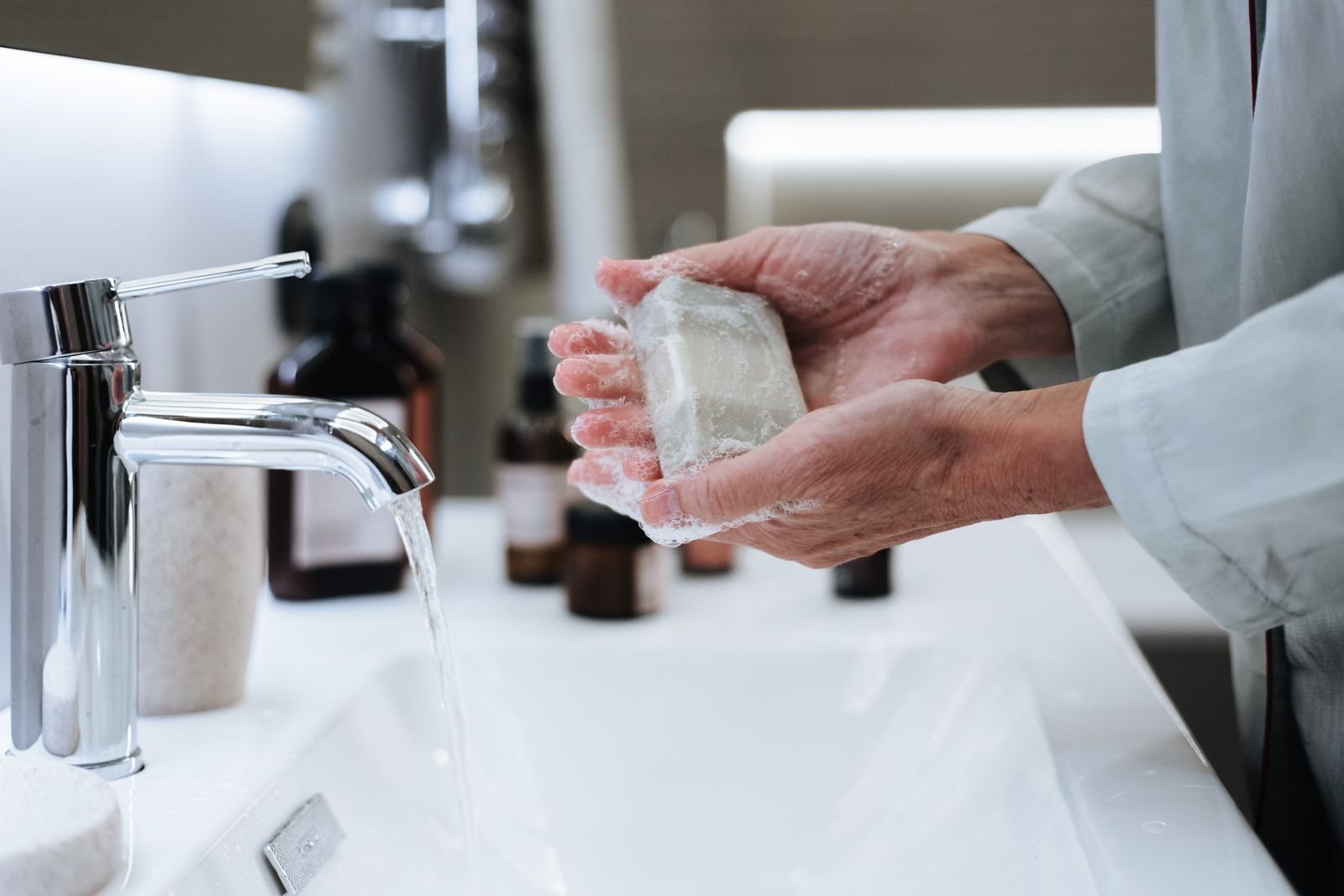
Cleaning the area before you apply anything is the step most people rush, and it matters for two reasons. First, leftover stool residue and sweat can irritate already inflamed skin, and a cream spread over that residue tends to sit on top of it rather than reach the skin underneath. Second, applying medication to damp skin dilutes it and makes it slide around, which means less of it stays where you put it.
Warm water is usually all you need. Plain water or a mild, fragrance-free cleanser used sparingly is gentler than soap, and scented products, alcohol-based wipes, and rough toilet paper are best avoided while the skin is sore. If a bowel movement has just happened, rinsing in a shower, a bidet, or with a squeeze bottle of warm water is easier on the skin than repeated wiping. Many people also find that a quick rinse feels better than dry paper, though comfort varies from person to person.
After cleaning, pat the area dry with a soft towel or a clean cloth, or let it air dry for a minute. Patting matters here. Rubbing drags across swollen tissue and can undo the calming effect of the cleansing you just did. If you use a hair dryer on a cool setting, keep it well away from the skin. Once the area feels dry to the touch, you are ready to apply the cream.
Wash your hands before you start as well. Your fingertip is going to touch broken or inflamed skin, and clean hands lower the chance of introducing bacteria to an area that is already vulnerable.
How Much To Use And Where
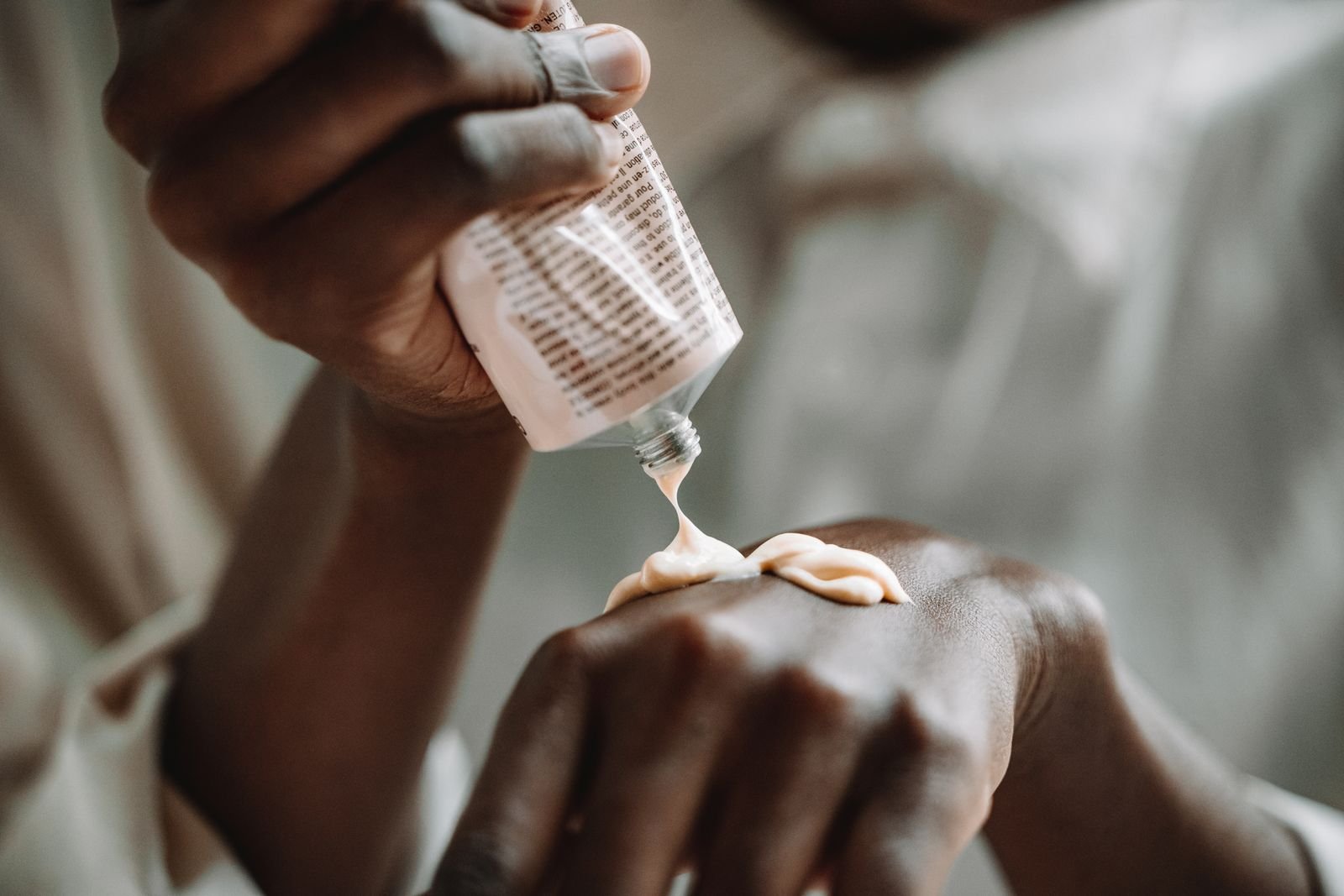
A thin layer is the standard answer, and it is the right one. Squeeze out roughly a pea-sized amount, or a small strip about the length of your fingertip if the label says so, and spread it lightly over the sore or itchy skin around the outside of the anus. The goal is a fine, even film, not a visible blob. Skin can only absorb so much, and the extra sits on the surface, stains underwear, and can trap moisture against tender tissue.
Most piles creams are meant for external use unless the label says otherwise. That means the cream goes on the skin outside, and you gently spread it over the area that hurts or itches. If you have symptoms inside the anal canal, many products come with a small applicator nozzle that lets you place the cream just inside the opening. Screw it onto the tube, lubricate the tip with a little cream, insert it only as far as the instructions describe, and squeeze gently while you withdraw it. Wash the applicator with warm soapy water afterward, or discard it if it is single use.
Not every cream is built for internal use, and the label is the only reliable guide. If the instructions on your product do not mention an applicator or internal use, do not improvise. A pharmacist can tell you in a minute whether a specific product is intended for external skin only, which is one of the more common questions we handle at the counter.
If you are unsure how much to use because the label is vague, err on the side of less. You can always add a second thin layer later within the labeled frequency, but you cannot take excess back off without more wiping and irritation.
When To Apply It
The most useful times to apply piles cream are after a bowel movement, once the area has been cleaned and dried, and again at bedtime so the product has several undisturbed hours to work. Morning use is common too. Many labels allow up to four applications in a day, but that is a ceiling, not a target. Using it only when symptoms bother you is perfectly reasonable, and using it more often than the label allows does not speed anything up.
Timing after a bowel movement makes sense because that is when the area is most irritated and most likely to be clean at the same time. Bedtime makes sense because lying down takes pressure off the veins and lets the cream stay put. If you are heading out for the day and need to keep going without much fuss, a thin layer in the morning followed by an evening application after cleaning is a simple routine.
Read the frequency limits on your specific product. A cream with a numbing ingredient, one with a steroid, and one that is mostly a protectant can each have different limits, and the differences are printed on the box for a reason. If you are ever unsure, ask the pharmacist at South Fork Pharmacy to look at the label with you. It takes less time than most people think, and you leave knowing exactly how your product is meant to be used. Our pharmacy services page explains how to reach us, and our medication information section has more general reading.
The Technique Mistakes Most Guides Skip
Search for advice on how to apply piles cream and most articles boil down to “apply as directed.” That is true, but it leaves out the small technique errors that actually cause the problems people write in about. Three stand out in South Fork Pharmacy’s experience: applying over skin that is still damp, putting a thick layer on to speed things up, and dragging the finger across the area instead of dabbing.
Damp skin dilutes the product and lets it slide off. A thick layer traps moisture and heat against sore tissue, which can make itching worse and can lead to a rash around the edges. Dragging a finger, or worse a rough paper towel, across inflamed skin creates tiny abrasions that sting once a cream with any active ingredient touches them. None of these is dramatic, but each one quietly reduces how well the product works, and they compound.
Another overlooked detail is the direction of cleaning and application. Wiping and applying from front to back keeps the area cleaner and avoids spreading bacteria toward other areas. And if you use an applicator, cleaning it every time matters more than most people realize, because a used, unwashed nozzle is an easy way to reintroduce germs to sore skin.
The fix for all of this is simple and slightly boring: clean gently, pat dry, use a small amount, dab rather than rub, and wash your hands afterward. When people follow that routine, many find that the same cream they thought was not working suddenly feels more comfortable to use. That is not a promise, since results depend on the cause and severity of symptoms, but it is what we see most often.
Common Application Mistakes
Beyond the technique errors above, a handful of everyday mistakes come up again and again. The first is using too much product. It feels logical that more cream means more relief, but the skin only takes up a small amount at a time, and the rest just sits there. Excess cream can also soak into underwear and re-transfer to the skin, which keeps the area damp and irritated.
The second is rubbing in the cream vigorously, the way you might with a moisturizer on your arm. The skin around the anus is thin and often swollen, and firm rubbing irritates it. Patting or gently smoothing the cream over the surface works better and costs nothing extra.
The third is skipping hand washing afterward. Cream on your fingers can end up in your eyes, on your face, or on shared surfaces, and some active ingredients, like hydrocortisone or numbing agents, are not something you want to spread around. A quick wash with soap and water takes ten seconds and avoids a lot of unpleasant surprises.
The fourth is using the cream for longer than the label allows. Piles creams are designed for short-term relief, and using them for weeks on end, especially those containing a steroid, can thin the skin and mask a problem that needs proper attention. If you find yourself reaching for the tube every day for more than a week, the product is telling you something, and it is worth having the conversation with a pharmacist or doctor rather than simply buying another tube.
Finally, some people apply cream and then immediately put on tight clothing or sit for a long time on a hard surface. Loose, breathable underwear and a little time lying down after application help the cream stay in place and reduce friction.
How Long Before You Should See A Pharmacist Instead
Over-the-counter piles cream is meant for short-term use. As a general rule, most labels say to stop and check with a doctor if symptoms have not improved after about seven days, and to stop sooner if things get worse. That is not a sign that you did something wrong. It is simply the point where guessing stops being a good plan.
Some symptoms should not wait for the seven-day mark. Bleeding that is heavy or does not stop, bleeding mixed into the stool in larger amounts than a streak on the paper, severe or worsening pain, a hard tender lump, fever, dizziness, or any change in bowel habits that lasts more than a few days deserves a doctor’s attention. Bleeding especially should never be assumed to be hemorrhoids without someone confirming it, because several other conditions can look the same from the outside. If you think you may be having a medical emergency, call 911.
A pharmacist is a good first stop when the question is about the product itself: whether the cream you have is the right type, whether it is safe alongside your other medications, or whether it is time to try something different such as a suppository or a stool-softening approach. They cannot diagnose you, but they can help you decide whether you should be seeing a doctor and can often save you a wasted trip or an unnecessary purchase.
If you are already using a prescription medication, whether for blood pressure, blood thinning, or anything else, mention it when you ask about piles cream. Some over-the-counter ingredients interact with prescription drugs, and it is always the pharmacist or your doctor who should decide about starting, stopping, or changing anything you take by prescription, not a website.
Not sure you are applying your piles cream the right way, or whether it is the right one for you? Stop by South Fork Pharmacy at 732 N Main St in Moorefield and ask one of our pharmacists for a quick, private walk-through of the label, a demonstration of the applicator, or a recommendation on which product fits your symptoms.
Frequently Asked Questions
Should I put piles cream inside or just around the outside?
It depends on the product. Most creams are meant for the skin on the outside, and only those that come with an applicator are designed for use just inside the opening. Check the label, and if it is unclear, ask a pharmacist at South Fork Pharmacy before trying an internal application.
Can I put piles cream on right after a bowel movement?
Yes, that is one of the best times, as long as you clean and dry the area first. Rinse gently with warm water, pat dry, and then apply a thin layer.
How much piles cream is too much?
A thin layer, roughly a pea-sized amount, is generally enough for one application. Using more does not increase relief and can trap moisture against the skin, which may make irritation worse.
Do I need to wash my hands after applying it?
Yes, wash with soap and water afterward. Some ingredients, such as hydrocortisone or numbing agents, should not get into your eyes or spread to other skin, and washing also keeps the routine hygienic.
Why does my piles cream sting when I put it on?
Stinging can happen if the skin is broken, damp, or irritated by rubbing, or if you are sensitive to an ingredient or fragrance. If the stinging is strong or does not fade, stop using it and ask a pharmacist or doctor about it.
How long should I use piles cream before seeing a doctor?
Most labels advise checking with a doctor if symptoms have not improved within about seven days of use. Seek care sooner for heavy bleeding, severe pain, or symptoms that keep getting worse.
Disclaimer: The information in this article is for educational purposes only and is not a substitute for individualized medical advice, diagnosis, or treatment from a pharmacist or doctor. Piles cream provides temporary relief of symptoms and does not treat the underlying cause of hemorrhoids. If you think you may be experiencing a medical emergency, call 911 immediately. South Fork Pharmacy, Moorefield, West Virginia.