
A pharmacist narrows down the right hemorrhoid treatment by asking a handful of specific questions: whether the hemorrhoid is internal or external, how long symptoms have lasted, what other medications or conditions are involved, and which symptom, itching, pain, or swelling, is actually the main complaint. That short conversation usually points to a specific product form, cream, suppository, or wipe, faster and more accurately than guessing from the shelf.
Your Pharmacist’s Role In Choosing The Right Hemorrhoid Treatment
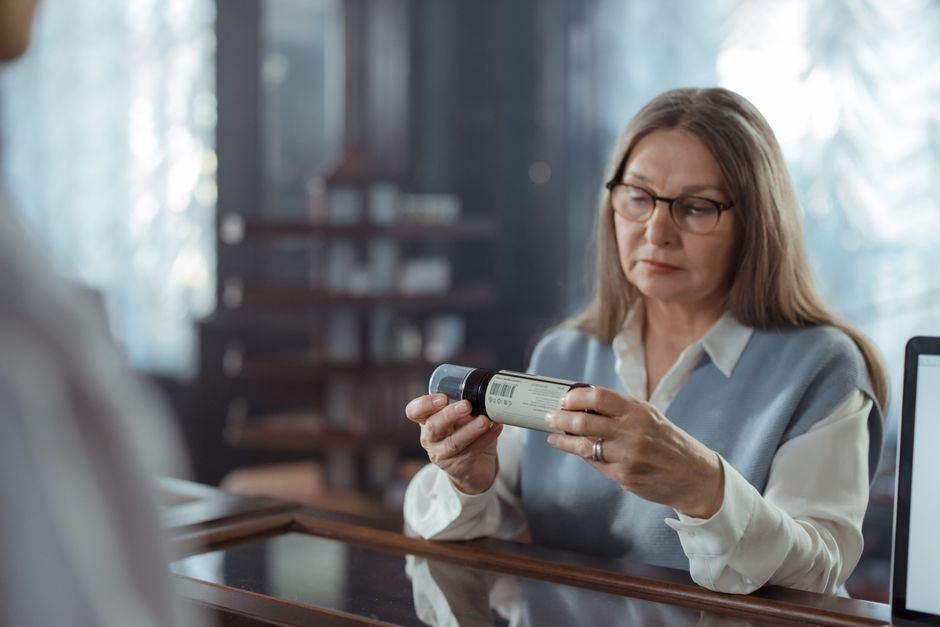
The hemorrhoid aisle at any pharmacy is one of the more overwhelming sections in the store, packed with creams, ointments, suppositories, wipes, and oral supplements that all claim to help with more or less the same problem. A pharmacist’s role in choosing the right hemorrhoid treatment is to cut through that noise with a few targeted questions rather than leaving a patient to guess between products that look nearly identical on the label.
Why The Hemorrhoid Aisle Is So Confusing
Part of what makes this section of the store hard to navigate is that so many products overlap in what they claim to do. Creams, ointments, suppositories, and wipes all promise relief from itching, burning, or discomfort, but they are built for different situations and different parts of the problem. A cream marketed for external itching and a suppository built for internal swelling can sit two inches apart on the same shelf, and nothing on the packaging makes that distinction obvious to someone who has not dealt with hemorrhoids before.
The sheer number of options adds a third layer on top of that. A typical hemorrhoid section can carry a dozen or more distinct products once every brand and formula variation is counted, and unlike a lot of other OTC categories, hemorrhoid products are not something most people research ahead of time or have a strong prior opinion about, since it is not usually a planned purchase. That combination, an unfamiliar category shopped for under discomfort and some embarrassment, is part of why a quick question at the counter tends to save more time and frustration here than in most other aisles.
Brand names add another layer of confusion, since many well-known hemorrhoid brands sell several different formulas under the same name, one with a numbing ingredient, one with a steroid, one that is just a protectant. Two boxes from the same brand can have completely different active ingredients, and a shopper grabbing based on brand recognition alone can easily end up with a product that is not suited to their actual symptom.
Packaging language does not help much either. Words like “maximum strength,” “advanced,” and “extra relief” appear across nearly every product line without a consistent meaning from one brand to the next, so two “maximum strength” products can have entirely different active ingredients at entirely different concentrations. Reading past the marketing language to the actual active ingredients listed on the drug facts panel is the only reliable way to know what a product actually contains, and even then, matching that ingredient to a specific symptom is not always obvious without some background knowledge, which is exactly the gap a short conversation at the pharmacy counter fills.
What Your Pharmacist Actually Asks Before Recommending Something
The first question a pharmacist typically asks is whether the hemorrhoid is internal, external, or both, since that single detail rules out entire categories of products. Suppositories are built to be inserted and are not appropriate for a purely external hemorrhoid, while a cream applied only externally will not reach an internal one that is causing most of the discomfort. Getting this wrong is one of the most common reasons a product feels like it is not working, when the real issue is a mismatch between the product’s form and where the hemorrhoid actually is.
How long the symptoms have lasted comes next. A flare that started in the last day or two is treated differently from one that has persisted for over a week despite appropriate home care, since the second scenario starts to raise the question of whether something beyond a typical hemorrhoid is involved. Pregnancy status matters too, since some active ingredients, particularly certain vasoconstrictors, carry specific cautions during pregnancy that a label alone may not make clear enough for a patient to catch on their own.
Other medications and health conditions round out the conversation. Someone on blood thinners, with high blood pressure, or with a history of skin sensitivity needs a different recommendation than someone without those factors, even if their hemorrhoid symptoms look identical on the surface. In South Fork Pharmacy’s experience, this is often the step that changes the recommendation entirely, since a product that would otherwise be a reasonable first choice can carry a caution that only comes up once a pharmacist actually asks.
The main symptom itself is the last piece, and patients are not always precise about it without a little prompting. “It hurts” can mean burning, sharp pain, itching, or a feeling of pressure and fullness, and each of those points toward a different active ingredient. Pharmacists tend to ask a follow-up question or two here specifically because the difference between “it itches” and “it burns” changes the recommendation meaningfully, even though both might get described the same way in casual conversation.
Matching The Product Form To The Symptom
Once the basics are established, matching the product form to the actual symptom is where a pharmacist’s recommendation gets specific. A cream or ointment is generally the right call for external itching or mild external irritation, since it stays where it is applied and is easy to control the amount used. A suppository is built for internal symptoms, dissolving after insertion to deliver medication to internal tissue that a cream cannot reach effectively.
Wipes serve a different purpose entirely, primarily hygiene and gentle cleansing after a bowel movement, with a mild soothing effect from ingredients like witch hazel, rather than functioning as a standalone treatment for pain or swelling. When oral flavonoid supplements come up in a conversation, it is usually for someone dealing with recurrent or chronic symptoms looking for something that works from the inside rather than another topical product, though the evidence for these varies by specific ingredient and a pharmacist can help set realistic expectations there.
Combination products complicate this matching process further, since a single cream might pair a numbing ingredient with a protectant, or a vasoconstrictor with an anti-itch component, aimed at addressing more than one symptom at once. These can be a reasonable choice when someone genuinely has overlapping symptoms, pain and swelling together, for example, but they are not automatically better than a single-ingredient product for someone with just one clear complaint, since more active ingredients also means more potential cautions and interactions to check.
Price is not a reliable signal for matching product to symptom either. A higher-priced combination product is not automatically more effective than a lower-priced single-ingredient one, since effectiveness depends on whether the specific ingredients match the specific symptom, not on how many ingredients or how much the tube costs. In South Fork Pharmacy’s experience, patients are sometimes surprised that the right answer for their situation is the least expensive product on the shelf, simply because it is the one built for exactly what they have.
The Real Decision Process, Symptom By Symptom
Most generic hemorrhoid articles list product categories side by side without explaining how a pharmacist actually walks through the decision in real time, and few mention a practical detail that matters to a lot of shoppers, whether these products are FSA or HSA eligible. In practice, the process is closer to a short decision tree than a product comparison chart. External itching with no significant pain usually points first to a protectant or mild astringent product, something gentle rather than medicated, unless irritation is significant enough to warrant a low-dose hydrocortisone option. External pain or burning shifts the recommendation toward a numbing ingredient like lidocaine or pramoxine. Internal symptoms redirect the conversation to a suppository rather than any topical cream. Swelling as the main complaint points toward a vasoconstrictor ingredient like phenylephrine, assuming there is no cardiovascular caution that rules it out.
On the FSA and HSA question, most OTC hemorrhoid treatment products, including creams, ointments, suppositories, and medicated wipes, are FSA and HSA eligible without needing a prescription or a letter of medical necessity, since they qualify as products for the treatment of a specific medical condition rather than general health items. That is a practical detail worth knowing before checkout, since it can shift a purchase that felt like an out-of-pocket cost onto pre-tax dollars already set aside for exactly this kind of expense.
When A Pharmacist Will Tell You To See A Doctor Instead
A pharmacist will redirect a patient to a doctor rather than recommend another OTC product when certain red flags come up. Rectal bleeding that is new, heavy, or unexplained is the clearest one, since bleeding can come from causes well beyond a typical hemorrhoid and needs to be evaluated rather than treated blindly with another cream. A hemorrhoid that has not improved after a full week of appropriate home care, a lump that appears suddenly and is very painful, or symptoms that keep returning despite consistent treatment are all situations where continuing to try OTC products on your own stops being the right move.
Fever, significant swelling that makes sitting or walking difficult, or pain that is severe rather than mild to moderate are additional signals that push a pharmacist to recommend a doctor visit rather than another OTC trial. None of these red flags are meant to cause alarm on their own, most hemorrhoid symptoms are exactly what they appear to be and do respond to appropriate OTC care, but they are the specific signs worth knowing so a genuinely different problem does not get mistaken for a routine flare and treated with the wrong approach for too long.

There is no need to guess your way through the hemorrhoid aisle at South Fork Pharmacy. Stop by 732 N Main St in Moorefield and ask the pharmacist on duty before grabbing the first box off the shelf, no appointment necessary, and the pharmacist can walk through the same questions covered here in about a minute at the counter.
Frequently Asked Questions
Do I really need to ask a pharmacist, or can I just pick something myself?
You can choose a product on your own, but a quick conversation with a pharmacist catches mismatches, like using a cream for an internal symptom, that are easy to miss otherwise. At South Fork Pharmacy, that conversation takes only a minute and does not require an appointment.
How do I know if my hemorrhoid is internal or external?
External hemorrhoids are visible or felt around the anal opening, often as a small lump, while internal hemorrhoids sit further inside and are not usually visible. If you are unsure, a pharmacist or doctor can help clarify, since the answer changes which product form actually makes sense.
Are hemorrhoid creams and suppositories FSA or HSA eligible?
Yes, most OTC hemorrhoid treatment products qualify as FSA and HSA eligible expenses without needing a prescription, since they treat a specific medical condition. Keep the receipt in case your plan requires documentation.
Can I use more than one hemorrhoid product at the same time?
Sometimes, but it depends on the specific ingredients involved and should not be assumed safe without checking. Ask your pharmacist before combining products, especially if one contains a steroid and another contains a numbing or vasoconstricting ingredient.
What if the product my pharmacist recommends doesn’t work?
If symptoms have not improved after a full week of appropriate use, that is the point to go back to the pharmacist or see a doctor rather than switching products again on your own. Persistent symptoms can sometimes indicate something beyond a typical hemorrhoid that needs a closer look.
Is it embarrassing to ask a pharmacist about hemorrhoid treatment?
It is one of the most common questions pharmacists field, and there is nothing unusual about it from the pharmacist’s side of the counter. Many people find it easier and more private than expected, especially compared to guessing alone in a crowded aisle.
Disclaimer: The information in this article is for educational purposes only and is not a substitute for professional medical advice, diagnosis, or treatment from a pharmacist or doctor. General hemorrhoid guidance provided here is not a diagnosis, and persistent, severe, or unclear symptoms should be evaluated by a doctor. If you think you may be experiencing a medical emergency, call 911 immediately. South Fork Pharmacy, Moorefield, West Virginia.