
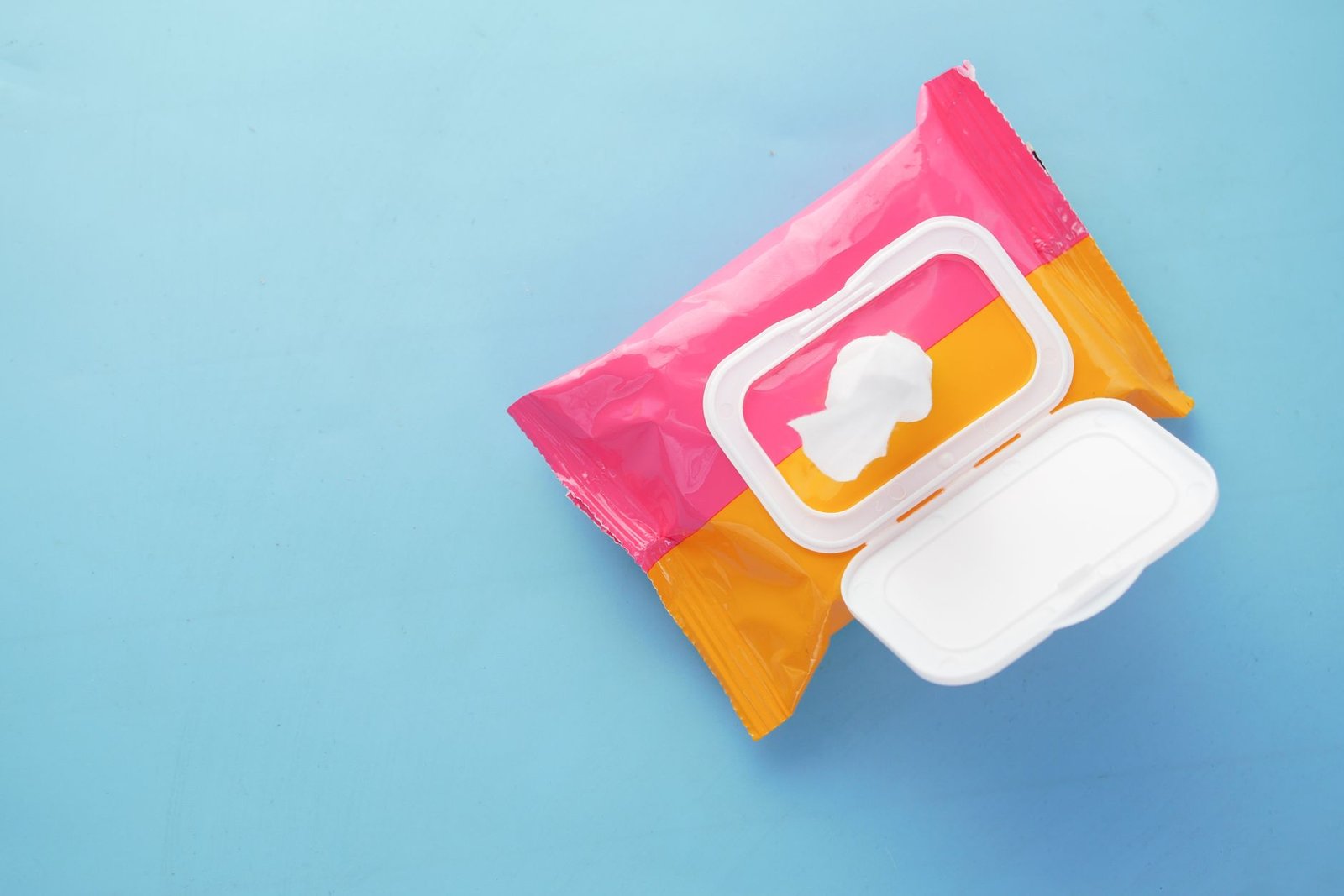
Hemorrhoid wipes are pre-moistened, individually packaged cloths, usually infused with witch hazel, aloe, or glycerin, made to gently clean the anal area and calm surface irritation after a bowel movement. They do not shrink, cure, or treat the hemorrhoid itself, they clean and soothe. Most people reach for one right after using the bathroom or whenever the area feels raw, and many use them alongside a cream or suppository rather than as a stand-alone fix.
Hemorrhoid Wipes: How It Works And When To Use It
When a hemorrhoid flare makes every trip to the bathroom uncomfortable, hemorrhoid wipes are usually the first thing people reach for, mostly because dry toilet paper drags across already-inflamed tissue and tends to make things worse instead of better. They are inexpensive, easy to find in almost any Moorefield drugstore or grocery aisle, and they solve a real problem, getting the area clean without more rubbing. Before restocking a box, it helps to know exactly what these wipes can do, what they cannot, and how they fit alongside other hemorrhoid products.
What Are Hemorrhoid Wipes
Hemorrhoid wipes, sometimes sold as haemorrhoid wipes or searched for as hemroid wipes, are individually or bulk-packaged, pre-moistened cloths built specifically for cleaning sensitive anal-area skin. Most contain witch hazel as the primary active ingredient, a plant-derived astringent long used to calm inflamed skin, often paired with aloe vera for its cooling, soothing effect or glycerin to keep the cloth soft and prevent the skin from drying out further. Some formulas add a small amount of alcohol as a preservative, though many hemorrhoid-specific brands leave it out on purpose, since alcohol can sting broken or very irritated skin.
The difference between a hemorrhoid wipe and a standard baby wipe or generic flushable bathroom wipe comes down to that active ingredient and the pH balance of the cloth itself. Baby wipes and all-purpose flushable wipes are built for general cleaning and gentleness, not for the astringent, mildly calming effect witch hazel provides on inflamed tissue. Regular dry toilet paper, meanwhile, cleans mostly through friction, which is exactly what many people with hemorrhoids find makes burning and itching worse rather than better. A hemorrhoid wipe is built to clean with less friction while adding a calming ingredient at the same time, which is the entire reason this product category exists separately from ordinary wipes.
How Hemorrhoid Wipes Work
The mechanism is fairly simple, and understanding it keeps expectations realistic. The moistened cloth does the basic cleaning work, since a damp wipe lifts residue away from irritated skin far more gently than dry paper does. Layered on top of that cleaning action, witch hazel acts as a mild astringent, meaning it causes surface tissue to contract slightly, an effect many people find reduces the sensation of itching and mild swelling on contact. Aloe vera, when included, adds a cooling, moisturizing layer that can take some of the sting out of skin that is already raw.
What hemorrhoid wipes do not do is shrink the hemorrhoid itself, address the swollen blood vessel causing the problem, or provide any anti-inflammatory effect that lasts once the wipe is gone. They are a hygiene and comfort product, not a hemorrhoid treatment, and that distinction matters. Research into witch hazel’s astringent and mildly anti-inflammatory properties helps explain why people notice a difference immediately after use, but that effect is temporary and limited to the skin surface, not the underlying tissue that makes up the hemorrhoid. Anyone expecting a wipe to make a hemorrhoid go away on its own is likely to be disappointed, anyone using it to get through a flare more comfortably is using it exactly as intended.

When And How Often To Use Them
The most useful time to use a hemorrhoid wipe is right after a bowel movement, when the area is already sensitive from wiping and often still needs cleaning that dry paper alone cannot finish. Beyond that, many people use one more time during the day if the area feels irritated, sweaty, or simply needs refreshing, particularly in warmer months or after physical activity. There is no strict medical limit on daily use for most people, though needing a wipe every time the area feels uncomfortable, more than five or six times a day, can be a sign that something beyond simple hygiene is going on and worth mentioning to a pharmacist or doctor.
Technique matters more than most people realize. The right approach is to pat or gently press the wipe against the skin rather than rubbing or dragging it, since the same friction that makes dry toilet paper uncomfortable can undo the benefit of a wipe if it is used aggressively. Folding the wipe rather than balling it up gives more control over pressure, and using a fresh section of the wipe, or a second wipe, for the last pass keeps cleaning effective without adding extra irritation on an already tender area.
Flushable Wipes And Septic Systems: What Rural Moorefield Homes Should Know
Most hemorrhoid wipes are labeled flushable, and that label is technically accurate in the sense that the wipe will pass through most toilets without an immediate clog. That is a different question from whether a septic system, the kind a large share of homes around Hardy County rely on rather than municipal sewer, can actually break the material down the way it breaks down toilet paper. Flushable wipes are manufactured to hold together longer than toilet paper so they survive packaging, shipping, and use without falling apart, and that same durability means they resist breaking down in a septic tank far more slowly than toilet paper does.
Over time, wipes that do not fully disintegrate can accumulate in a septic tank or drain field, contributing to clogs, backups, and more frequent pump-outs, the kind of plumbing problem that is expensive and disruptive to deal with in a rural home. The safer approach for anyone on a septic system, which describes a large portion of homes around Moorefield, is to treat hemorrhoid wipes like a non-flushable product regardless of what the label says, use them, then dispose of them in a small bathroom trash can rather than the toilet. This is a detail that gets skipped in a lot of general hemorrhoid-wipe guides written for a mostly city audience on municipal sewer, but it matters a great deal for anyone out here on well and septic.
Who Should Be Cautious
Fragrance is the most common reason people react to a hemorrhoid wipe, since added scent can irritate skin that is already inflamed and sensitive, sometimes producing more burning or itching than the wipe was meant to relieve. Alcohol-containing formulas carry a similar risk, particularly on broken or cracked skin, where the sting can be sharp enough that people assume the product is making things worse rather than better. Anyone with a known sensitivity to witch hazel, which is uncommon but not impossible, or a history of reacting to botanical skincare ingredients in general, should read the ingredient list before buying rather than assuming all hemorrhoid wipes are interchangeable.
Wipes alone are usually not enough when swelling, pain, or itching is more than mild. That is the point at which a topical cream or suppository containing an actual anti-inflammatory or vasoconstrictor ingredient becomes the more appropriate product, with the wipe used alongside it for cleaning rather than as the primary treatment. If a wipe causes new burning, a rash, or worsening irritation instead of relief, that is a sign to stop using that particular product and switch to a fragrance-free, alcohol-free option, or bring the question to a pharmacist.
Hemorrhoid Wipes Vs Creams And Suppositories
Each hemorrhoid product category has a different job, which is why many people end up using more than one at the same time rather than picking just one. Wipes handle cleaning and short-term surface soothing, doing their best work immediately after a bowel movement when the area needs attention but a full treatment application is not practical. Topical creams and ointments typically add an active ingredient meant to reduce swelling or numb discomfort for a longer stretch of time, applied after the area is clean, which is exactly the role a wipe sets up. Suppositories work differently still, inserted to treat internal hemorrhoid tissue that a cream or wipe applied externally simply cannot reach.
None of the three is a universal replacement for the others, and no single brand or product is being recommended over another here, the right combination depends on where the hemorrhoid is, how severe the symptoms are, and what a person finds tolerable to use day to day. A commonly used routine is to clean with a wipe after a bowel movement, then apply a cream or insert a suppository as directed on the product label. Anyone unsure which combination fits their specific symptoms can ask a pharmacist rather than guessing at the drugstore shelf.
When To See A Doctor Or Pharmacist
Most hemorrhoid flare-ups improve with home care within about a week, and a hemorrhoid wipe is a reasonable part of that home care routine. Bleeding that does not stop, that increases, or that shows up as more than a light streak on the tissue is a red flag that needs medical attention rather than more home treatment, since rectal bleeding can have causes well beyond hemorrhoids that are worth ruling out. Pain that gets worse instead of better, a hard lump that suddenly appears near the anus, or fever alongside hemorrhoid symptoms are also reasons to be seen promptly rather than waiting it out at home.
If symptoms are still present after about a week of consistent home care, including wipes, hygiene changes, and an appropriate topical product, that is a reasonable point to talk to a doctor or pharmacist about next steps rather than continuing to self-treat indefinitely. This is not about worrying over every single flare, most resolve on their own, but persistent or worsening symptoms deserve a second opinion rather than simply a bigger box of wipes.
South Fork Pharmacy keeps a full shelf of hemorrhoid wipes, creams, and suppositories from the brands Moorefield shoppers already know, and the pharmacist on duty is genuinely happy to walk through which combination fits a specific flare-up, not just point toward the aisle and move on. Stop by 732 N Main St in Moorefield, or call ahead if timing a pickup around Tuesday or Thursday delivery makes things easier.
Frequently Asked Questions
Can I use baby wipes instead of hemorrhoid wipes?
Baby wipes can work in a pinch for basic cleaning, but they are formulated for general gentleness rather than the astringent, mildly soothing effect witch hazel provides, so they will not do as much for itching or irritation during a real flare. If hemorrhoid symptoms come up often enough that keeping a dedicated product on hand makes sense, a witch hazel-based hemorrhoid wipe is the better long-term choice.
Are hemorrhoid wipes safe to flush?
The label often says flushable, and technically the wipe will pass through most toilets without immediately clogging them. On a septic system, which a large share of homes around Moorefield rely on, these wipes break down far more slowly than toilet paper and can contribute to tank or drain-field problems over time, so throwing them in the trash instead is the safer habit.
Do hemorrhoid wipes actually shrink hemorrhoids?
No, and any product that claims that should be viewed with skepticism. Hemorrhoid wipes clean the area and soothe surface irritation, but they do not reduce the swollen tissue that makes up the hemorrhoid itself, that job belongs to an anti-inflammatory cream, a suppository, or, in more stubborn cases, an in-office procedure discussed with a doctor.
Why do hemorrhoid wipes burn when I use them?
Burning usually points to a sensitivity to fragrance or alcohol in that particular formula, especially if the skin underneath is already cracked or very inflamed. Switching to a fragrance-free, alcohol-free witch hazel wipe often helps, and if burning continues even with a gentler formula, it is worth mentioning to a pharmacist at South Fork Pharmacy, since ongoing burning is not a normal reaction to a soothing product.
How many hemorrhoid wipes should I use per bowel movement?
One is usually enough if the area is well covered, but many people find using a second wipe to finish cleaning is completely normal, especially during an active flare. The main thing to avoid is repeatedly dragging the same irritated section with one wipe, using a fresh part of the wipe or a second wipe for the last pass keeps cleaning effective without adding friction.
Can I use hemorrhoid wipes every day even without a flare?
Many people do use them as part of routine hygiene without any issue, particularly after bowel movements generally, not only during a flare. If daily use starts to feel necessary because of ongoing discomfort rather than simple habit, that pattern is worth bringing up with a doctor or pharmacist, since it may point to hemorrhoids that need more than hygiene-level care.
Disclaimer: The information in this article is for educational purposes only and is not a substitute for professional medical advice, diagnosis, or treatment. Hemorrhoid wipes are an over-the-counter hygiene product and are not intended to treat, shrink, or cure hemorrhoids. Always seek the guidance of your physician, pharmacist, or other qualified health provider with any questions about a medical condition or before starting a new product, especially if you are pregnant, nursing, or managing another health condition. If you think you may be experiencing a medical emergency, call 911 immediately. South Fork Pharmacy, Moorefield, West Virginia.