
Quick Answer: Cheers is a dietary supplement built around dihydromyricetin (DHM) and L-cysteine, taken before or during drinking to try to prevent next-day hangover symptoms. Both ingredients have a plausible mechanism and some early animal research behind them, but solid, peer-reviewed human evidence that they actually prevent hangovers is still lacking. It is not FDA-evaluated for this or any claim, and there is no substitute for simply drinking less.
Cheers After Alcohol: Does This Hangover Pill Actually Work?
A pill you take before a night out that promises to spare you the next morning’s headache and nausea is an obviously appealing idea, and Cheers has become one of the more visible names selling exactly that promise. Whether the science backs it up as clearly as the marketing does is worth checking before relying on it.
This article covers what is actually in Cheers, the reasoning behind each ingredient, and what independent, non-marketing sources say about the evidence. South Fork Pharmacy in Moorefield can help you think through realistic expectations.
What Is Cheers and What Is It Used For?
Cheers is a dietary supplement, typically containing dihydromyricetin (DHM), often over 1,000 mg per dose, sourced from vine tea extract, L-cysteine, B-vitamins, and other ingredients like prickly pear or ginger extract, depending on the specific product. It is marketed to be taken before or during alcohol consumption to reduce next-day hangover symptoms. As a dietary supplement, it has not been evaluated by the FDA for this or any other health claim, and it is not a controlled substance.
How Is It Supposed to Work?
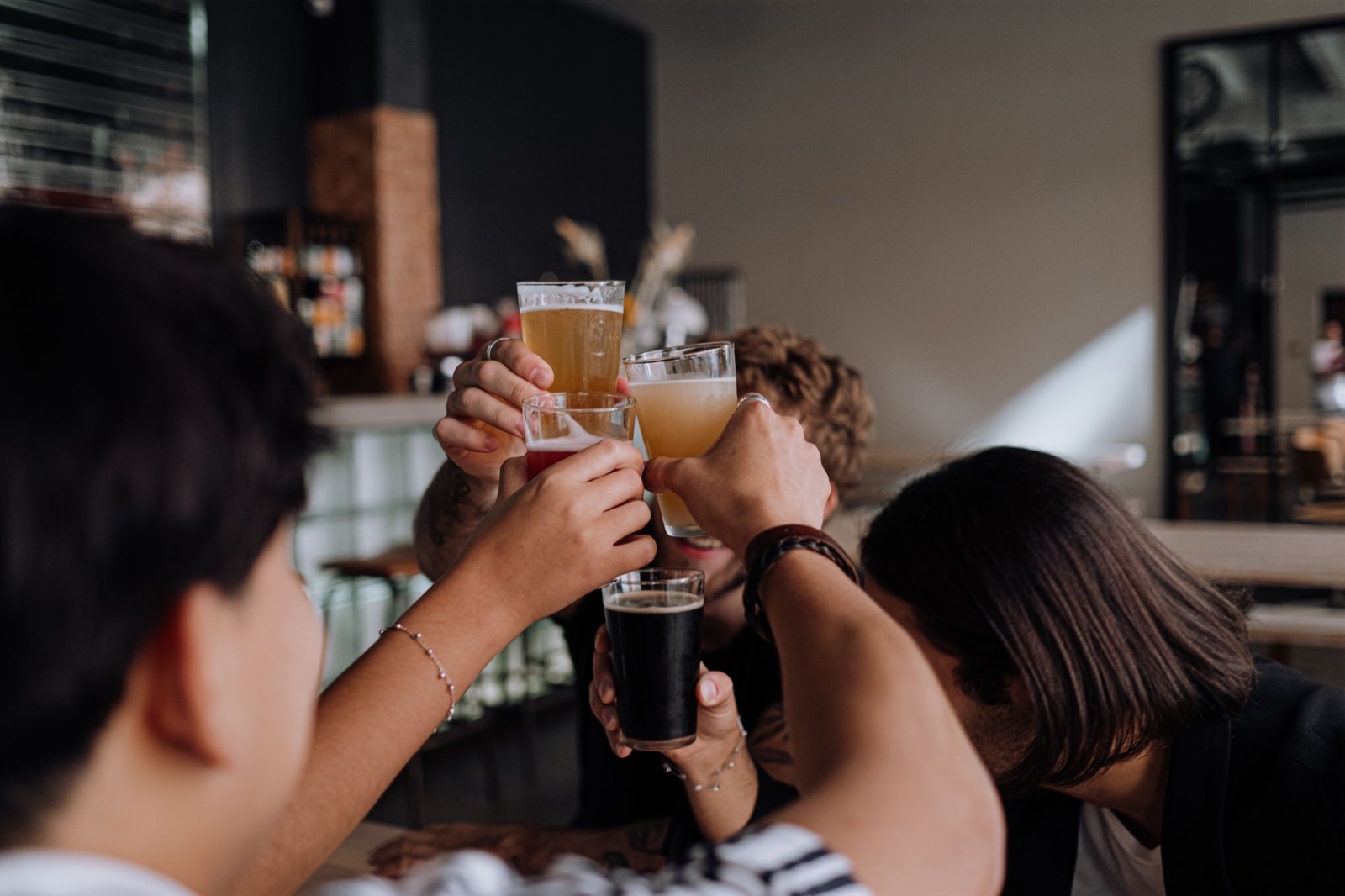
DHM is theorized to reduce the “GABA rebound” effect, a swing in brain chemistry that happens as alcohol’s calming effect on GABA receptors wears off, which is thought to contribute to hangover anxiety, headache, and poor sleep quality. L-cysteine is included with the idea that it helps neutralize acetaldehyde, a toxic byproduct your body produces while breaking down alcohol and a likely contributor to hangover symptoms. Both mechanisms are biologically plausible and supported by some laboratory and animal research, mostly in rats.
What Does the Actual Human Evidence Show?
This is where the story gets weaker. Independent reviewers, including academic groups focused specifically on evaluating health claims, have described the human evidence behind DHM for hangover prevention as thin: mostly preclinical rodent studies, plus at least one small human trial that was never peer-reviewed or formally published. As of now, there is no strong, independently verified clinical trial demonstrating that DHM or L-cysteine supplements meaningfully prevent hangovers in people. That does not prove they do nothing, but it does mean the confident marketing language outpaces what has actually been rigorously shown.
How to Take Cheers
Follow the specific product’s label directions; most hangover supplements in this category are designed to be taken before or during drinking, not the next morning after symptoms have already started, since the proposed mechanisms are about influencing how alcohol is processed and how the brain responds while it’s happening, not reversing damage after the fact.
Side Effects
Common Side Effects
Mild nausea, dizziness, dry mouth, or headache have been reported with DHM or L-cysteine individually, though these are also common hangover symptoms themselves, making it hard to distinguish supplement side effects from the alcohol’s own effects in casual use.
Serious Side Effects That Require Immediate Attention
Seek emergency care for signs of a severe allergic reaction, including facial swelling, hives, or difficulty breathing. Nothing in this supplement changes the serious risks of alcohol itself, including alcohol poisoning; a supplement is not a safeguard against drinking too much, too fast, and should never be treated as one.
Warnings and Precautions
There is no FDA boxed warning for Cheers, since it is a dietary supplement rather than an FDA-evaluated drug. DHM has been shown in laboratory studies to inhibit several liver enzymes (CYP3A4, CYP2E1, and CYP2D6) that metabolize many common medications, which means it could theoretically alter how those drugs are processed; anyone on regular prescription medications should mention any hangover supplement to their pharmacist. DHM also interacts with the same GABA receptor system that alcohol and benzodiazepine medications affect, so combining it with a benzodiazepine could have unpredictable effects. Anyone with liver impairment should be cautious, since DHM is cleared through the liver.
| Ingredient | Proposed Role | Human Evidence |
|---|---|---|
| Dihydromyricetin (DHM) | Reduces GABA rebound effect | Mostly rodent studies; limited unpublished human data |
| L-cysteine | Neutralizes acetaldehyde | Limited direct human hangover-prevention data |
Who Should Be Cautious With Cheers
Anyone with liver disease should be cautious given DHM’s liver metabolism. Anyone taking regular prescription medications, especially ones metabolized by the liver, should check with a pharmacist given DHM’s enzyme-inhibiting effects seen in laboratory studies. Anyone taking a benzodiazepine or other sedative should be particularly cautious about combining it with a DHM-containing supplement on top of alcohol. No supplement in this category should be treated as license to drink more than you otherwise would, or as a safeguard against alcohol poisoning.
Storage and Disposal
Store according to the product label, generally at room temperature away from moisture. Unused or expired supplement capsules can be discarded with household trash; there is no controlled-substance concern with this product.
Helpful Resources
- mcgill.ca — an independent academic review evaluating the evidence behind DHM-based hangover supplements.
- niaaa.nih.gov — National Institute on Alcohol Abuse and Alcoholism information on hangovers and alcohol’s effects.
- fda.gov — FDA information on how dietary supplements are regulated in the United States.
If you want a realistic read on hangover remedies, or have questions about how a supplement might interact with your medications, South Fork Pharmacy in Moorefield can help.
Frequently Asked Questions
Is there anything that actually, reliably prevents a hangover?
The most consistently effective approach remains drinking less, drinking water alongside alcohol, eating before and during drinking, and getting adequate sleep, none of which involve a supplement. No pill has strong, independently replicated human evidence of preventing hangovers outright.
Why does Cheers cite scientific studies if the evidence is weak?
The underlying ingredients do have some genuine laboratory and animal research behind their proposed mechanisms, which is real science, just not the same as strong, peer-reviewed human clinical trial evidence for the specific claim of preventing hangovers. Citing preliminary research is not the same as proving a product works as marketed.
Can I take Cheers if I’m on daily medication?
Check with a pharmacist first. DHM has shown liver enzyme interactions in laboratory studies that could theoretically affect how some medications are processed, so it’s worth a specific check rather than assuming a supplement is automatically safe to combine with your regular medications.
Does taking Cheers mean it’s safer to drink more than I normally would?
No, and this is an important point: nothing in this supplement changes alcohol’s actual effects on judgment, coordination, or the real risk of alcohol poisoning at high intake. Treat it, at most, as a minor add-on, never as permission to drink beyond your normal limits.
If the human evidence is weak, why do so many people say it works for them?
Personal anecdotes are influenced by the placebo effect, by natural variation in how hangovers feel from one night to the next, and by other factors like hydration and food intake that happened alongside taking the supplement. That is exactly why controlled, peer-reviewed human trials matter more than individual reports.
Is DHM dangerous?
Available research has not identified serious safety concerns at typical supplement doses, and no reports of lethal overdose exist, but comprehensive, well-controlled human safety studies are still limited. The liver enzyme interaction and GABA receptor overlap with alcohol are the main specific points worth being aware of.
Disclaimer: The information in this article is for educational purposes only and is not a substitute for professional medical advice, diagnosis, or treatment. This product is a dietary supplement and has not been evaluated by the FDA to diagnose, treat, cure, or prevent any condition. Always seek the guidance of your physician, pharmacist, or other qualified health provider with any questions about a supplement or medical condition. If you think you may be experiencing alcohol poisoning or a medical emergency, call 911 immediately. Product information changes regularly. Confirm current details with the manufacturer or your healthcare provider. South Fork Pharmacy, Moorefield, West Virginia.