
Quick Answer: Lidocaine 5% patch (brand name Lidoderm) is a prescription-only topical anesthetic specifically approved for nerve pain after shingles (postherpetic neuralgia). It numbs the skin and underlying nerve endings where it’s applied for up to 12 hours per patch, worn 12 hours on and 12 hours off. A used patch still contains most of its original lidocaine, so how you dispose of it matters just as much as how you use it, especially with children or pets in the house.
Lidocaine 5%: What It Numbs, How Long It Lasts, and Safety Limits
The burning, stabbing nerve pain that can linger for months after a shingles outbreak clears up is one of the more specific reasons a doctor reaches for a targeted numbing patch rather than an oral pain medication. Lidocaine 5% is built for exactly that kind of localized nerve pain, applied right over the area rather than working through the whole body.
This article covers what lidocaine 5% actually numbs, how long the effect lasts, and the safety limits that come with a prescription-strength anesthetic patch. South Fork Pharmacy in Moorefield can help you understand your specific prescription.
What Is Lidocaine 5% and What Is It Used For?
Lidocaine 5% patch, best known by the brand name Lidoderm, is a prescription-only topical local anesthetic. It is FDA-approved specifically for the relief of pain associated with postherpetic neuralgia, the lingering nerve pain that can persist in the area of a shingles rash long after the rash itself has healed. It is not the same as the lower-strength 4% lidocaine patches sold over the counter for general aches and pains. It is not a controlled substance.
How Does Lidocaine 5% Work?
Lidocaine blocks sodium channels in nerve endings, which interrupts the transmission of pain signals from the treated area to the brain. Applied as a patch directly over the painful skin, it numbs both the surface skin and the superficial nerve fibers just beneath it. Very little of the drug is absorbed into the rest of the body when used as directed, typically only around 3% of the applied dose, which is why it can be used for hours at a time with a relatively low risk of the kind of whole-body side effects seen with injected or oral local anesthetics.
How to Take Lidocaine 5%
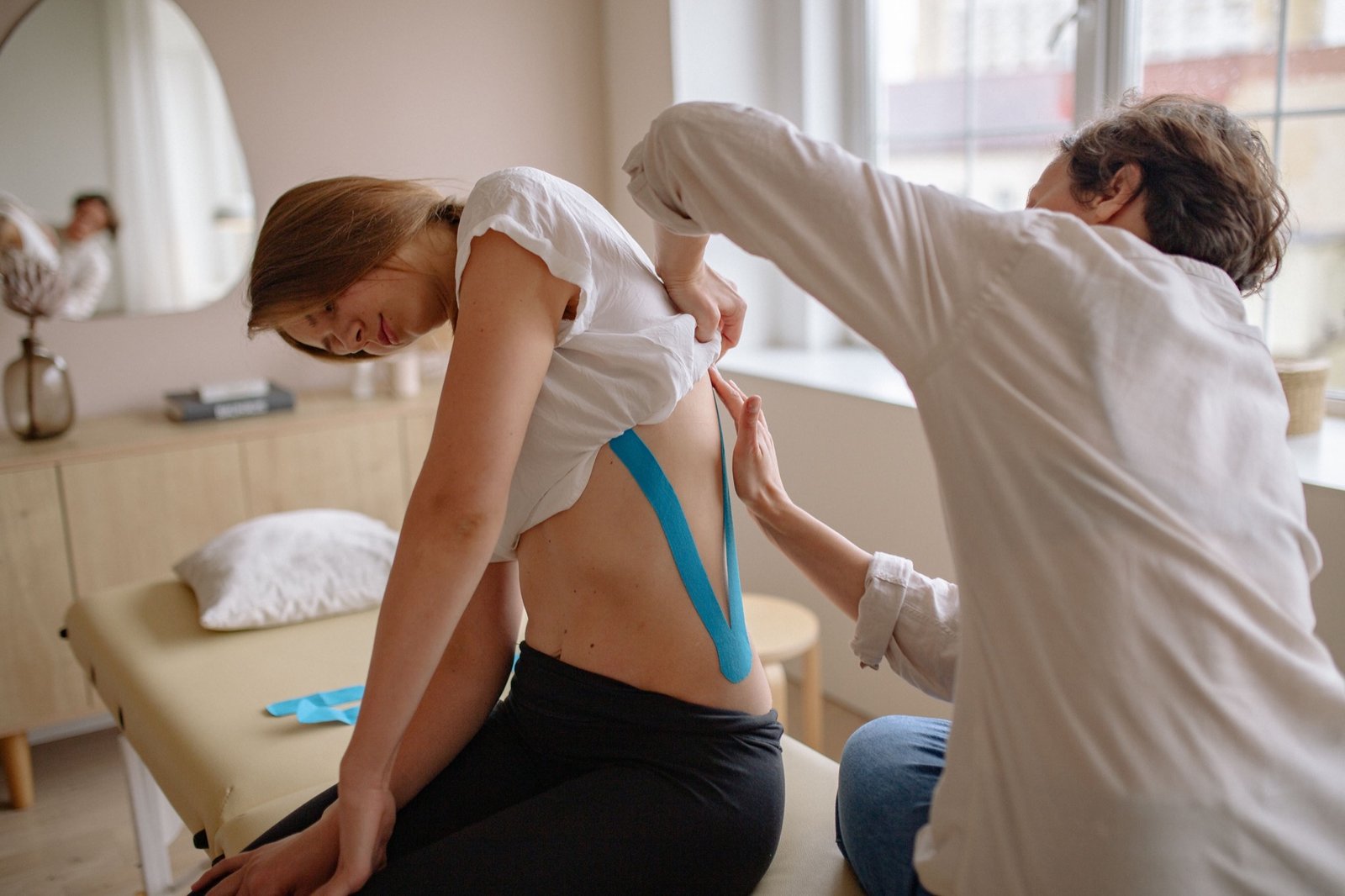
Apply up to 3 patches at one time to intact, unbroken skin over the area of pain, and wear them for up to 12 hours within a 24-hour period, followed by a 12-hour patch-free period. Patches can be cut into smaller pieces to better fit an irregular area before removing the release liner. Do not apply heat, such as a heating pad, over the patch, since heat increases how much lidocaine is absorbed. Your pharmacist or prescribing physician will determine the correct number of patches and schedule for your situation.
Side Effects
Common Side Effects
Mild redness, itching, or a burning sensation at the application site is commonly reported and usually resolves once the patch is removed. Some people notice a temporary rash-like skin reaction where the patch was worn.
Serious Side Effects That Require Immediate Attention
Call 911 for signs of a serious allergic reaction, including facial swelling, difficulty breathing, or hives. Seek emergency care for signs of lidocaine toxicity, which are rare with proper use but can include confusion, ringing in the ears, an irregular heartbeat, seizures, or difficulty breathing, particularly if too many patches are used at once or heat exposure increased absorption beyond what is expected.
Warnings and Precautions
There is no FDA boxed warning for the lidocaine 5% side effect profile itself, but the label carries a specific, serious warning about used patch disposal: even after 12 hours of wear, a used patch still contains a large amount of lidocaine, at least 665 mg. If a small child or a pet chews or swallows a new or used patch, the amount of lidocaine involved can cause serious, potentially life-threatening heart and neurological effects. Fold each used patch so the sticky side sticks to itself, and dispose of it, ideally back inside its original pouch, where children and pets cannot reach it.
Use caution and talk to your doctor if you are also taking a Class I antiarrhythmic medication such as mexiletine, since it is chemically related to lidocaine and combined use could theoretically add to the risk of toxicity. Do not use it on broken, irritated, or infected skin, and avoid applying more than the prescribed number of patches at once.
| Detail | Lidocaine 5% Patch |
|---|---|
| Prescription status | Rx only |
| Max patches at once | 3 |
| Wear time | Up to 12 hours, then 12 hours off |
| Approved use | Postherpetic neuralgia |
| Lidocaine left in a used patch | At least 665 mg |
Who Should Not Use Lidocaine 5%
Anyone with a known allergy to lidocaine or other amide-type local anesthetics should not use it. It should not be applied to broken, blistered, or infected skin. Households with young children or pets need to be especially careful with both storage of unused patches and disposal of used ones, given how much active drug remains even after a full wear cycle.
Storage and Disposal
Store lidocaine 5% patches at room temperature in their sealed pouch until use, and keep both new and used patches out of reach of children and pets. Fold each used patch sticky-side to sticky-side before throwing it away, ideally placing it back in its original pouch first for an added layer of protection. The DEA Take Back program at deadiversion.usdoj.gov/drug_disposal/takeback is also a good option for any unused patches.

Helpful Resources
- dailymed.nlm.nih.gov — the FDA-sourced prescribing label for Lidoderm (lidocaine patch 5%).
- medlineplus.gov — NIH consumer information on topical lidocaine patches.
- cdc.gov — CDC clinical overview of shingles and postherpetic neuralgia.
If you have questions about your lidocaine 5% prescription, especially around safe disposal with kids or pets at home, stop by South Fork Pharmacy in Moorefield.
Frequently Asked Questions
Is lidocaine 5% the same as the 4% patches sold at the drugstore?
No. The 4% patches sold over the counter are a lower strength intended for general minor aches and pains, while the 5% patch is prescription-only and specifically approved for postherpetic neuralgia. Do not assume they are interchangeable for your specific condition without checking with your doctor or pharmacist.
Why does a used patch still have so much lidocaine left in it?
The patch is designed to slowly release lidocaine over its 12-hour wear time, but only a small fraction of the total dose, around 3%, is actually absorbed through the skin during that time. The rest remains in the patch material itself, which is exactly why disposal technique matters as much as it does.
Can I cut a patch to fit a smaller or oddly shaped area?
Yes, patches can be cut into smaller pieces before removing the release liner to better fit an irregular treatment area, and this is a standard, label-supported practice. Cut pieces should still be disposed of with the same folding and safe-disposal precautions as a whole patch.
Is it safe to shower or exercise while wearing the patch?
Normal daily activities including showering are generally fine, but avoid applying direct heat, such as a heating pad or hot water bottle, over the patch, since heat increases how much lidocaine your body absorbs and raises the risk of side effects.
What happens if my pet chews on a used patch I forgot to dispose of properly?
This is a genuine emergency. Contact your veterinarian or an animal poison control line immediately, since the amount of lidocaine in even a used patch can cause serious health effects in a small animal. This is exactly the scenario the label’s disposal warning is meant to prevent.
How long does it take to feel the numbing effect after applying a new patch?
Most people notice some numbing effect within the first hour of application, though full benefit for nerve pain can take longer and may build with consistent, correct use over the prescribed schedule. If you are not noticing any relief after a reasonable trial period, check in with your doctor rather than adding extra patches on your own.
Disclaimer: The information in this article is for educational purposes only and is not a substitute for professional medical advice, diagnosis, or treatment. Always seek the guidance of your physician, pharmacist, or other qualified health provider with any questions about a medication or medical condition. Never disregard professional medical advice or delay seeking it because of something you have read here. If you think you may be experiencing a medical emergency, call 911 immediately. Drug information changes regularly. Confirm current prescribing information with your pharmacist or physician. South Fork Pharmacy, Moorefield, West Virginia.